Vaishali Nagar Swimming: Your Child's First Strokes
Curious about swimming lessons in Vaishali Nagar, Jaipur? This guide helps parents choose the right program, understand age-appropriate learning, and know what to look for in a quality swim class for their child.
By Champions Studio Team · Wed Apr 08 2026
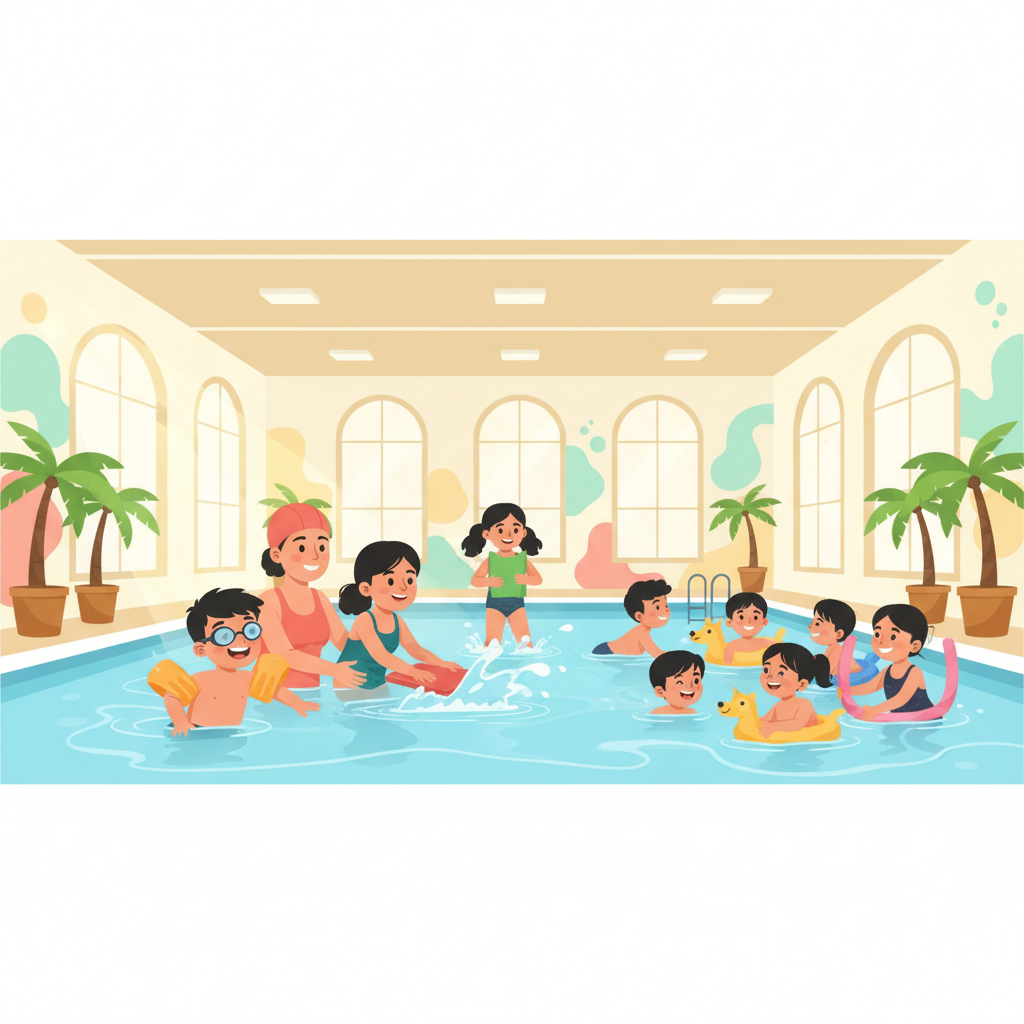
As a parent in Jaipur, especially with the summer heat, the idea of your child learning to swim isn't just about fun – it's often about safety and a valuable life skill. But navigating the options, understanding what’s truly beneficial, and ensuring your child has a positive experience can feel like a deep dive into the unknown. This guide is designed to help you make informed decisions, whether you're in Vaishali Nagar, Chitrakoot, or anywhere else in our vibrant city.
Key Takeaways
- Safety First: Prioritize certified instructors, lifeguards, and appropriate water depth.
- Developmental Readiness: Understand that true swimming lessons usually begin around age 4, but water acclimation can start much earlier.
- Look Beyond the Splash: A good program focuses on technique, confidence, and fun, not just quick results.
- Observe Before Committing: Watch a class in action to assess the environment, instructor, and child engagement.
- Benefits Beyond the Pool: Swimming boosts physical health, cognitive skills, and emotional well-being.
When is the Right Age to Start Swimming Lessons?
This is one of the most common questions from parents, and the answer isn't a simple age. It’s more about developmental readiness and what you hope to achieve. You'll hear different advice, but here's a breakdown based on child development and safety guidelines.
Water Acclimation (6 months to 3 years)
For infants and toddlers, the goal isn't to teach them to swim independently, but to get them comfortable and safe in and around water. These 'parent and tot' classes are fantastic for bonding and introducing basic water safety.
- What they learn: Getting their face wet, blowing bubbles, floating on their back with support, entering and exiting the water safely, and responding to cues like 'hold on'.
- Parent's role: You’re actively in the water with your child, providing support and encouragement. This is crucial for building trust and positive associations with water.
- Red flag: Any program promising independent swimming for this age group is misleading and potentially unsafe.
Formal Lessons (4 years and up)
Around age four, most children have developed the cognitive and motor skills necessary to learn formal swimming strokes and understand more complex instructions. This is when they can truly begin to learn to swim independently.
- What they learn: Front crawl (freestyle), backstroke, basic breath control, treading water, and more advanced water safety skills like floating for extended periods.
- Instructor's role: Guiding children through structured lessons, focusing on technique, safety, and building confidence in the water.
- Patience is key: Every child learns at their own pace. Some might pick it up quickly, others need more time. Focus on progress, not perfection.
| Age Range | Focus | Typical Duration/Session |
|---|---|---|
| 6 months - 3 years | Water Acclimation, Safety & Comfort (Parent & Tot) | 30 minutes |
| 4 - 6 years | Basic Strokes, Breath Control, Water Safety Fundamentals | 30-45 minutes |
| 7+ years | Stroke Refinement, Endurance, Advanced Safety & Diving | 45-60 minutes |
What to Look for in a Quality Swimming Class in Jaipur
Choosing a swimming program isn't just about proximity, especially if you're commuting from areas like Chitrakoot, Nirman Nagar, or Vidyadhar Nagar. The quality of instruction and the environment are paramount. Here’s what to consider:
1. Instructor Qualifications and Experience
This is non-negotiable. Your child’s safety and learning depend heavily on the instructor. Look for:
- Certifications: Are they certified in CPR, First Aid, and water safety? Do they have specific swim instructor certifications (e.g., from national aquatic bodies)?
- Experience: How long have they been teaching? Do they have experience with your child's age group?
- Teaching style: Are they patient, encouraging, and able to connect with children? A good instructor balances fun with discipline.
2. Class Size and Student-to-Instructor Ratio
Smaller class sizes mean more individualized attention. For young children (under 6), a ratio of 1:4 or 1:5 is ideal. For older children, a slightly larger ratio might be acceptable, but still ensure every child gets sufficient time and feedback.
3. Facility Safety and Cleanliness
Before enrolling, visit the facility. Pay attention to:
- Lifeguards: Are certified lifeguards present during all lesson times?
- Water quality: Is the pool clean and well-maintained? (No strong chemical smell, clear water).
- Safety equipment: Are life jackets, kickboards, and other teaching aids readily available and in good condition?
- Changing rooms & restrooms: Are they clean, well-lit, and suitable for families?
4. Curriculum and Teaching Philosophy
A good program will have a structured curriculum that progresses logically. Ask about:
- Skill progression: How do they teach different strokes? What are the benchmarks for moving to the next level?
- Focus on safety: Does the curriculum emphasize water safety techniques (e.g., 'reach or throw, don't go')?
- Fun and engagement: Do they incorporate games and activities to keep children engaged and make learning enjoyable?
"Vinayak is thriving—thanks to the incredible foundation and care he received at Champions Studio! Thank you for always nurturing not just the children but also the trust of every family who walks through your doors."
Kartikeya R Sharma (parent of Vinayak)What Does a Good Swimming Session Look Like?
When you observe a class, or even after your child's first few sessions, here’s what indicates a well-run program:
- Warm-up: The session often starts with light stretches or water games to get children comfortable and ready.
- Skill development: Instructors introduce new skills or reinforce previous ones, breaking them down into manageable steps (e.g., 'blow bubbles', then 'kick legs').
- Individual attention: Even in a group setting, instructors should circulate, offering personalized feedback and encouragement to each child.
- Positive reinforcement: Children respond best to praise and positive feedback. Look for instructors who celebrate small victories.
- Safe practice: Drills should be conducted safely, with instructors close by, especially for younger or less confident swimmers.
- Cool-down/Free play: Sometimes, a short period of supervised free play or a fun game helps end the session on a positive note.
For parents in Vaishali Nagar, you'll want to consider the commute and the temperature. A facility with a well-maintained, possibly temperature-controlled pool can make a big difference during Jaipur's hotter months or cooler winters, extending the swimming season for your child.
Red Flags to Watch Out For
Not all swimming programs are created equal. Be wary of these signs:
- Overcrowded classes: Too many children per instructor compromises safety and learning.
- Instructors who seem disengaged or impatient: Children, especially beginners, need patient and enthusiastic guidance.
- Lack of safety protocols: No visible lifeguards, inadequate safety equipment, or instructors not actively supervising.
- Unclean facilities: This can lead to health issues and an unpleasant experience.
- Promises of rapid, unrealistic progress: Learning to swim takes time and consistent practice.
✅ Your Pre-Enrolment Checklist for a Swim Class
- Visit the facility and observe a class.
- Verify instructor certifications (CPR, First Aid, Swim Instructor).
- Ask about the student-to-instructor ratio.
- Inquire about the curriculum and safety policies.
- Check for lifeguard presence during all lessons.
- Ensure the pool and changing areas are clean.
- Talk to other parents about their experiences.
- Confirm the trial lesson policy, if any.
How Swimming Benefits Your Child's Development
Beyond safety, swimming offers a wealth of developmental advantages. It's a holistic activity that nurtures a child's physical, cognitive, and emotional growth.
Physical Development
- Full-body workout: Swimming engages almost every muscle group, enhancing strength, endurance, and flexibility without impact on joints.
- Cardiovascular health: It strengthens the heart and lungs, improving stamina and overall fitness.
- Coordination and balance: The unique environment of water helps children develop better body awareness and coordination.
Cognitive Development
- Following instructions: Learning strokes requires children to listen carefully and follow a sequence of movements.
- Problem-solving: Figuring out how to move efficiently through water, adjust breathing, and maintain balance engages their problem-solving skills.
- Concentration: Focusing on technique and breath control helps improve concentration and attention span.
Emotional and Social Development
- Confidence and self-esteem: Mastering a new skill like swimming provides a huge boost to a child's confidence.
- Discipline and perseverance: Learning to swim takes practice and patience, teaching children the value of perseverance.
- Overcoming fears: For some, the initial fear of water can be significant. Successfully navigating this fear builds resilience.
- Social skills: Group lessons offer opportunities to interact with peers and learn sportsmanship.
A Common Question from Jaipur Families: What about the cost?
Parents in Vaishali Nagar, like those in Raja Park or C-Scheme, often wonder about the cost-benefit of swimming lessons. While it's an investment, consider the long-term benefits of safety, health, and confidence. Prices for swimming lessons in Jaipur can vary widely based on the facility, instructor experience, and class duration. Some centers might offer packages or discounts for longer commitments.
When comparing options, look at what’s included in the fee. Is it just the lesson, or does it include pool access, equipment, or even multiple activities? For example, some places offer multi-sport memberships where swimming is one of several activities your child can explore, which can be a great value.
FAQs: Your Questions Answered
Parents in Vaishali Nagar often wonder...
Q: How many swimming sessions does my child need to be proficient?
A: Proficiency varies greatly by child. Generally, consistent lessons (2-3 times a week) for at least 6-12 months can build foundational skills. Continued practice and advanced lessons will lead to true proficiency.
Q: What should my child bring to a swimming lesson?
A: A well-fitting swimsuit, goggles, a swimming cap (often mandatory for hygiene), a towel, and a change of clothes are essential. Some prefer earplugs or nose clips.
Q: My child is scared of water. How can I help them?
A: Start with positive experiences in shallow water, like splash pads or kiddie pools, with you present. Choose an instructor known for patience and gentle encouragement. Never force them; build comfort gradually.
Q: Are private lessons better than group lessons?
A: Private lessons offer individualized attention and can accelerate learning, especially for nervous children or those needing specific technique refinement. Group lessons, however, provide a social environment and can be more motivating for some children. Both have merits; consider your child's personality and learning style.
Q: What if my child doesn't like their swimming instructor?
A: A good rapport between child and instructor is crucial. If there's a personality clash, speak to the facility supervisor. Sometimes a different instructor or class time can make a big difference. Don't force a situation where your child is uncomfortable.
Q: What are the best times for swimming lessons in Jaipur's climate?
A: During Jaipur's intense summers, early mornings or late evenings are cooler. In winter, heated indoor pools are essential. Look for facilities that offer flexible timings to suit your schedule and the weather.
Choosing the right swimming program for your child is a significant decision. By focusing on safety, qualified instruction, and a positive learning environment, you're not just teaching them to swim; you're equipping them with a life skill that fosters confidence, discipline, and a love for water. As you explore options in Vaishali Nagar, remember that the best choice is one that feels right for your child and your family.
If you're looking for a structured, nurturing environment with certified instructors and a focus on holistic development, consider Champions Studio, opening soon in Vaishali Nagar. Our existing C-Scheme club has been a beloved space for children to learn and grow, and we're excited to bring the same quality and care to the Vaishali Nagar community. We offer a range of activities, including swimming, designed to help your child thrive. You can also register your interest for our Vaishali Nagar location to stay updated on our opening and programs.