5 Mistakes Jaipur Parents Make Choosing Swim Classes
Choosing the right swim class for your child in Jaipur is crucial. Learn common pitfalls parents face, from coach qualifications to class size, and how to pick the best fit in Malviya Nagar and beyond.
By Champions Studio Team · Fri Jul 31 2026
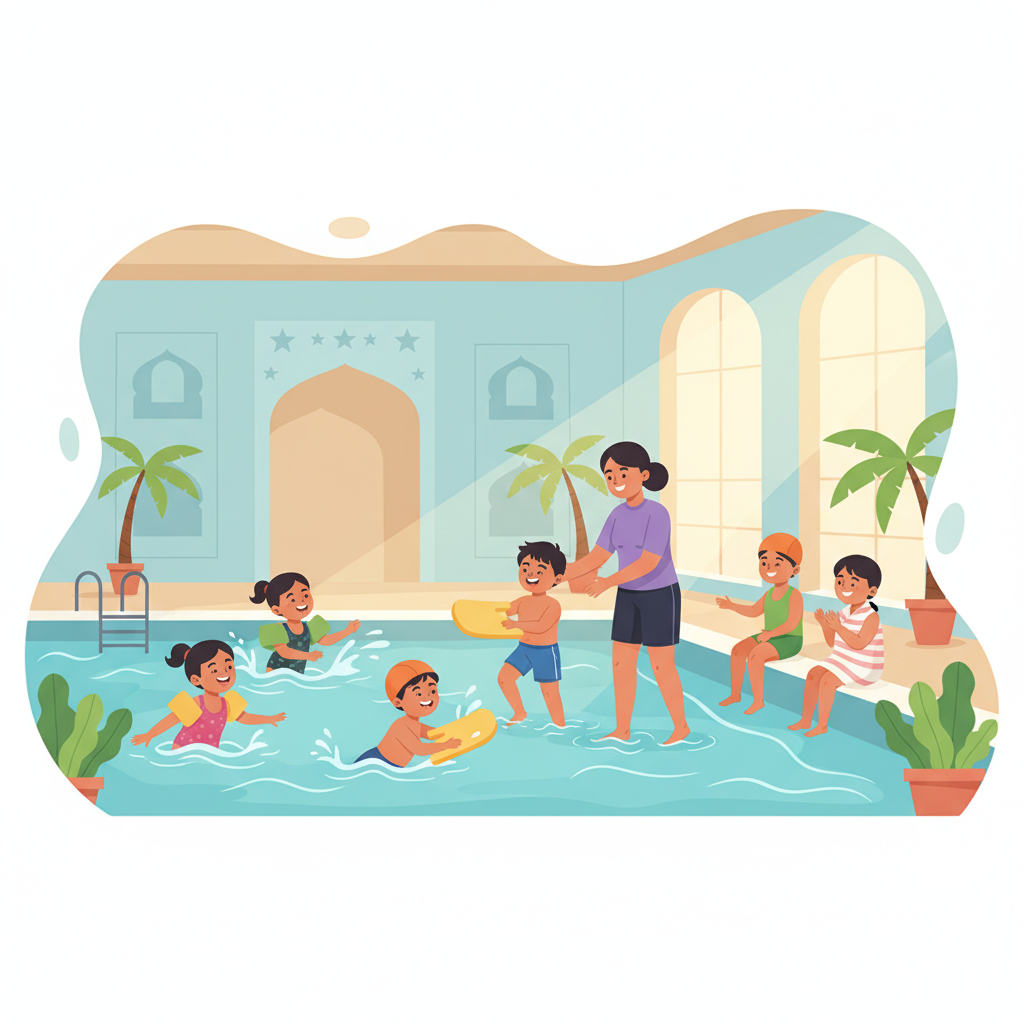
As a parent in Jaipur, the scorching summer heat often turns our thoughts to water. Swimming isn't just a fun activity; it's a vital life skill. But with so many options popping up across the city, from Jawahar Nagar to Pratap Nagar, choosing the right swimming class for your child can feel overwhelming. It's easy to get caught up in the excitement and overlook crucial details that can make all the difference in your child's learning experience and safety.
Key Takeaways
- Prioritize Qualified Coaches: Look for certified instructors, not just good swimmers.
- Mind the Class Size: Smaller classes mean more personalized attention and faster progress.
- Age-Appropriate Training: Ensure the curriculum matches your child's developmental stage.
- Focus on Safety & Hygiene: Check for lifeguards, first aid, and clean facilities.
- Manage Expectations: Learning to swim takes time and consistent effort.
Let's dive into some common mistakes parents in Jaipur often make when enrolling their children in swimming classes and, more importantly, how you can avoid them to ensure a positive and effective learning journey for your little one.
Mistake #1: Prioritizing Proximity & Price Over Coach Qualifications
It's tempting to pick the closest or cheapest option, especially with busy schedules and Jaipur's traffic. However, when it comes to swimming, the instructor's qualifications are paramount. A good swimmer isn't necessarily a good teacher.
Think about it: would you send your child to a school where the teacher hasn't been trained in education? The same logic applies here. A certified swimming instructor understands child psychology, effective teaching methodologies, and, most importantly, water safety protocols.
"Vinayak is thriving—thanks to the incredible foundation and care he received at Champions Studio! Thank you for always nurturing not just the children but also the trust of every family who walks through your doors."
Kartikeya R Sharma (parent of Vinayak)How to Avoid It:
- Ask for Certifications: Inquire about the coach's certifications (e.g., AUSTSWIM, STA, Red Cross Water Safety Instructor). These certifications indicate they've undergone rigorous training in teaching techniques and water rescue.
- Observe a Class: Before enrolling, ask if you can observe a session. Watch how the coach interacts with the children, manages the group, and addresses individual needs.
- Look for Experience with Children: Teaching adults to swim is different from teaching children. Ensure the coach has specific experience and a good rapport with kids.
Parents in Malviya Nagar, for instance, often have several local options, but taking the time to vet the coaches can prevent a frustrating and potentially unsafe experience down the line. A little extra travel time for a truly qualified coach is a worthwhile investment.
Mistake #2: Ignoring Class Size and Student-to-Coach Ratio
A common question from Jaipur families is about class size. It's easy to assume that more kids mean more fun, but in swimming, a high student-to-coach ratio can significantly hinder learning and compromise safety. Imagine a single coach trying to keep an eye on 15 energetic children in a pool. Individual feedback becomes minimal, and safety supervision is stretched thin.
Smaller classes allow for personalized attention, more practice time for each child, and quicker progress. The coach can identify specific areas where your child needs help and provide targeted guidance.
How to Avoid It:
- Inquire About Ratios: Specifically ask about the maximum number of students per coach for your child's age group. For beginners, a ratio of 1:4 or 1:5 is ideal.
- Consider Private or Semi-Private Lessons: If group classes are too large, consider investing in private or semi-private lessons, even for a short period, to build foundational skills quickly.
- Observe the Dynamic: During your observation visit (as mentioned earlier), pay attention to how much individual attention each child receives.
Facilities like the upcoming Champions Studio in Malviya Nagar or their existing C-Scheme club often emphasize smaller group sizes across all their activities, including swimming, precisely for this reason – to ensure quality instruction and safety.
Mistake #3: Overlooking Age-Appropriate Training and Curriculum
Not all swimming lessons are created equal, and what works for a 10-year-old is vastly different from what's suitable for a 3-year-old. Pushing a child into advanced techniques before they've mastered basic water comfort and safety can lead to fear and resistance.
A well-designed curriculum progresses gradually, focusing on water acclimatization, breath control, floating, and basic propulsion before moving to strokes. For younger children, lessons should be playful and incorporate games to build confidence.
| Age Group | Typical Focus | Key Milestone |
|---|---|---|
| 6 months - 3 years | Water familiarization, bubble blowing, floating with support, reaching for safety. Parent participation often encouraged. | Comfort in water, submersions, safe entry/exit. |
| 3 - 5 years | Independent floating, basic kicking, arm movements, breath control, treading water, water safety rules. | Propulsion for short distances, ability to get to side of pool. |
| 5 - 8 years | Freestyle, backstroke fundamentals, diving, longer distance swimming, stroke correction. | Basic competency in at least two strokes, increased stamina. |
How to Avoid It:
- Review the Curriculum: Ask for a detailed outline of what your child will learn at each stage. Ensure it aligns with developmental milestones.
- Prioritize Water Safety: For very young children, the primary goal should be water safety and comfort, not competitive swimming.
- Listen to Your Child: If your child is constantly anxious or resistant, the class might not be age-appropriate or the teaching style isn't a good fit.
Whether you're in Durgapura or looking for options near Tonk Road, understanding the curriculum's suitability for your child's age and comfort level is crucial for a positive experience.
Mistake #4: Neglecting Safety Protocols and Facility Hygiene
While we trust professionals with our children, it's our responsibility as parents to ensure the environment is safe and hygienic. This goes beyond just having a lifeguard on duty.
Poor water quality can lead to skin infections and other health issues. Inadequate changing facilities or slippery floors can cause accidents. Jaipur's climate means pools are heavily used, so maintenance is critical.
How to Avoid It:
- Check for Lifeguards/First Aid: Confirm that certified lifeguards are present during all swimming lessons and that staff are trained in first aid and CPR.
- Inspect the Facility: Look for clean changing rooms, non-slip surfaces, and clear pool rules. Ask about their water filtration and chemical treatment schedule.
- Emergency Procedures: Inquire about their emergency action plan. How do they handle medical emergencies or lost children?
- Observe Pool Clarity: The water should be visibly clear, allowing you to see the bottom of the pool.
✅ Your Pre-Enrolment Checklist for Safety & Hygiene
- ✅ Certified Lifeguards on duty?
- ✅ Staff trained in First Aid/CPR?
- ✅ Clean changing rooms and showers?
- ✅ Non-slip surfaces around the pool deck?
- ✅ Water visibly clear to the bottom?
- ✅ Clear emergency procedures visible?
This diligence is essential for any activity, be it swimming, skating, or even a Discovery Room session. The well-being of our children is always the top priority.
Mistake #5: Having Unrealistic Expectations for Progress
Learning to swim is a journey, not a race. Many parents expect their child to be swimming laps independently after just a few sessions. This can lead to frustration for both the child and the parent.
Every child learns at their own pace. Factors like age, prior water experience, natural aptitude, and even personality play a role. Some children will pick it up quickly, while others need more time and consistent practice.
"Thank you so much! We're very proud of Viaan 😊 Grateful for all your support and guidance. Looking forward to the next milestone! ✨"
Swati Goyal (parent of Viaan & Vayu)How to Avoid It:
- Understand the Learning Curve: Acknowledge that basic water comfort can take several weeks, and developing efficient strokes takes months, sometimes years, of consistent practice.
- Celebrate Small Victories: Focus on progress, not just the end goal. Applaud your child for blowing bubbles, putting their face in the water, or floating for a few seconds.
- Consistency is Key: Regular attendance (e.g., 2-3 times a week) yields better results than sporadic sessions. Missing classes can set back progress.
- Communicate with the Coach: Ask the coach for realistic expectations for your child's progress and how you can support them at home (e.g., practice blowing bubbles in the bathtub).
Patience is a virtue here. Just as with learning to read or ride a bicycle, swimming proficiency develops over time. The goal is to build a lifelong skill and a positive relationship with water.
Looking Ahead: Making an Informed Choice in Jaipur
Choosing the right swimming classes for your child in Jaipur is a decision that impacts their safety, confidence, and overall development. By avoiding these common mistakes, you can set them up for success.
As you explore options in areas like Malviya Nagar, Jawahar Nagar, or Durgapura, remember to prioritize quality instruction, appropriate class sizes, a suitable curriculum, robust safety measures, and realistic expectations. Taking the time to research and observe will lead to a more rewarding experience for your child.
If you're in Malviya Nagar and looking for a new hub for your child's holistic development, including swimming and a range of other activities like painting, dance, and discovery rooms, Champions Studio is opening a new facility designed with these very considerations in mind. Their approach focuses on nurturing every child's potential in a safe, engaging, and professional environment.
You can register interest for the Malviya Nagar Champions Studio to learn more about their offerings and how they address these crucial aspects of child development.
Frequently Asked Questions by Jaipur Parents
1. What's the best age to start swimming lessons in Jaipur?
Parents in Jaipur often wonder about the ideal age. While formal stroke instruction typically begins around 4-5 years, water familiarization classes can start as early as 6 months. The focus for infants and toddlers is on comfort, safety, and building a positive association with water, often with parent involvement.
2. How many swimming classes per week are ideal for children?
For consistent progress, 2-3 classes per week are often recommended. This frequency helps children retain what they've learned and build muscle memory. Even with Jaipur's busy school schedules, trying to maintain regularity is key.
3. What should I look for in a swimming pool's hygiene?
Beyond clear water, check for a visible schedule of water testing, proper chemical balance (no strong chlorine smell that makes eyes sting, which indicates improper balance), clean changing rooms, and well-maintained filtration systems. Ask about their daily cleaning routines.
4. My child is afraid of water. Will swimming classes help?
Yes, a good instructor will have strategies to help children overcome water fear gradually and patiently. Look for classes that emphasize gentle introduction, play-based learning, and building trust. Forcing a child can be counterproductive. Consistency in a supportive environment is key.
5. How long does it take for a child to learn to swim independently?
This varies greatly. Some children might be able to propel themselves short distances within a few months, while achieving basic competency in a stroke can take 6-12 months of consistent lessons. True independence and endurance take longer. It's about gradual skill acquisition and building confidence over time.
6. Are private lessons better than group classes for beginners?
For some children, especially those with significant water anxiety or specific learning needs, private lessons can provide more focused attention and faster initial progress. However, group classes also offer social interaction and peer motivation. A hybrid approach (a few private lessons followed by group classes) can work well for many families in areas like Malviya Nagar or Pratap Nagar.