Summer Screen Detox: Swapping Tablets for Chess in Jaipur
Jaipur parents, struggling with screen time this summer? Discover actionable strategies, the science behind digital detox, and how activities like chess can transform your child's holidays in 2026.
By Champions Studio Team · Wed Mar 04 2026
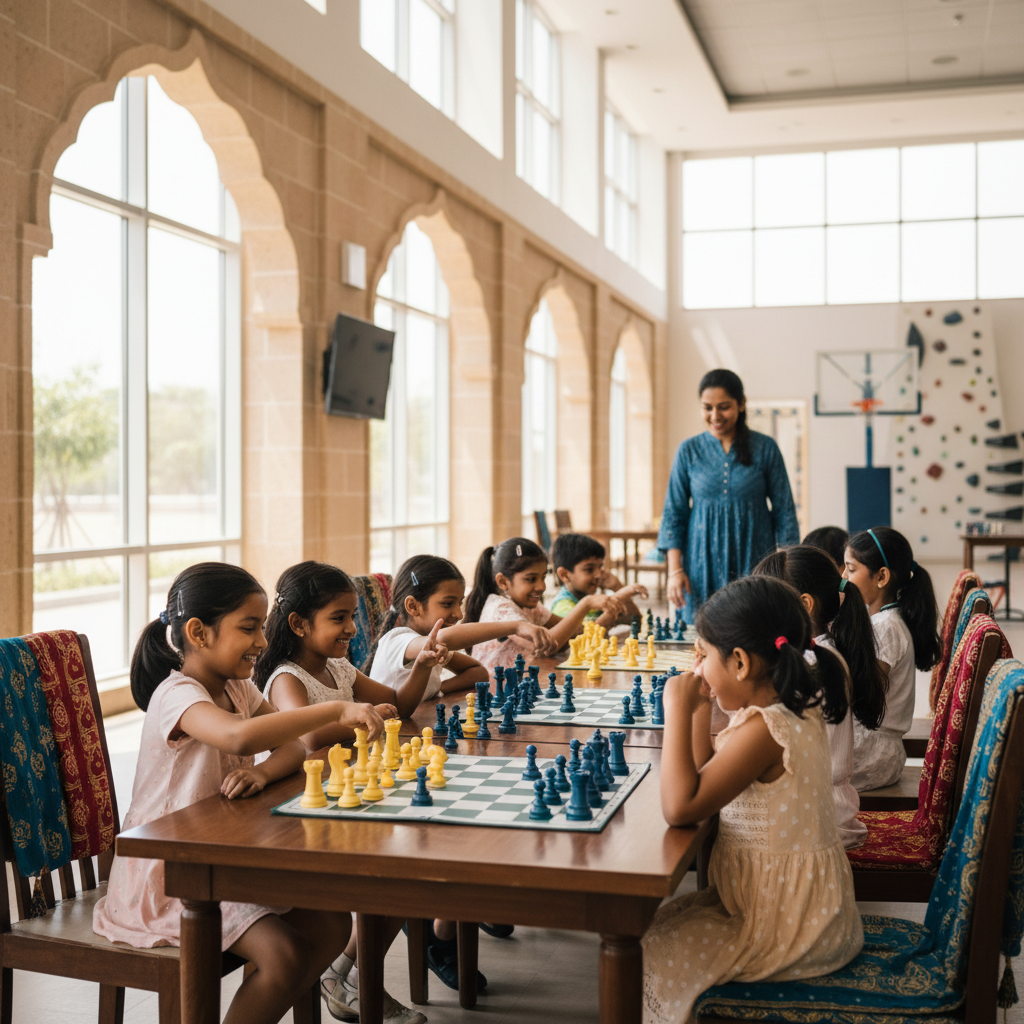
The scorching Jaipur summer arrives, and with it, a familiar challenge for many parents: the ever-present glow of screens. After the school van drops your child at 1 PM, the allure of the tablet, phone, or TV becomes almost irresistible, especially when the mercury outside is soaring. It’s a battle many of us fight daily, and during the long school holidays of May and June, it can feel like an uphill struggle against a digital tide.
Key Takeaways
- Understand the impact of excessive screen time on children's development and mental well-being.
- Implement practical, step-by-step strategies for gradually reducing screen consumption.
- Discover how engaging, indoor activities like chess can naturally replace screen habits.
- Learn about the psychological benefits of structured play and social interaction during summer.
- Find local Jaipur resources and success stories to inspire your family's screen detox journey.
The Silent Epidemic: Why Too Much Screen Time Matters
It’s easy to feel guilty about screen time, but what exactly are the experts saying? Recent research consistently links excessive screen use in children to several developmental and health concerns. The American Academy of Pediatrics, for instance, recommends limiting screen exposure, especially for younger children.
A common concern during Rajasthan summers is that outdoor play becomes impractical. This often pushes children towards indoor entertainment, and for many, that means screens. However, the problem isn't just about what they are doing, but what they aren't doing. They aren't engaging in creative play, physical activity, or face-to-face social interactions crucial for healthy development.
Studies have shown that high screen time can lead to issues with sleep patterns, attention span, and even language development in younger children. For older kids, it can impact academic performance and contribute to anxiety or social isolation. Parents in Jaipur often ask, "How can I keep my child engaged and happy indoors without relying on screens all day?" The good news is, there are effective strategies.
Weaning Off the Digital Pacifier: Practical Strategies for Jaipur Parents
A sudden, complete ban on screens is often met with resistance and can be unsustainable. The key is a gradual, thoughtful approach. Think of it as a 'digital detox' where you slowly introduce alternatives and set clear boundaries.
1. The Family Media Plan: Set Clear Expectations Together
Involve your child in creating a family media plan. Discuss when, where, and for how long screens can be used. This gives them a sense of ownership. For instance, "No screens during meals" or "Screen time only after completing one hour of non-screen activity." Write it down and put it on the fridge.
2. Designate Screen-Free Zones and Times
Identify specific areas or times in your home where screens are off-limits. Bedrooms can be good screen-free zones to protect sleep. Mealtimes are another crucial screen-free period to encourage family conversation.
3. Offer Engaging Alternatives Before Taking Screens Away
This is where the magic happens. Don't just remove the tablet; replace it with something equally, if not more, captivating. This might require a little effort from your side initially, but the rewards are immense. Think puzzles, board games, art supplies, or a good book.
4. Model Good Behavior
Children are master imitators. If they see you constantly glued to your phone, they will follow suit. Make an effort to reduce your own screen time when you're with your children. Engage in real-world activities together.
5. Leverage Structured Indoor Activities
Given Jaipur's climate, indoor, air-conditioned environments are a blessing. Enrolling your child in a structured program offers not just a screen-free activity but also social interaction, skill development, and a change of scenery. This is particularly helpful for working parents who need reliable, engaging options for their children during the day.
The Power of the Pawn: How Chess Replaces Tablets
Now, let's talk about one of the most effective screen alternatives: Chess. It might sound old-fashioned, but this ancient game is experiencing a resurgence, especially among children. And for good reason.
"Chess helps kids sharpen memory, focus, and problem-solving while teaching patience and planning. It builds confidence, encourages creativity, and nurtures strategic thinking – all invaluable skills that screens rarely foster."
Champions Studio CoachConsider a child engrossed in a chess game. They are focused, strategizing, anticipating their opponent's moves, and learning from their own. This active engagement is a stark contrast to the passive consumption often associated with screens.
Why Chess is a Summer Game-Changer for Jaipur Kids:
- Cognitive Development: Chess is a brain workout. It improves memory, concentration, critical thinking, and problem-solving skills. These are fundamental for academic success and life in general.
- Patience and Discipline: Unlike instant gratification from screens, chess teaches patience. Children learn to think several moves ahead and understand that good outcomes require careful planning.
- Emotional Intelligence: Winning and losing gracefully are important life lessons. Chess provides a safe environment to experience both, fostering resilience and sportsmanship.
- Reduced Screen Addiction: When a child is genuinely engaged in an activity like chess, the desire for screen time naturally diminishes. The brain is stimulated in a complex, rewarding way.
- Social Interaction (Even When Solo): While often played one-on-one, joining a chess club or class allows for interaction with peers and coaches. They learn to communicate, observe, and engage in healthy competition.
| Age Group | Chess Benefits | Ideal Session Duration |
|---|---|---|
| 5-7 Years | Introduces basic strategy, develops focus, encourages rule-following. | 30-45 minutes |
| 8-12 Years | Enhances complex problem-solving, strategic planning, foresight. | 45-60 minutes |
| 13+ Years | Refines advanced tactics, competitive play, deep analytical skills. | 60-90 minutes |
In Jaipur, places that offer structured chess programs can be a godsend. For example, at Champions Studio at C-Scheme, children can learn chess from experienced mentors. The environment is air-conditioned, making it a comfortable haven from the summer heat, and the structured learning helps keep kids engaged and on track. Their chess sessions are typically 60 minutes long, a perfect duration to stimulate young minds without overwhelming them.
Beyond Chess: A Spectrum of Engaging Indoor Activities
While chess is fantastic, a balanced summer includes a variety of experiences. The goal is to stimulate different parts of the brain and body. Many indoor activity centers in Jaipur understand this need and offer multi-activity programs.
For instance, consider activities like:
- Art and Painting: Engaging in Pichwai painting or other art forms nurtures creativity, fine motor skills, and self-expression. Suryanshi Bandua, a coach at Champions Studio, encourages young artists to see the world through creative eyes.
- Music: Learning an instrument or participating in music classes can boost cognitive development, emotional regulation, and even mathematical skills.
- Indoor Sports: Basketball, Badminton, or Pickleball in an indoor setting allow children to stay physically active and develop coordination and teamwork without exposure to the harsh sun.
- Fitness and Gymnastics: Essential for physical health, flexibility, and building strong bones and muscles, even for younger children (3-5 years). Roshan Sikdar makes fitness fun and accessible for kids of all ages.
- Study Zone: For those who need a quiet space to continue learning or complete summer assignments, a guided study zone can be a great alternative to unsupervised screen time. Sandhya Garg provides a calm and focused environment for this.
The key is variety. A child might spend an hour on chess, an hour on art, and an hour on an indoor sport. This multi-faceted approach ensures holistic development and keeps boredom at bay.
Success Stories from Jaipur Parents
It's inspiring to hear from parents who have successfully navigated this challenge. Vedika Kedia, a parent of Rudr, shared, "Rudr misses Champions so badly...it will always be a part of his growing up as Champions was practically his second home. Champions has a major role in shaping his early years." This highlights how a supportive environment and engaging activities can become a significant part of a child's developmental journey.
Diane Singh, another parent, noted, "Sohaam exclusively on art which we discovered his talent at your place." This underscores the potential for children to discover hidden talents when given diverse opportunities away from screens.
✅ Your Summer Screen Detox Readiness Checklist
- Have you discussed screen rules and alternatives with your child?
- Are there designated screen-free zones and times in your home?
- Have you stocked up on engaging non-screen activities (books, art supplies, board games)?
- Have you explored structured indoor programs like chess or art classes in your area (e.g., C-Scheme, Malviya Nagar)?
- Are you prepared to model healthy screen habits yourself?
- Have you set realistic goals for reducing screen time, focusing on gradual change?
FAQs: What Jaipur Parents Actually Ask
Q: What is a realistic goal for reducing screen time during summer?
A: Aim for a gradual reduction. If your child spends 4 hours daily, try reducing it to 3 hours for the first week, then 2.5 hours the next. Replacing an hour of screen time with an appealing activity is a great start.
Q: My child complains of boredom without screens. What should I do?
A: Boredom is often a catalyst for creativity! Encourage them to find their own activities, provide prompts (e.g., "Can you build a fort?"), or suggest options from your pre-prepared list of alternatives. Don't feel obligated to entertain them constantly.
Q: Are indoor camps safe in Jaipur's heat for young children?
A: Yes, reputable indoor activity centers are designed specifically for the climate. They typically have air-conditioning, filtered water, and supervised environments, making them a safe and comfortable option for kids. Always check facilities and staff credentials.
Q: What age is right to introduce chess to my child?
A: Most children can start learning the basics of chess around 5-7 years old. The focus should be on understanding the pieces and simple movements rather than complex strategies initially. Some places, like Champions Studio, offer age-appropriate coaching for different levels.
Q: How can I manage working from home and keeping my child off screens?
A: This is a significant challenge! Structured programs, like multi-activity summer camps, can be invaluable. Even a few hours at a camp can provide focused engagement for your child, allowing you dedicated work time. Also, consider creating an "activity box" with novel items that only come out during your work hours.
Q: What if my child resists all non-screen activities?
A: Persistence and consistency are key. Start small, perhaps with a "no-screen hour" each day. Make the non-screen activities appealing and varied. Sometimes, inviting a friend over for a board game or art session can make a huge difference. Remember, it's a marathon, not a sprint.
✅ Your Summer Screen Detox Readiness Checklist
- Have you discussed screen rules and alternatives with your child?
- Are there designated screen-free zones and times in your home?
- Have you stocked up on engaging non-screen activities (books, art supplies, board games)?
- Have you explored structured indoor programs like chess or art classes in your area (e.g., C-Scheme, Malviya Nagar)?
- Are you prepared to model healthy screen habits yourself?
- Have you set realistic goals for reducing screen time, focusing on gradual change?
Q: What is a realistic goal for reducing screen time during summer?
A: Aim for a gradual reduction. If your child spends 4 hours daily, try reducing it to 3 hours for the first week, then 2.5 hours the next. Replacing an hour of screen time with an appealing activity is a great start.
Q: My child complains of boredom without screens. What should I do?
A: Boredom is often a catalyst for creativity! Encourage them to find their own activities, provide prompts (e.g., "Can you build a fort?"), or suggest options from your pre-prepared list of alternatives. Don't feel obligated to entertain them constantly.
Q: Are indoor camps safe in Jaipur's heat for young children?
A: Yes, reputable indoor activity centers are designed specifically for the climate. They typically have air-conditioning, filtered water, and supervised environments, making them a safe and comfortable option for kids. Always check facilities and staff credentials.
Q: What age is right to introduce chess to my child?
A: Most children can start learning the basics of chess around 5-7 years old. The focus should be on understanding the pieces and simple movements rather than complex strategies initially. Some places, like Champions Studio, offer age-appropriate coaching for different levels.
Q: How can I manage working from home and keeping my child off screens?
A: This is a significant challenge! Structured programs, like multi-activity summer camps, can be invaluable. Even a few hours at a camp can provide focused engagement for your child, allowing you dedicated work time. Also, consider creating an "activity box" with novel items that only come out during your work hours.
Q: What if my child resists all non-screen activities?
A: Persistence and consistency are key. Start small, perhaps with a "no-screen hour" each day. Make the non-screen activities appealing and varied. Sometimes, inviting a friend over for a board game or art session can make a huge difference. Remember, it's a marathon, not a sprint.
This summer, let's empower our children to explore, create, and connect in ways that truly enrich their development. Swapping tablets for chess, or for any engaging indoor activity, isn't just about reducing screen time; it's about opening up a world of possibilities for growth, learning, and genuine joy.
If you're looking for structured, engaging indoor activities for your child in Jaipur's C-Scheme area, consider exploring the programs at Champions Studio at C-Scheme. With activities ranging from chess and art to fitness and basketball, they offer a diverse environment for children to thrive this summer. You can learn more about their offerings and coaches like Roshan Sikdar for fitness, Sandhya Garg for the Study Zone, and Suryanshi Bandua for art by visiting their website.
Book a Free Trial