Skating's Brain-Body Boost for Kids: A Jaipur Parent's Guide
Discover how skating enhances your child's development, from motor skills to confidence. This guide offers practical tips and insights for Jaipur parents.
By Champions Studio Team · Fri Aug 14 2026
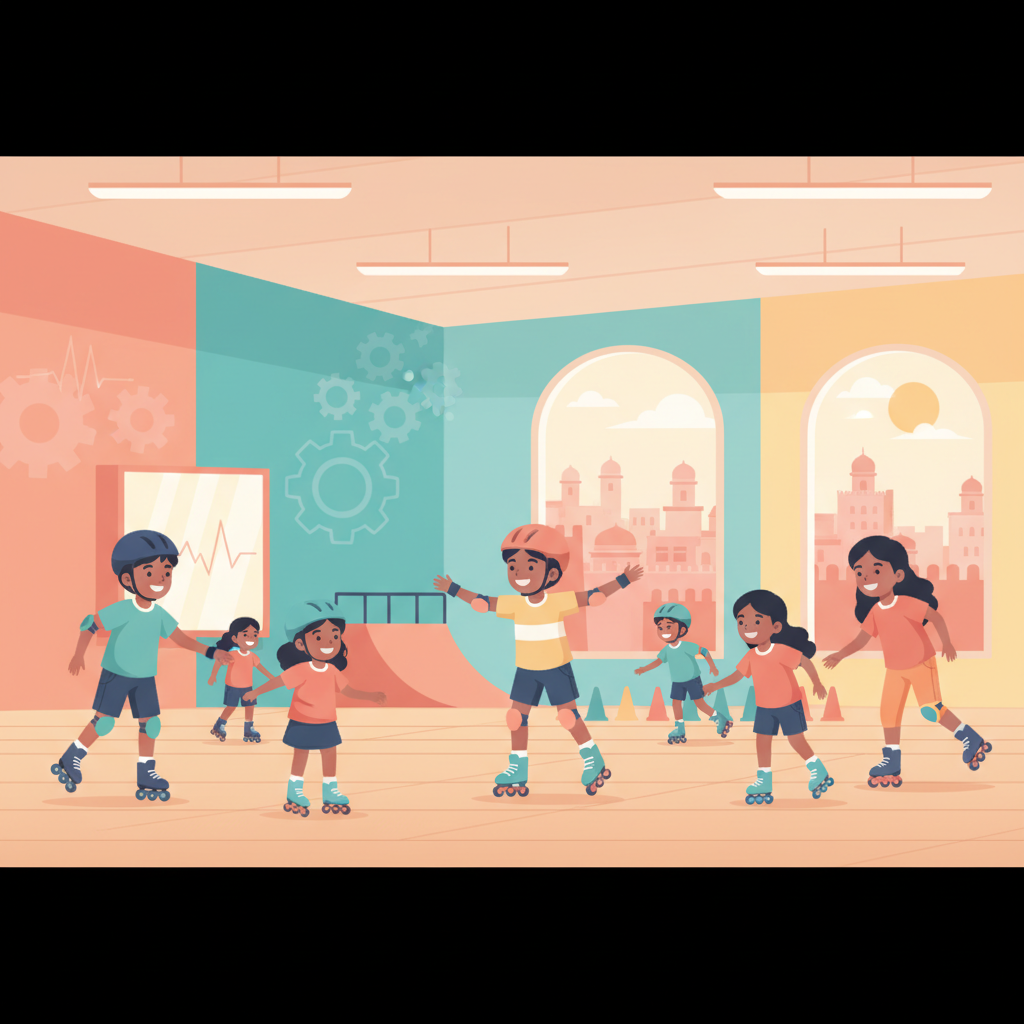
As parents in Jaipur, we’re always looking for activities that not only keep our children active but also genuinely contribute to their holistic development. The scorching summers often push us indoors, but even then, the desire for engaging, growth-oriented play remains strong. One activity that consistently delivers on both fun and developmental benefits is skating.
Beyond being a thrilling pastime, skating offers a unique blend of physical and cognitive challenges that can significantly shape a child's brain and body. It's more than just gliding; it's a dynamic workout for their balance, coordination, and even their problem-solving skills.
Key Takeaways
- Skating is a full-body workout that builds strength, balance, and coordination.
- It significantly boosts cognitive skills like focus, problem-solving, and spatial awareness.
- Introduce skating gradually, focusing on safety and fun over perfection.
- Look for structured programs that offer age-appropriate coaching and a safe environment.
- Consider factors like location (e.g., Malviya Nagar, Jawahar Nagar), coaching quality, and facility safety when choosing a class.
Why Skating is More Than Just Fun: The Developmental Edge
When your child straps on skates, they're not just moving; they're engaging a complex system of muscles and neurological pathways. This seemingly simple act is a powerhouse for development.
Building a Strong Body: Physical Benefits
Skating is a fantastic cardiovascular exercise that gets the heart pumping and strengthens major muscle groups. It's a low-impact activity, which is gentler on growing joints compared to some other high-impact sports.
- Balance and Core Strength: Every push and glide requires constant micro-adjustments to maintain equilibrium. This strengthens the core muscles, which are fundamental for all physical activities and good posture.
- Coordination and Agility: Skating demands precise coordination between the eyes, hands, and feet. Children learn to move different body parts simultaneously and adapt quickly to changes in direction or surface.
- Leg Strength and Endurance: The repetitive motion of skating builds powerful leg muscles, crucial for running, jumping, and overall athletic performance. Their stamina will noticeably improve over time.
Sharpening the Mind: Cognitive Benefits
The physical act of skating goes hand-in-hand with significant cognitive development. It's not just about muscle memory; it's about active thinking and problem-solving.
- Focus and Concentration: Staying upright and navigating a space requires intense focus. Children learn to tune out distractions and concentrate on the task at hand, a skill transferable to academics.
- Spatial Awareness: Understanding where their body is in relation to other objects and people, and planning their movements accordingly, is key in skating. This develops crucial spatial reasoning skills.
- Problem-Solving: Falling, getting up, figuring out how to turn, or avoiding obstacles – these are all mini-problems children solve in real-time. It fosters resilience and adaptive thinking.
- Memory: Remembering sequences of movements, how to stop, or how to recover from a wobble strengthens procedural memory.
"Skating isn't just about movement; it's a masterclass in dynamic balance and proprioception. Children learn to listen to their bodies and adapt, building neural pathways that benefit all aspects of their physical and cognitive development."
Dr. Priya Sharma, Pediatric Physiotherapist, JaipurWhen Can Your Child Start Skating? Age-Appropriate Expectations
There's no single 'perfect' age to start skating, as every child develops at their own pace. However, there are general guidelines to help you introduce it safely and effectively.
| Age Group | Key Developmental Milestones | Skating Introduction & Focus |
|---|---|---|
| 3-4 Years | Developing gross motor skills, good walking balance, beginning to hop. | Focus on balance bikes (pre-skates), very short sessions with support, wearing protective gear. Prioritize fun over skill. |
| 5-6 Years | Improved balance, coordination, ability to follow multi-step instructions. | Begin with quad skates for stability. Emphasis on standing, pushing, gliding, and falling safely. Short, frequent sessions are best. |
| 7-9 Years | Enhanced motor skills, better body awareness, increased endurance. | Can transition to inline skates if comfortable. Focus on stopping, turning, basic crossovers, and navigating obstacles. Introduction to group classes. |
| 10+ Years | Refined motor skills, strength, strategic thinking. | Advanced techniques, speed, endurance, and possibly competitive aspects. Can explore different skating styles. |
Tips for Early Introduction
- Start with Safety Gear: Always, and we mean ALWAYS, ensure your child wears a helmet, knee pads, elbow pads, and wrist guards. This builds good habits from day one.
- Begin Indoors or on Smooth Surfaces: A carpeted floor or a very smooth, flat, safe indoor space (like a community hall or a dedicated skating rink) is ideal for beginners.
- Provide Support: Hold their hands, use a walking aid, or let them hold onto a wall. Gradually reduce support as they gain confidence.
- Make it Fun: Keep sessions short, positive, and playful. Celebrate small victories like standing independently or taking a single glide.
Choosing the Right Skating Program in Jaipur
Once your child shows interest, enrolling them in a structured program can provide expert guidance and a safe learning environment. For parents in areas like Malviya Nagar, Jawahar Nagar, Tonk Road, Pratap Nagar, or Durgapura, accessibility to quality coaching is a key consideration.
✅ Your Pre-Enrolment Checklist for Skating Classes
- Safety First: Does the facility prioritize safety? Are helmets and protective gear mandatory? Is the skating surface well-maintained?
- Coach Qualification: Are the coaches experienced, certified, and good with children? Do they focus on technique and safety?
- Batch Size: Smaller class sizes often mean more personalized attention for your child.
- Curriculum: Does the program have a structured progression, starting from basics and moving to advanced skills?
- Location and Timing: Is it conveniently located for your family's routine, especially if you're commuting from nearby areas like Malviya Nagar or Pratap Nagar? Are the timings flexible enough?
- Trial Class: Can your child try a class before committing? This helps assess their interest and comfort with the environment.
- Hygiene and Facilities: Is the overall environment clean and well-maintained?
A common question from Jaipur families is about finding a place that balances quality coaching with a stimulating environment. When you're assessing options, consider places that offer more than just skating. A multi-activity center can provide a broader developmental experience.
For instance, Champions Studio, with its existing C-Scheme club, is known for its diverse offerings beyond just skating. They provide a comprehensive approach to child development, integrating activities like painting, dance, and even a study zone alongside sports like skating and soccer. This holistic model ensures children are not just physically active but also creatively and academically engaged.
"Rudr misses Champions so badly...it will always be a part of his growing up as Champions was practically his second home. Champions has a major role in shaping his early years and wish we could have continued there further."
Vedika Kedia (parent of Rudr)Their approach, which focuses on nurturing various talents, aligns well with the idea of providing a balanced developmental path. This kind of environment can be particularly beneficial for children who might want to explore different passions alongside their primary interest in skating.
Practical Tips for Parents at Home
Even if your child is enrolled in a class, there's plenty you can do at home to support their skating journey and overall development.
- Encourage Core Strengthening: Simple exercises like planks (even modified ones), superman poses, and animal walks (bear crawls, crab walks) build the core strength essential for skating.
- Practice Balance: Standing on one foot, walking on a line, or using a balance board can significantly improve their equilibrium.
- Play Movement Games: Games like 'Simon Says' or 'Red Light, Green Light' that involve quick changes in movement and direction enhance coordination and reaction time.
- Watch and Learn: Watch skating videos together, cheer on professional skaters, and discuss the techniques. This can inspire and educate your child.
- Be Patient and Positive: Learning to skate involves falls and frustrations. Your encouragement and patience are the biggest motivators. Focus on effort, not just outcomes.
FAQs: What Jaipur Parents Ask About Kids' Skating
Q1: Is skating safe for young children in Malviya Nagar?
A: Yes, skating is safe for young children when proper safety precautions are taken. This includes wearing a helmet, knee pads, elbow pads, and wrist guards at all times. Choosing a well-maintained, smooth surface and opting for professional coaching in a controlled environment (like an indoor rink) significantly reduces risks.
Q2: What's the best type of skates for beginners? Quad or Inline?
A: For very young beginners (3-6 years), quad skates (four wheels in a two-by-two configuration) often offer more stability due to their wider base. As children gain confidence and develop better balance (typically around 7-8 years), they can transition to inline skates (wheels in a single line) for speed and maneuverability. Many programs start with quads and progress to inline.
Q3: How often should my child practice skating?
A: Consistency is key, but overdoing it can lead to burnout. For beginners, 2-3 sessions per week, each lasting 30-45 minutes, is a good starting point. As they get older and more proficient, they might enjoy longer or more frequent sessions. Listen to your child's cues and ensure it remains an enjoyable activity.
Q4: My child is hesitant to try skating. What should I do?
A: Don't force it. Start by letting them watch others skate, or try on the protective gear at home to get comfortable. Begin with very short, playful sessions, focusing on just standing or taking tiny steps with lots of support. Emphasize that falling is part of learning and celebrate every small achievement. A good coach can also work wonders in building confidence.
Q5: Are there any specific skating facilities or clubs in Malviya Nagar?
A: Parents in Malviya Nagar, and surrounding areas like Jawahar Nagar, often look for convenient and high-quality options. While specific independent facilities might vary, multi-activity centers often include skating in their programs. It's always a good idea to check local community centers, sports academies, and dedicated children's clubs in your area for skating options.
Q6: Does skating help with focus for schoolwork?
A: Absolutely! Skating demands high levels of concentration, spatial awareness, and quick decision-making. These cognitive skills, honed on the rink, are highly transferable to academic tasks. Children who engage in complex physical activities often show improved attention spans and problem-solving abilities in other areas of their lives.
Skating offers a fantastic pathway for your child's development, building physical prowess, mental agility, and unwavering confidence. It’s an investment in their health, happiness, and future.
If you're a parent in Malviya Nagar, or from nearby areas like Durgapura or Pratap Nagar, and you're looking for a comprehensive development program that includes skating, you might be interested to know that Champions Studio is opening a new club in Malviya Nagar soon. You can register your interest here to learn more about their diverse activities, including Skating, Painting, Dance, and much more, designed to nurture well-rounded children.