Kids' Yoga & Mindfulness: Jaipur Summer 2026 Benefits
Discover how kids' yoga and mindfulness can transform your child's summer in Jaipur, boosting focus, calm, and physical health amidst the heat.
By Champions Studio Team · Sun Jun 21 2026
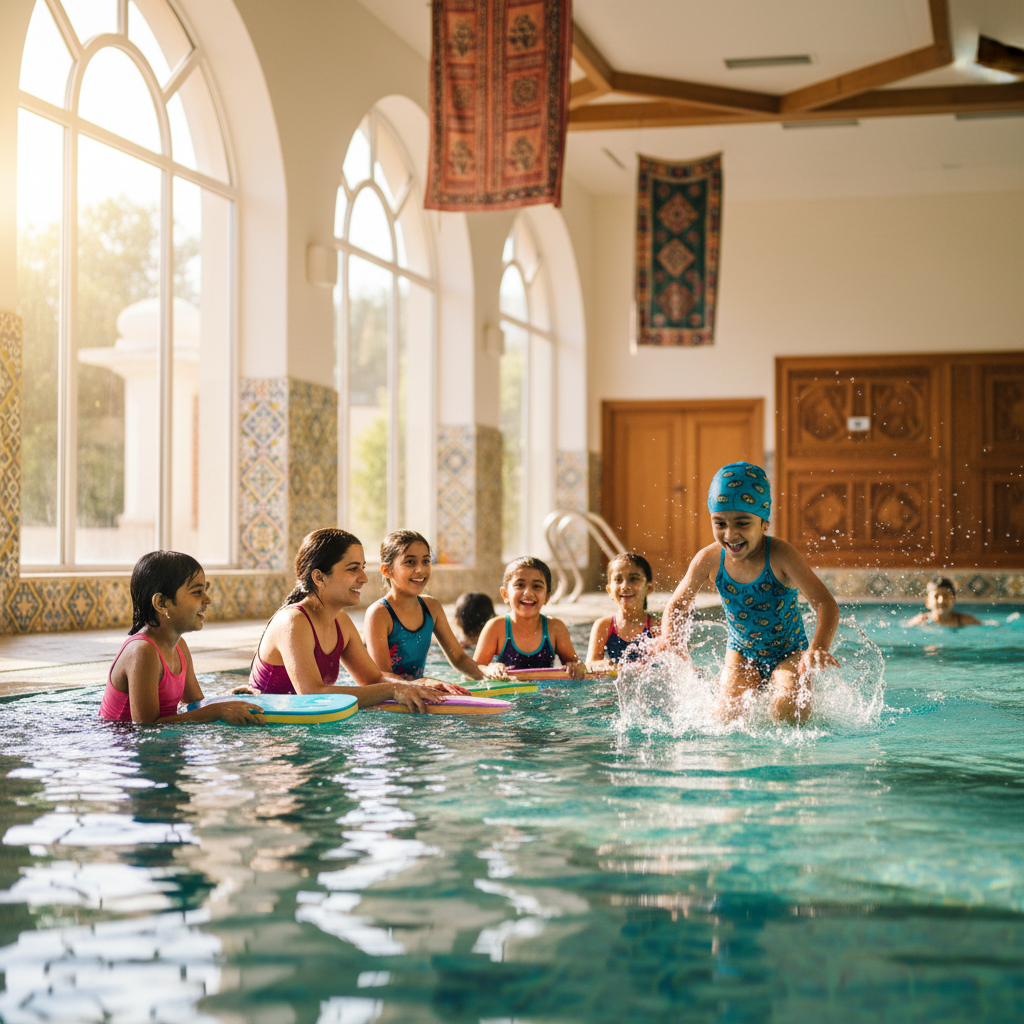
As the Jaipur summer of 2026 approaches, bringing with it the familiar warmth and the promise of endless school-free days, many parents face a common dilemma: how to keep young minds engaged and bodies active without succumbing to the heat or excessive screen time. After the school van drops your child at 1 PM, and the mercury begins its climb, finding enriching indoor activities becomes a priority. While sports camps and art classes are popular, there's a growing understanding of an activity often associated with adults but profoundly beneficial for children: yoga and mindfulness.
Key Takeaways
- Kids' yoga offers more than just physical exercise; it's a powerful tool for developing emotional regulation and cognitive skills.
- Age-appropriate yoga introduces mindfulness through playful poses and engaging stories, making it accessible and fun for children.
- Regular practice can significantly improve attention span, reduce stress from academic pressure, and enhance physical well-being.
- Combining yoga with active sports creates a balanced summer program, promoting both physical strength and mental calm.
- Look for indoor, air-conditioned facilities in Jaipur to ensure safety and comfort during the intense summer heat.
Beyond the Mat: Why Kids in Jaipur Need Yoga & Mindfulness This Summer
Parents in Jaipur often ask, "Isn't yoga just for adults?" The answer is a resounding no. Children, especially in today's fast-paced world, can benefit immensely from the practices of yoga and mindfulness. It's not about mastering complex poses, but about learning to connect with their bodies, manage emotions, and develop crucial life skills in a fun, accessible way.
During the scorching months of April to June, when temperatures can soar to 47°C, indoor activities are essential. Yoga provides a calm, air-conditioned haven where children can move, stretch, and breathe without exposure to the harsh sun. This makes it an ideal component for any thoughtful Jaipur summer plan.
Age-Appropriate Yoga: Making Mindfulness Playful
The beauty of children's yoga lies in its adaptability. It's not about quiet meditation sessions for toddlers or headstands for preschoolers. Instead, it weaves storytelling, games, and animal poses into an engaging narrative that captures a child's imagination.
For Our Youngest Yogis (Ages 3-5): Playful Exploration
For children aged 3 to 5, yoga is all about exploration and imitation. Poses become animal sounds and movements – 'downward dog' is a barking dog, 'cat-cow' is a stretching feline, and 'tree pose' is a strong, growing plant. The focus is on gross motor skill development, balance, and body awareness. Short, guided meditations might involve imagining a favourite colour or a happy place, helping them learn to focus their minds for brief periods.
| Age Group | Yoga & Mindfulness Approach | Key Benefits |
|---|---|---|
| 3-5 Years | Storytelling, animal poses, short breathing exercises, sensory play | Gross motor skills, balance, body awareness, early emotional vocabulary |
| 6-8 Years | Themed adventures, partner poses, simple sequences, guided visualizations | Improved concentration, emotional regulation, flexibility, self-confidence |
| 9-12 Years | Challenging poses, breathwork techniques, journaling, understanding emotions | Stress reduction, enhanced focus, self-awareness, academic support |
Elementary Explorers (Ages 6-8): Building Focus
Children in the 6-8 age bracket are ready for more structured sequences. Yoga sessions can become themed adventures – a 'journey to the jungle' where they encounter various animal poses, or a 'space mission' with astronaut and rocket poses. This age group benefits from learning simple breathing techniques, like 'belly breathing,' which can be a powerful tool for calming down when feeling overwhelmed. Partner poses also introduce concepts of cooperation and trust.
Pre-Teens (Ages 9-12): Navigating Academic & Social Pressures
For pre-teens, yoga and mindfulness offer invaluable tools for navigating the increasing academic and social pressures. This age group can engage in more complex poses, longer meditation practices, and discussions about how mindfulness helps with stress, anxiety, and improving focus for schoolwork. Introducing gratitude practices or journaling can further deepen their self-awareness.
Attention Regulation: A Superpower for Growing Minds
A common concern during Rajasthan summers is the struggle to keep children engaged in productive activities and away from screens. Yoga and mindfulness directly address this by cultivating attention regulation – the ability to focus and sustain attention, and to shift it appropriately. In a world of constant digital stimulation, this skill is more valuable than ever.
"Vinayak is thriving—thanks to the incredible foundation and care he received at Champions Studio! Thank you for always nurturing not just the children but also the trust of every family who walks through your doors."
Kartikeya R Sharma (parent of Vinayak)Through focused breathing exercises, children learn to bring their attention to a single point. Poses require concentration to maintain balance and alignment. These practices build 'attention muscles' that translate directly into better focus in the classroom, improved listening skills, and enhanced problem-solving abilities. Parents often observe a noticeable difference in their child's ability to concentrate after consistent yoga practice.
Yoga for Academic Pressure: A Calming Anchor
Even during summer holidays, the shadow of academic pressure often looms. Children might worry about the next grade, upcoming exams, or simply the transition back to school. Mindfulness techniques, such as body scans or mindful breathing, teach children how to observe their thoughts and feelings without judgment, reducing the grip of anxiety.
Regular yoga practice can:
- Reduce Test Anxiety: "Mindful Minute" breaks before or during study sessions can help children calm their nerves.
- Improve Memory & Cognitive Function: Studies suggest that mindfulness practices can enhance parts of the brain responsible for memory and learning.
- Boost Self-Confidence: Mastering new poses and breathing techniques gives children a sense of accomplishment and resilience.
- Enhance Sleep Quality: A calm mind and relaxed body lead to better, more restorative sleep, which is crucial for academic performance and overall well-being.
The Perfect Blend: Combining Yoga with Active Sports
While yoga brings calm and focus, children also need outlets for their boundless energy. The ideal summer program often combines stillness with dynamic movement. Imagine your child starting their day with an invigorating swimming session to beat the heat, followed by a calming yoga class. Or perhaps a high-energy basketball game in the afternoon, balanced by a mindful yoga practice to wind down.
Combining yoga with sports like Basketball, Skating, or Pickleball offers a holistic approach to child development. Yoga improves flexibility, balance, and strength – all crucial for athletic performance and injury prevention. It also teaches body awareness, helping young athletes understand their physical limits and recover more effectively.
✅ Summer Program Integration Checklist
- Morning Energy Boost: Consider a vigorous activity like swimming or soccer in the cooler morning hours (e.g., 9-11 AM slots).
- Mid-Day Calm: Schedule yoga or mindfulness sessions during the peak heat (e.g., 11 AM - 3 PM) in an air-conditioned environment.
- Late Afternoon Fun: If temperatures allow, or in an indoor facility, a basketball or pickleball session can provide a burst of energy.
- Flexibility & Recovery: Ensure yoga is integrated 2-3 times a week to support physical activity and mental well-being.
- Screen-Free Zones: Designate specific times for screen-free engagement, with yoga and creative arts as compelling alternatives.
For parents in areas like C-Scheme, Malviya Nagar, or Vaishali Nagar looking for comprehensive indoor options, facilities that offer a range of activities under one roof are a boon. This eliminates the logistical headache of transporting children across the city in the heat.
Finding the Right Fit in Jaipur: What to Look For
When searching for a kids' yoga or mindfulness program in Jaipur for Summer 2026, consider these factors:
- Certified Instructors: Ensure teachers are trained specifically in children's yoga and understand child development. For example, a coach like Roshan Sikdar can make fitness fun and accessible, which is a great foundation for yoga.
- Age-Appropriate Curriculum: The program should be tailored to your child's age group, as discussed above.
- Indoor, Air-Conditioned Environment: This is non-negotiable for summer in Jaipur. Safety from heatstroke is paramount.
- Small Class Sizes: Allows for individual attention and a more personalized experience.
- Trial Classes: Many centres offer trial classes, allowing your child to experience it before committing.
In Jaipur, places like Champions Studio at C-Scheme offer dedicated Fitness programs that include elements of body awareness and controlled movement, which are excellent precursors or complements to a yoga practice. While they may not explicitly brand it as 'yoga,' the developmental benefits align closely.
FAQ: Parents in Jaipur Often Ask...
Q: What age is right for children to start yoga?
A: Children can start as early as 3 years old with playful, age-appropriate sessions. The focus for younger children is on basic movement, balance, and body awareness, often through storytelling and animal poses.
Q: Are indoor camps safe during Jaipur's summer heat?
A: Absolutely, provided they are in well-maintained, air-conditioned facilities. Reputable centres prioritize child safety, ensuring proper ventilation and cool temperatures, making indoor activities like yoga an excellent choice to avoid the outdoor heat.
Q: How does yoga help with screen time reduction?
A: Yoga provides an engaging, active, and screen-free alternative that fulfills a child's need for stimulation and connection. By offering a compelling activity, it naturally reduces the appeal of digital devices.
Q: My child is very energetic, will they sit still for yoga?
A: Kids' yoga is rarely about sitting still for long periods. It incorporates dynamic movement, games, and imaginative play to keep high-energy children engaged. The 'stillness' comes in short bursts and builds over time.
Q: Can yoga improve my child's academic performance?
A: Yes, indirectly. Yoga and mindfulness enhance attention, focus, memory, and emotional regulation, all of which are foundational for academic success. It also equips children with tools to manage stress and anxiety related to school.
Q: What if my child isn't flexible?
A: Flexibility is a benefit of yoga, not a prerequisite. Children naturally have varying levels of flexibility, and a good instructor will encourage them to work within their own comfort, focusing on movement and breath rather than extreme poses.
Embracing a Balanced Summer
This Summer 2026 in Jaipur, let's look beyond the traditional summer camp offerings and consider the profound, lasting benefits of introducing children to yoga and mindfulness. It's an investment in their emotional resilience, their physical health, and their ability to navigate a complex world with greater calm and focus.
Whether your child is a budding athlete, a creative spirit, or simply needs a bit more calm in their day, yoga offers something for everyone. By combining it with other enriching activities, you can craft a summer that is both exciting and deeply nurturing.
For parents exploring multi-activity options in C-Scheme, you might find programs that weave in elements of physical literacy and conscious movement, providing a foundation similar to yoga's benefits. It’s worth exploring activities like Fitness and Dance, which develop body awareness and discipline.
Book a Free Trial