Kids' Skating in Vaishali Nagar, Jaipur: A Parent's Guide
Considering skating classes for your child in Vaishali Nagar, Jaipur? This guide covers age, benefits, what to look for in a class, and common pitfalls.
By Champions Studio Team · Tue Mar 03 2026
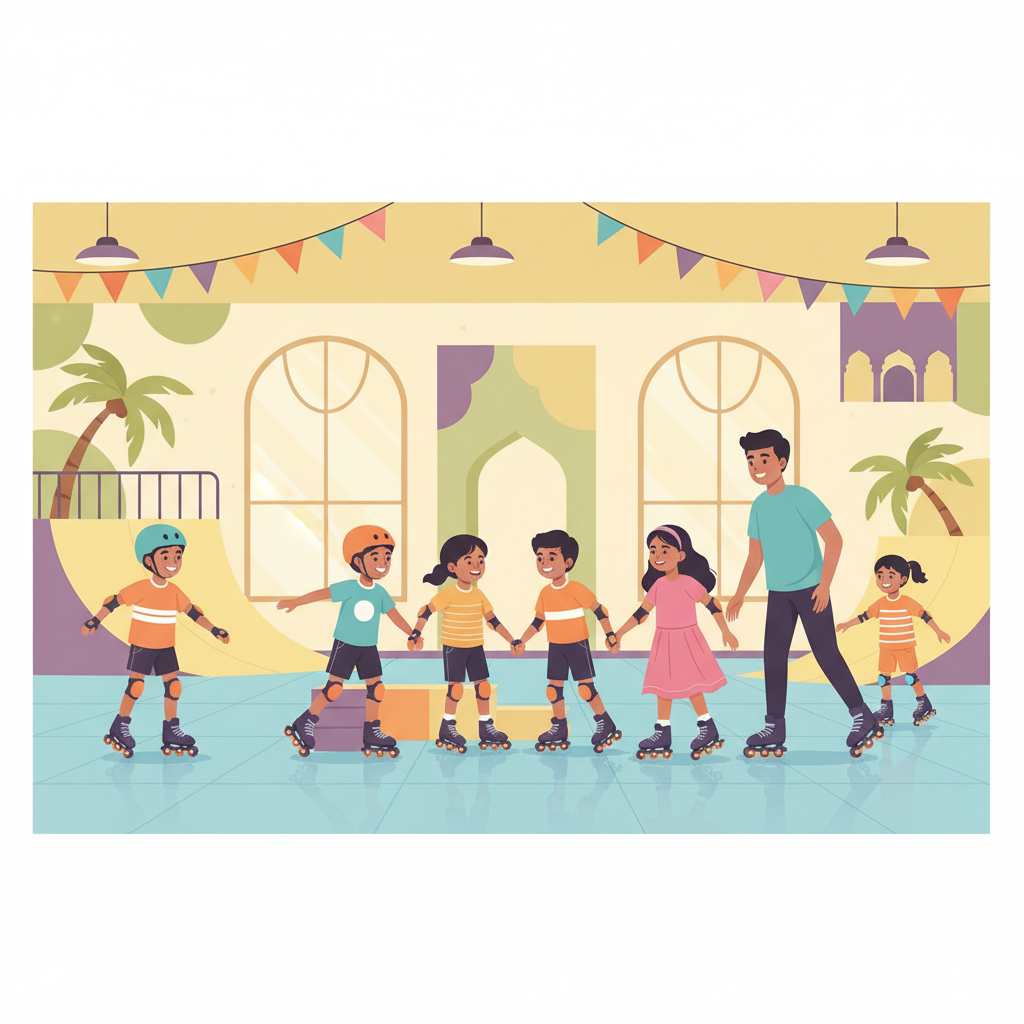
As parents, we're always looking for activities that can help our children grow, build confidence, and stay active. In a vibrant city like Jaipur, with its energetic kids and supportive communities like Vaishali Nagar, finding the right extracurricular can feel both exciting and a little overwhelming. Skating often comes up as a fantastic option, promising not just physical fitness but a host of developmental benefits. But how do you know when your child is ready, what to look for in a class, and what truly makes a good skating program?
Key Takeaways for Parents
- Most children can start learning skating between 4-6 years old, focusing on balance and fun.
- Look for small class sizes, experienced coaches, safety protocols, and age-appropriate equipment.
- Skating significantly boosts balance, coordination, strength, and spatial awareness.
- A good class prioritizes safety, positive encouragement, and progressive skill development.
- Be wary of overcrowded classes, unqualified instructors, and pressure to perform too quickly.
When is Your Child Ready to Start Skating? Age-Appropriate Beginnings
One of the first questions parents in areas like Vaishali Nagar and Chitrakoot ask is, 'Is my child old enough?' While there's no single magic age, most experts agree that children can begin to explore skating between 4 and 6 years old. At this stage, their gross motor skills are developing rapidly, and they're often eager to try new, exciting movements.
For younger children (4-5 years), the focus should be less on mastering complex techniques and more on developing comfort, balance, and basic mobility on skates. Think of it as an extension of their natural play, encouraging them to stand, push, and glide. Safety is paramount, and a supportive, patient environment is key.
Children aged 6 and up often have better body awareness and can follow instructions more precisely, making them ready for more structured lessons. They can typically grasp concepts like stopping, turning, and maintaining speed more effectively.
| Age Range | Focus of Skating Lessons | Key Developmental Milestones |
|---|---|---|
| 4-5 Years | Balance, standing, gentle gliding, falling safely, getting up, fun. | Developing gross motor skills, body awareness, confidence in new movements. |
| 6-8 Years | Basic forward motion, stopping (T-stop, plow stop), simple turns, speed control. | Improved coordination, following multi-step instructions, problem-solving. |
| 9+ Years | Advanced techniques, speed skating, artistic moves, hockey skating, endurance. | Enhanced agility, strength, strategic thinking, perseverance. |
What to Look for in a Quality Skating Class in Jaipur
Choosing the right skating class for your child in Jaipur, whether you're in Vaishali Nagar, Nirman Nagar, or even a bit further like Raja Park, involves more than just finding a convenient location. It's about ensuring a safe, effective, and enjoyable learning experience.
1. Qualified and Experienced Coaches
This is non-negotiable. An excellent coach understands child development, not just skating techniques. They should be patient, encouraging, and able to break down complex movements into small, manageable steps. Look for certifications or a proven track record. Ask about their experience with young children and their coaching philosophy.
2. Small Class Sizes and Individual Attention
Especially for beginners, a lower coach-to-student ratio is crucial. This allows coaches to provide personalized feedback, correct form safely, and pay attention to each child's progress and challenges. Overcrowded classes can lead to children feeling overlooked or, more dangerously, not receiving immediate assistance when needed.
3. Emphasis on Safety and Proper Equipment
A good program will always prioritize safety. This means mandatory helmets, knee pads, elbow pads, and wrist guards. The facility itself should have a smooth, well-maintained surface, free from obstructions. Coaches should teach falling safely as one of the very first lessons.
4. Structured, Progressive Curriculum
Learning to skate isn't just about putting on skates and going. A good program will have a clear curriculum that builds skills progressively. It should start with foundational elements like balance and falling, then move to gliding, stopping, and turning, before introducing more advanced maneuvers. This ensures children build a strong base and avoid developing bad habits.
5. Positive and Encouraging Environment
Children learn best when they feel safe to make mistakes and are celebrated for their efforts. Look for a class where coaches use positive reinforcement, create a fun atmosphere, and understand that every child learns at their own pace. A child who enjoys their classes is more likely to stick with it and thrive.
6. Trial Classes and Parent Observation
Before committing, ask if you can observe a class or if they offer a trial session. This allows you to see the coach's interaction with the children, assess the safety measures, and get a feel for the overall environment. It's a great way to gauge if it's the right fit for your child.
"Vinayak is thriving—thanks to the incredible foundation and care he received at Champions Studio! Thank you for always nurturing not just the children but also the trust of every family who walks through your doors."
Kartikeya R Sharma (parent of Vinayak)What Does a Good Skating Session Look Like?
Imagine a typical 45-60 minute skating session. It should be a blend of structured learning and fun, keeping children engaged and physically active.
- Warm-up (5-10 minutes): Gentle stretches and light exercises to prepare muscles and joints, reducing the risk of injury. This also helps children focus and transition into the activity.
- Fundamental Drills (15-20 minutes): This is where core skills are practiced. For beginners, it might be standing up, balancing on one foot, or taking small steps. For more advanced skaters, it could be specific stopping techniques or turning drills. The coach provides clear demonstrations and individual feedback.
- Games and Fun Activities (10-15 minutes): Incorporating games makes learning enjoyable and helps children apply skills in a less structured setting. Think 'Red Light, Green Light' on skates, or obstacle courses that encourage turning and stopping. This is crucial for maintaining interest.
- Cool-down and Review (5 minutes): Gentle stretches to relax muscles and a quick recap of what was learned. Coaches might offer a positive word or highlight individual achievements.
Throughout the session, coaches should be actively supervising, correcting form gently, and ensuring everyone adheres to safety rules. The energy should be positive and motivating.
Recognizing Red Flags: When to Reconsider a Skating Class
While many places offer good programs, it's important to be aware of signs that a class might not be the best fit or even safe for your child.
- Overcrowded Classes: If a single coach is responsible for too many children, especially beginners, it's a safety concern and means less individual attention for your child.
- Lack of Safety Gear Enforcement: If helmets and pads aren't mandatory or consistently checked, it's a major red flag. Safety should never be compromised.
- Untrained or Impatient Coaches: A coach who is easily frustrated, yells, or lacks the ability to explain things clearly to children is detrimental to their learning and confidence.
- Unsuitable Facilities: A rough, uneven, or dirty skating surface can lead to falls and injuries. The environment should be clean and well-maintained.
- Pressure to Perform: While progress is good, excessive pressure on young children to perform complex moves before they're ready can lead to anxiety and burnout. Learning should be at their pace.
- No Clear Curriculum: If classes seem disorganized or lack a clear progression of skills, children might not be getting the structured learning they need.
✅ Your Pre-Enrolment Checklist for Skating Classes
- Is the coach certified and experienced with children?
- What is the coach-to-student ratio? Is it small enough?
- Are safety gear (helmet, pads) mandatory and enforced?
- Is the skating surface smooth, clean, and safe?
- Does the program have a clear, progressive curriculum?
- Can I observe a class or get a trial session?
- Is the environment positive and encouraging?
- What are the class timings and location convenience (e.g., near Vaishali Nagar, Vidyadhar Nagar)?
The Wonderful Benefits of Skating for Child Development
Beyond being a fun way to spend an afternoon, skating offers a wealth of developmental advantages for children.
Physical Development:
- Balance and Coordination: Skating demands constant adjustments to stay upright, significantly improving these crucial skills. This translates to better performance in other sports and daily activities.
- Strength and Endurance: Pushing off, gliding, and maintaining posture builds core strength, leg muscles, and cardiovascular endurance. It's a fantastic full-body workout.
- Agility and Reflexes: Navigating around others, changing direction, and reacting to unexpected movements sharpens agility and quickens reflexes.
- Spatial Awareness: Children learn to understand their body's position in space and how to move within a given area, enhancing their proprioception.
Cognitive and Emotional Development:
- Problem-Solving: Figuring out how to stop, turn, or overcome a difficult maneuver involves problem-solving and critical thinking.
- Patience and Perseverance: Learning to skate takes time and practice. Children learn the value of sticking with a challenge, even after falling, and celebrating small victories.
- Confidence and Self-Esteem: Mastering a new skill, especially one that involves balance and speed, gives children a huge boost in confidence. The feeling of gliding independently is incredibly empowering.
- Focus and Concentration: Skating requires sustained attention to body movements, surroundings, and instructions from the coach.
- Social Skills: Group classes provide opportunities for children to interact with peers, learn sportsmanship, and develop friendships.
These benefits aren't just for the rink; they transfer to school performance, other physical activities, and overall well-being. Parents in thriving communities like Vaishali Nagar and Chitrakoot often seek such holistic development for their children.
Finding the Right Fit: Considering Options in Jaipur
When you're ready to explore options for skating classes in Jaipur, especially if you're located in areas like Vaishali Nagar, Nirman Nagar, or Vidyadhar Nagar, you'll want a facility that understands these principles of child development and safety.
A common question from Jaipur families is where to find comprehensive programs that offer more than just one activity. Champions Studio, for instance, has been a trusted name for holistic child development in Jaipur. While they have a well-established C-Scheme club, they are expanding their presence. Their approach often encompasses a wide range of activities under one roof, understanding that a child's interests can evolve.
Champions Studio will soon be opening a new facility right here in Vaishali Nagar, offering a variety of activities including skating. Their programs are designed with a focus on experienced coaches, structured learning, and a positive environment, echoing many of the points discussed in this guide. They offer flexible packages, whether you're looking for focused skating sessions or a blend of activities like skating, swimming, or dance.
For example, their standard package typically includes 3 sessions/week for one activity, while their premium and deluxe options allow for more frequent sessions and multiple activities, catering to different interests and schedules. This flexibility can be a real advantage for busy parents.
Frequently Asked Questions by Parents in Jaipur
Q1: What kind of skates are best for beginners?
For young beginners, inline skates (rollerblades) with a good ankle support and softer wheels are generally recommended. Some prefer quad skates (roller skates) for initial stability, but inline skates often lead to faster progression once balance is achieved. Always ensure they are the correct size and fit snugly.
Q2: How much do skating classes typically cost in Jaipur?
Prices can vary widely based on the facility, coach's experience, class duration, and frequency. Generally, you can expect anywhere from ₹2000 to ₹5000+ per month for a few sessions a week. Facilities like Champions Studio offer various packages, such as a standard ₹5000/month for 3 sessions/week of one activity, or more comprehensive options like ₹8500/month for 6 sessions/week across 4 activities. It's wise to compare not just price, but value for money in terms of coaching quality and facilities.
Q3: What safety gear is essential for skating?
Absolutely essential gear includes a well-fitting helmet (multi-sport certified is best), knee pads, elbow pads, and wrist guards. These protect the most vulnerable areas during falls, which are a natural part of learning. Good programs will make these mandatory.
Q4: How long does it take for a child to learn to skate?
This varies greatly by child. Some children pick up basic gliding and stopping within a few weeks, while others might take a couple of months to feel comfortable. Consistency in attendance, a good coach, and the child's natural aptitude all play a role. The goal should be steady progress, not rushed mastery.
Q5: Is skating safe for young children?
With proper safety gear, qualified instruction, and a suitable environment, skating is a very safe activity. Most injuries occur when children are unsupervised, not wearing appropriate gear, or trying to learn in unsafe conditions. Supervised classes significantly mitigate these risks.
Q6: My child is shy. Will they enjoy group classes?
Many shy children thrive in group settings, especially when facilitated by an encouraging coach. The shared experience of learning something new, coupled with positive reinforcement, can build confidence. Often, seeing peers try and succeed (or even fall and get up) can motivate a shy child to participate more actively.
Choosing the right skating class for your child in Vaishali Nagar or anywhere in Jaipur is a decision that can greatly impact their physical development, confidence, and overall well-being. By focusing on safety, quality coaching, and a positive learning environment, you can ensure your child embarks on a rewarding journey on wheels.
If you're in Vaishali Nagar and looking for a new hub for your child's activities, you might want to register your interest for Champions Studio's upcoming facility, where skating is just one of the many engaging programs designed to nurture young talent.