Kids' Painting in Vaishali Nagar – A Parent's Guide
Considering painting classes for your child in Vaishali Nagar, Jaipur? Learn when to start, what to look for, and how art benefits development before you enrol.
By Champions Studio Team · Fri Apr 03 2026
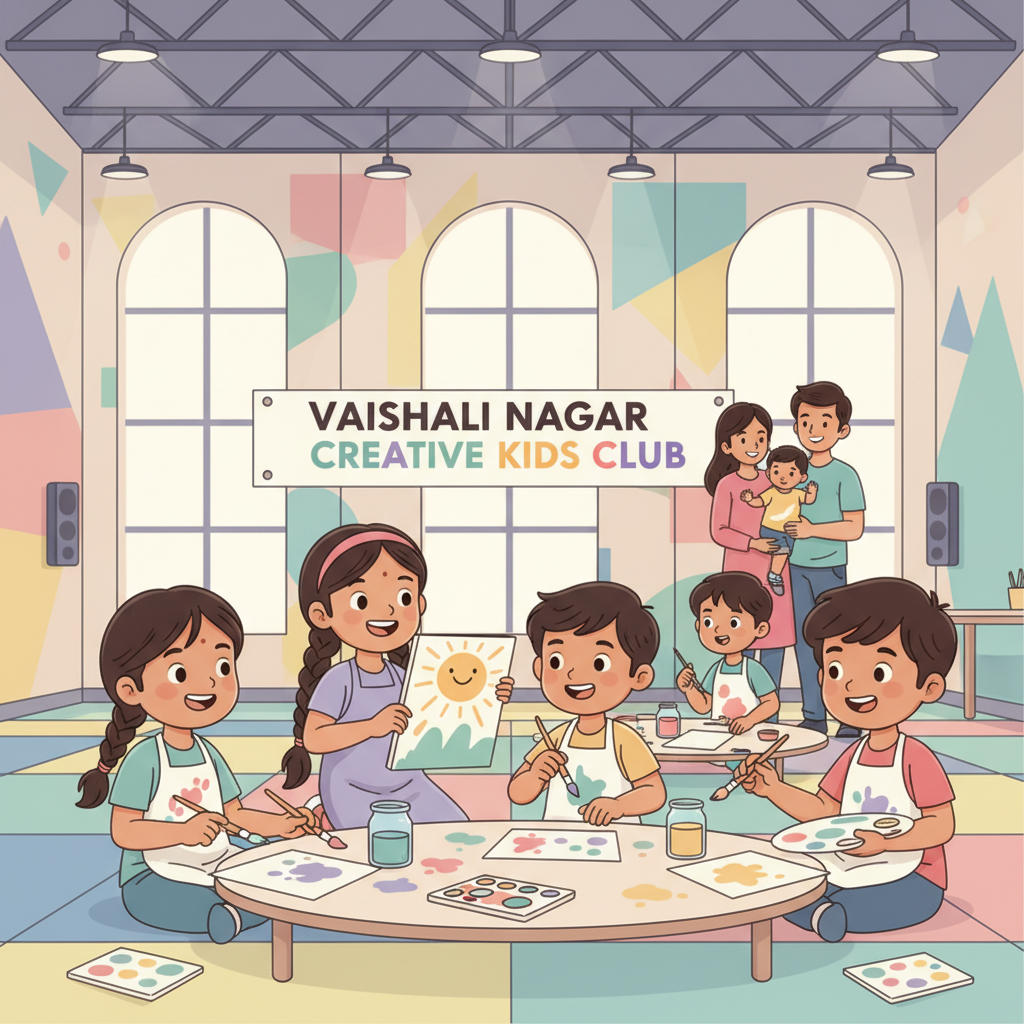
As parents in Jaipur, we’re constantly looking for enriching activities that spark our children's creativity and help them grow. Among the many options, painting often stands out as a vibrant, accessible way for kids to express themselves. But with so many choices, especially in bustling areas like Vaishali Nagar, how do you pick the right class? This guide is designed to help you navigate the world of children's art, ensuring you make an informed decision that truly benefits your child.
Key Takeaways
- Painting can begin as early as 18 months with sensory exploration, evolving into structured classes by age 4-5.
- Look for classes that prioritize process over product, offer varied mediums, and foster a positive, encouraging environment.
- Benefits include fine motor skill development, emotional regulation, problem-solving, and boosted self-esteem.
- Avoid programs that are overly rigid, focus solely on replication, or have instructors who are not child-development informed.
- Consider logistics like location in Vaishali Nagar, class size, and safety measures.
Why Painting? The Hidden Benefits of Art for Your Child
It's easy to see painting as just a fun, messy activity. But beneath the colourful strokes and smudges lies a powerful tool for child development. Art engages multiple parts of a child's brain, fostering growth in ways that academic subjects sometimes overlook.
Boosting Fine Motor Skills and Hand-Eye Coordination
Holding a paintbrush, squeezing paint tubes, or even tearing paper for a collage all require precise movements. These actions strengthen the small muscles in your child's hands and fingers, which are crucial for later tasks like writing, buttoning clothes, and using cutlery. The act of guiding the brush to create a desired line or shape also sharpens their hand-eye coordination.
Nurturing Creativity and Imagination
Painting is a blank canvas, literally. It encourages children to think imaginatively, to create worlds, characters, and emotions that exist only in their minds. There's no right or wrong in art, which frees children to experiment and explore without fear of failure. This freedom is vital for developing innovative thinking.
Enhancing Emotional Expression and Regulation
Children often lack the vocabulary to express complex emotions. Painting provides a non-verbal outlet. A child might paint an angry red monster to convey frustration or a serene blue landscape to show peace. Through art, they learn to identify, process, and even regulate their feelings in a healthy way. It's a wonderful form of emotional catharsis.
Developing Problem-Solving Skills
Every artwork presents mini challenges: What colour should I use? How do I make this look like a tree? What if I mix these two colours? These are all micro problem-solving opportunities. Children learn to make decisions, adapt their plans, and persist through creative hurdles, building resilience along the way.
Fostering Concentration and Focus
In a world full of distractions, finding activities that can hold a child's attention is gold. When a child is engrossed in painting, they enter a state of flow, focusing deeply on the task at hand. This sustained concentration is a skill that translates to all areas of learning.
Building Self-Esteem and Confidence
Completing a piece of art, no matter how abstract or simple, gives a child a tangible sense of accomplishment. Displaying their artwork, even on the fridge, validates their efforts and boosts their confidence. This feeling of 'I made this!' is incredibly empowering.
When is the Right Age to Start Painting Classes?
This is a common question from parents in Vaishali Nagar and across Jaipur. The truth is, there's no single 'right' age, as children develop at different paces. However, we can look at developmental stages to guide our choices.
Early Explorers (18 months - 3 years)
At this age, painting is all about sensory exploration. It’s less about creating a recognizable image and more about feeling the paint, seeing the colours mix, and making marks. Formal classes are usually too structured. Instead, focus on at-home activities with washable paints, finger paints, and large paper. Look for programs that offer 'messy play' or 'art exploration' sessions, like Champions Studio's Cuddle & Crawl classes which often incorporate art for this age group, focusing on safe, sensory experiences.
Budding Artists (3 - 5 years)
Around 3-4 years old, children start to develop more control over their hand movements and can follow simple instructions. They might begin to draw basic shapes and try to represent objects. This is often a good age to introduce structured art classes, provided they are play-based and focus on exploration rather than strict technique. Look for classes that use a variety of materials and encourage free expression.
Developing Creators (5 - 8 years)
By age 5-6, many children are ready for more structured painting classes. They can understand concepts like primary and secondary colours, perspective (basic), and different brushstrokes. They might start showing interest in drawing specific things and improving their skills. This is a fantastic age to nurture their artistic talents and introduce them to different art forms and artists.
Advanced Enthusiasts (8+ years)
Older children can handle more complex techniques, longer projects, and a deeper dive into art history and styles. They might even develop a preference for certain mediums like watercolour, acrylics, or oils. Classes for this age group can be more focused on specific skills and project-based learning.
| Age Range | Focus Activity | Ideal Duration |
|---|---|---|
| 18 months - 3 years | Sensory exploration, finger painting, large strokes | 15-30 minutes, at home or parent-led groups |
| 3 - 5 years | Play-based art, exploring colours & textures, simple tools | 30-45 minutes, group classes with free-play elements |
| 5 - 8 years | Structured painting, basic techniques, varied mediums, project-based | 45-60 minutes, dedicated art classes |
| 8+ years | Advanced techniques, specific mediums, art history, complex projects | 60-90 minutes, specialized art programs |
What to Look For in a Good Painting Class in Jaipur
When you're searching for a painting class for your child, whether in Vaishali Nagar, Chitrakoot, or Nirman Nagar, it's easy to get swayed by attractive brochures. But dig a little deeper. Here's what truly matters:
1. Philosophy: Process Over Product
The best art classes for children focus on the experience of creating, not just the finished artwork. If a class promises that every child will produce a masterpiece identical to the teacher's example, it's a red flag. Look for a philosophy that encourages experimentation, problem-solving, and individual expression. The journey of making art is far more valuable than a perfectly replicated picture.
2. Qualified and Nurturing Instructors
An art teacher for children needs more than just artistic talent. They need to understand child development, be patient, encouraging, and able to connect with kids. Look for teachers who:
- Encourage curiosity and ask open-ended questions.
- Offer constructive feedback without being critical.
- Create a positive and inclusive atmosphere.
- Are trained in art education or have significant experience teaching children.
3. Variety of Mediums and Techniques
A good class won't just stick to crayons and paper. It will introduce children to a diverse range of materials: tempera paints, watercolors, acrylics, pastels, charcoal, clay, collage materials, and even recycled items. This exposure broadens their artistic vocabulary and keeps them engaged.
4. Age-Appropriate Curriculum
As discussed, what's suitable for a 4-year-old is very different from what's suitable for an 8-year-old. Ensure the curriculum is tailored to the developmental stage of the children in the class. For younger kids, this means more sensory play; for older kids, it means more technical guidance.
5. Small Class Sizes
Individual attention is crucial in art. Smaller class sizes allow the instructor to observe each child, offer personalized guidance, and manage materials effectively. Ask about the student-to-teacher ratio.
6. Safe and Inspiring Environment
The studio itself should be well-lit, clean, and organized, with child-friendly furniture and easy access to materials. Safety is paramount, especially with paints and tools. Ensure there's good ventilation and that materials are non-toxic.
7. Location and Logistics
For parents in Vaishali Nagar, proximity is often a key factor. Consider how far the studio is, the commute time (especially with Jaipur's traffic), and parking availability. Also, inquire about class schedules, duration, and makeup policies for missed classes. Champions Studio, for instance, is opening a new facility in Vaishali Nagar, making it a convenient option for local families.
✅ Your Pre-Enrolment Checklist for Art Classes
- Observe a class in action (if possible).
- Talk to the instructor about their teaching philosophy.
- Ask about the curriculum and materials used.
- Inquire about class size and student-to-teacher ratio.
- Check safety protocols and studio cleanliness.
- Read reviews or speak to other parents.
- Understand the fee structure and what's included (materials, etc.).
Red Flags to Watch Out For
Just as there are indicators of a good class, there are also warning signs that a program might not be the best fit for your child's artistic journey.
1. Overly Prescriptive or 'Cookie-Cutter' Art
If every child's artwork looks identical to the teacher's example or to each other's, it suggests a lack of encouragement for individual creativity. Art should be a space for unique expression, not replication.
2. Focus on Perfection Over Exploration
An instructor who corrects every 'mistake' or emphasizes perfect lines and colours over the child’s vision can stifle creativity and make art feel like a chore. Children should feel free to experiment and make their own artistic choices.
3. Lack of Varied Materials
If a class sticks to just one or two basic mediums for an extended period, children can quickly get bored. A rich art program offers a diverse palette of materials and techniques.
4. Unenthusiastic or Uninformed Instructors
An instructor who seems disengaged, lacks patience, or doesn't understand age-appropriate teaching methods for art can quickly turn a child off to painting. Observe their interaction with the children.
5. Unsafe or Uninspiring Environment
A cramped, poorly lit, or disorganized studio can be detrimental to the creative process. Ensure the space is conducive to art-making and adheres to safety standards.
A Look at Painting Programs in Vaishali Nagar, Jaipur
For parents in Vaishali Nagar and surrounding areas like Vidyadhar Nagar or Raja Park, there are various options for children’s art classes. When exploring these, keep the above criteria in mind. Some institutions might focus on specific art forms, while others offer a broader creative experience.
"Sasha is now focused on tennis and Soham exclusively on art which we discovered his talent at your place 🙏"
Diane Singh (parent of Soham & Sasha)A newer option for families in Vaishali Nagar is the upcoming Champions Studio. While they have a well-established club in C-Scheme offering a wide range of activities including painting, their new Vaishali Nagar location will bring their comprehensive approach closer to home. They offer painting as part of their diverse activity portfolio, catering to various age groups and skill levels. Their approach, as shared by parents like Diane Singh, often helps children discover and nurture their unique talents.
Champions Studio's Approach to Painting
At Champions Studio, the painting program is designed to be an integral part of holistic child development. They focus on:
- Exploration and Experimentation: Encouraging children to try different paints, brushes, and surfaces, fostering their innate curiosity.
- Guided Creativity: Providing foundational techniques while allowing ample room for individual expression, ensuring children don't just copy but truly create.
- Diverse Mediums: Introducing children to various art forms, from basic drawing and colouring to more complex painting techniques using acrylics, watercolors, and mixed media.
- Positive Reinforcement: Instructors focus on building confidence and celebrating each child's unique artistic voice.
Their multi-activity packages (Standard, Deluxe, Premium) allow parents to integrate painting with other developmental activities like music, sports, or gymnastics, providing a well-rounded experience. For instance, a Deluxe package might include painting alongside basketball and dance, ensuring a balance of creative, physical, and cognitive development.
Parents often appreciate this integrated approach. Kartikeya R Sharma, a parent of Vinayak, shared, "Vinayak is thriving—thanks to the incredible foundation and care he received at Champions Studio! Thank you for always nurturing not just the children but also the trust of every family who walks through your doors." This highlights the nurturing environment that supports children's growth across various domains, including art.
Practical Considerations for Parents
Beyond the curriculum, there are a few practical aspects that parents in Jaipur often grapple with when enrolling their children in any activity.
Cost and Value
Painting classes can vary widely in price. Consider what's included: materials, class duration, instructor expertise, and class size. Sometimes, a slightly higher fee for a smaller class with a qualified instructor offers better value in the long run than a cheaper, overcrowded one. Champions Studio offers various packages, like their Standard (₹5000/month for 3 sessions/week, 1 activity) or Premium (₹8500/month for 6 sessions/week, 4 activities) options, allowing parents to choose what best fits their budget and their child's interests.
Commute and Convenience
As you live in Vaishali Nagar, think about the time and effort involved in getting your child to and from class. A nearby option can significantly reduce stress and make it easier to maintain consistency. The upcoming Champions Studio in Vaishali Nagar aims to address this need directly.
Your Child's Enthusiasm
Ultimately, the best class is one your child enjoys. Pay attention to their reactions after a trial class or the first few sessions. Are they excited? Do they talk about what they created? Their genuine interest is the most important indicator of a good fit.
Frequently Asked Questions About Kids' Painting Classes
Q1: At what age can my child realistically start learning proper painting techniques?
While sensory exploration can start as early as 18 months, children typically begin to learn proper painting techniques (like holding a brush, mixing colours, basic strokes) around 5-6 years old, when their fine motor skills and cognitive abilities are more developed.
Q2: Do painting classes help with schoolwork, especially handwriting?
Yes, absolutely! The development of fine motor skills and hand-eye coordination through painting directly translates to improved control for handwriting. The focus and concentration required in art also benefit attention spans needed for academic tasks.
Q3: What if my child isn't naturally 'artistic'? Should I still enrol them?
Definitely! Painting isn't just for naturally artistic children. It's a developmental activity. The benefits of creativity, emotional expression, and fine motor skill development are universal. A good art class will help any child explore and grow, regardless of their innate talent.
Q4: How do I know if a painting class is safe for my child in terms of materials?
Always ask the studio about the types of paints and materials they use. Ensure they are non-toxic, especially for younger children who might still put things in their mouths. Reputable studios will readily provide this information.
Q5: Are there any specific art forms that are better for young children?
For young children (under 5), 'process art' is best – finger painting, sponge painting, large brush strokes, and collage. As they get older, they can explore tempera, watercolors, and eventually acrylics. The key is variety and encouraging experimentation.
Q6: How often should my child attend painting classes for the best results?
Consistency is key. For most children, attending once or twice a week is ideal. This allows them to build skills progressively without feeling overwhelmed. Over-scheduling can lead to burnout, so balance is important.
Final Thoughts
Choosing a painting class for your child in Vaishali Nagar, Jaipur, is an investment in their holistic development. By prioritizing a nurturing environment, qualified instructors, and a focus on creative process over perfect product, you can help your child unlock a world of imagination and self-expression. Take your time, ask questions, and most importantly, observe your child's joy in creating.
If you're in Vaishali Nagar and looking for a place that values this holistic approach, consider exploring the upcoming Champions Studio facility. They aim to provide a comprehensive and enriching experience for children, fostering creativity and confidence through art and a range of other activities.