First Study Zone Class: Malviya Nagar Parents' Guide
Preparing for your child's first Study Zone class in Jaipur? This guide covers what to expect, how to ease transitions, and signs of progress for parents in Malviya Nagar and nearby areas.
By Champions Studio Team · Wed Jul 29 2026
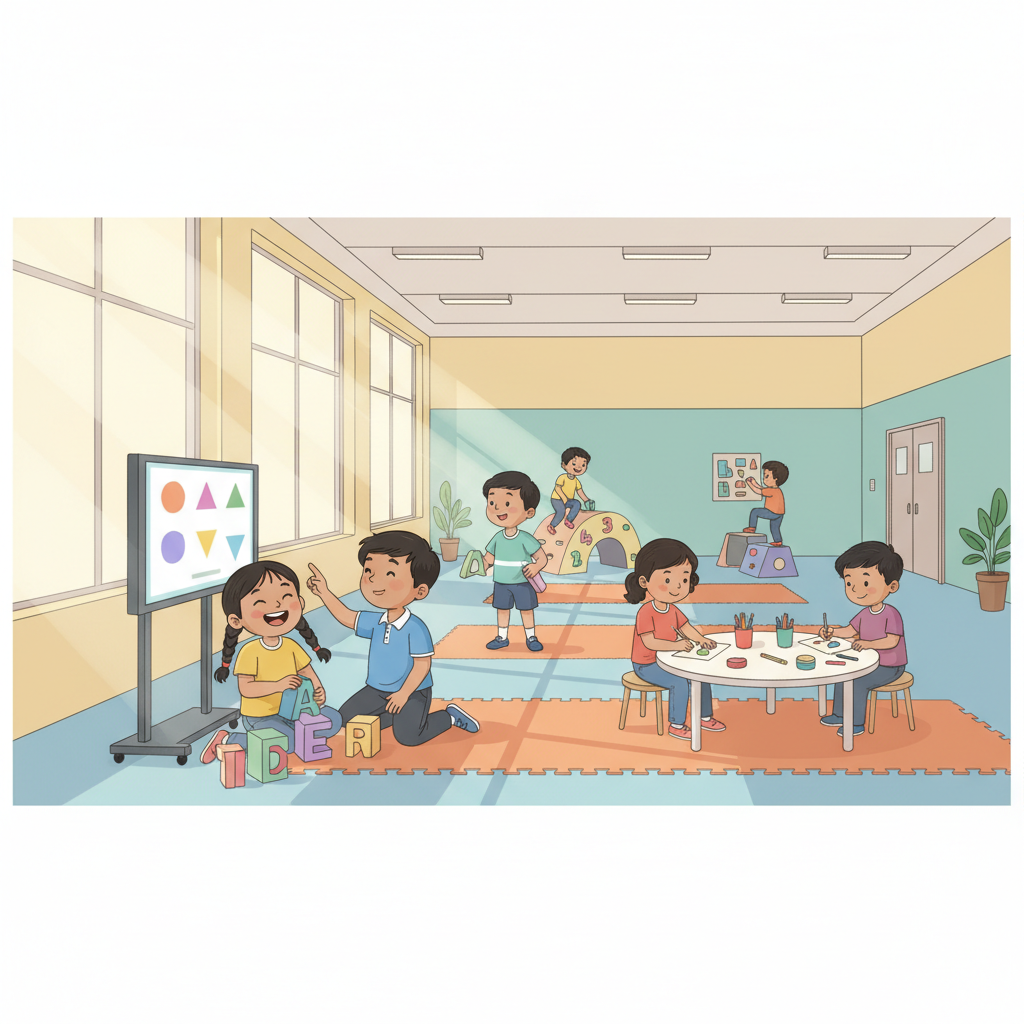
The idea of your child embarking on a new learning adventure, like a Study Zone class, is both exciting and a little nerve-wracking. As parents, we want to ensure they thrive, but the unknowns can feel daunting. Will they like it? Will they learn anything? How do I even prepare them?
Especially for families in bustling areas like Malviya Nagar, Jawahar Nagar, or Durgapura, finding the right balance between academic support and a nurturing environment is key. This guide aims to demystify that first Study Zone experience, offering practical advice to help both you and your child feel confident and prepared.
Key Takeaways
- Preparation is key: Discuss the class beforehand, managing expectations.
- Comfort over style: Opt for comfortable, distraction-free clothing.
- Address anxiety: Develop a consistent drop-off routine and trust the educators.
- Observe progress: Look for improved focus, confidence, and positive attitude, not just grades.
- Communication is vital: Talk to your child and the coaches regularly.
Understanding the 'Study Zone' Concept: More Than Just Tuitions
When we hear 'Study Zone,' it's easy to picture traditional tuition. However, modern Study Zone classes, especially those designed for younger learners, are often much more holistic. They focus not just on rote learning but on developing essential study skills, fostering independent thinking, and creating a supportive learning environment.
It's about cultivating a positive attitude towards learning, helping children manage their homework efficiently, and understanding concepts rather than just memorizing them. This approach is particularly beneficial for children navigating the academic demands of schools in Jaipur, whether they're in Pratap Nagar or closer to Tonk Road.
What to Wear: Comfort, Not a Fashion Show
One of the simplest ways to ensure your child has a good experience is to make sure they are physically comfortable. The Study Zone isn't a place for restrictive clothing or elaborate outfits. The goal is focus and learning.
- Soft, Breathable Fabrics: Cotton is always a winner. Avoid anything itchy or stiff.
- Layering is Smart: Jaipur's weather can be unpredictable, especially between seasons. A light jacket or cardigan can be easily added or removed.
- Avoid Distractions: Skip clothes with excessive sequins, noisy embellishments, or characters that might draw their attention away from tasks.
- Practical Footwear: Closed-toe shoes are generally best. They're comfortable for sitting, moving around, and prevent accidental stubbed toes.
- No Special Uniform: Unless specified by the center, there's usually no uniform. Just clean, comfortable everyday clothes.
✅ Your Pre-Class Comfort Checklist
- Is the clothing soft and non-restrictive?
- Can they easily adjust layers if the room temperature changes?
- Are there any visual or tactile distractions on their clothes?
- Are their shoes comfortable for sitting and moving?
- Have they used the restroom before leaving home?
Handling Separation Anxiety: A Gentle Transition
For many children, especially those new to structured group settings, separation anxiety is a real and valid emotion. It's perfectly normal for children to feel a little nervous or clingy. Your calm and consistent approach can make all the difference.
- Talk About It Positively: Before the first class, talk about the Study Zone as an exciting new adventure. Focus on what they'll learn and the friends they might meet.
- Visit if Possible: If the facility allows, a pre-visit can make the new environment less intimidating.
- Establish a Quick Goodbye Ritual: A hug, a quick 'I love you, I'll be back soon,' and then a confident departure. Lingering can sometimes make it harder.
- Trust the Educators: Coaches are experienced in handling separation anxiety. They have strategies to engage children and help them settle in.
- Be Consistent: Stick to the routine. Your child will quickly learn that you always return.
- Acknowledge Feelings: Don't dismiss their sadness. Say, 'I know you're feeling a bit sad right now, but you'll have fun, and I'll be back after your class.'
"Vinayak is thriving—thanks to the incredible foundation and care he received at Champions Studio! Thank you for always nurturing not just the children but also the trust of every family who walks through your doors."
Kartikeya R Sharma (parent of Vinayak)Parents in Malviya Nagar often wonder about the best way to manage these initial jitters, especially with busy schedules. Remember, a few tears at drop-off don't necessarily mean a bad experience. Often, children settle quickly once you've left.
What Coaches Look For: Beyond Just Getting the Answers Right
Good Study Zone coaches aren't just looking for correct answers. They are observing a range of indicators that speak to your child's engagement, learning style, and overall well-being in the classroom.
- Engagement and Participation: Are they actively listening, asking questions, and contributing to discussions?
- Focus and Attention Span: Can they stay on task for age-appropriate periods?
- Problem-Solving Skills: How do they approach challenges? Do they try to figure things out, or do they give up easily?
- Peer Interaction: How do they interact with other children during group activities or discussions?
- Independence: Can they manage their materials, follow instructions, and work without constant supervision?
- Enthusiasm for Learning: Do they show curiosity or excitement about new topics?
- Effort, Not Just Outcome: Coaches value effort and perseverance even if the answer isn't perfect.
A common question from Jaipur families is, 'How do I know if the coach is a good fit?' Observe how the coach interacts with the children – is it patient, encouraging, and clear? A good coach creates a safe space for learning and mistakes.
Realistic Timelines for Progress: Patience is a Virtue
It's natural to want to see immediate results, but academic and skill development is a journey, not a sprint. Setting realistic expectations is crucial for both you and your child.
| Timeframe | What to Expect | Focus Areas |
|---|---|---|
| 1-2 Weeks | Adjustment to routine, familiarity with coaches and peers. May still have some anxiety. | Comfort, settling in, understanding class structure. |
| 1-2 Months | Increased comfort, willingness to participate, understanding basic concepts introduced. | Engagement, following instructions, initial skill building. |
| 3-6 Months | Noticeable improvements in focus, confidence, and application of learned skills. Better homework management. | Skill mastery, independent work, positive attitude towards academics. |
| 6+ Months | Consistent progress, deeper understanding, improved grades (if applicable), self-reliance in studies. | Sustained academic growth, advanced skill development. |
Parents in Malviya Nagar, especially those balancing school, extra-curriculars, and commute times, often appreciate a clear understanding of this progression. Remember, every child learns at their own pace. Celebrate small victories along the way.
How to Tell if Your Child is Enjoying and Benefiting
Your child's verbal feedback is important, but often, their non-verbal cues and overall demeanor tell a richer story. Look for these signs:
- Positive Talk: Do they talk about their class or coach enthusiastically?
- Eagerness to Go: Do they look forward to attending, or do they resist?
- Increased Confidence: Are they more confident in tackling homework or discussing school topics?
- Applying Skills: Do you see them using strategies learned in the Study Zone for their school work?
- Improved Mood After Class: Do they seem happy and energized, rather than drained or upset?
- Better Organization: Are they managing their school materials or homework schedule more effectively?
- Asking Questions: A child who feels safe and engaged will often ask more questions, showing genuine curiosity.
It's crucial to maintain open communication with both your child and the Study Zone educators. Regular check-ins with coaches can provide valuable insights into your child's progress and areas where they might need more support.
FAQs for Malviya Nagar Parents About Study Zone Classes
Q: What should I pack in my child's bag for a Study Zone class?
A: Generally, they'll need their school textbooks, notebooks, a pencil case with essentials (pencils, eraser, sharpener, ruler), and a water bottle. Some centers might ask for a healthy snack. Always check with the specific center beforehand.
Q: How long should a Study Zone session be for a primary school child?
A: For younger children (6-10 years), 60-90 minutes is often ideal to maintain focus. For older children, sessions might extend to 2 hours, with short breaks. The key is to avoid burnout while ensuring sufficient learning time.
Q: My child complains about homework. Will a Study Zone help?
A: Yes, very likely! A good Study Zone helps children understand concepts better, develop organizational skills, and learn efficient study techniques. This often reduces frustration and makes homework feel less overwhelming, fostering a more positive attitude.
Q: How do I know if the Study Zone class is too challenging or too easy for my child?
A: Pay attention to your child's emotional response. If they're consistently frustrated or bored, discuss it with the coaches. They can assess if the level is appropriate or if adjustments are needed. Regular communication with the educators is key.
Q: What if my child misses a class due to illness or other commitments?
A: Most reputable centers, like Champions Studio, have a make-up class policy or offer resources to catch up. It's always best to inform the center in advance about any absences and understand their specific policy.
Q: Are Study Zone classes just for children struggling academically?
A: Not at all! While they certainly help children who need extra support, Study Zones are also excellent for children who want to excel, develop advanced study skills, or simply have a dedicated, distraction-free environment to complete their homework and deepen their understanding of school subjects.
Navigating your child's academic journey requires thought and support. By understanding what to expect from a Study Zone class, particularly in a vibrant community like Malviya Nagar, you can empower your child to embrace learning with confidence.
If you're exploring options for a supportive and engaging Study Zone environment, consider Champions Studio, opening soon in Malviya Nagar. They offer a comprehensive Study Zone program alongside a wide array of other activities, designed to foster holistic development. You can also explore their established C-Scheme club to see their approach to nurturing young minds.