First Discovery Class in Malviya Nagar: What to Expect
Preparing for your child's first discovery class in Malviya Nagar? Learn what to expect, how to ease separation, and tips for making it a positive experience.
By Champions Studio Team · Thu Aug 06 2026
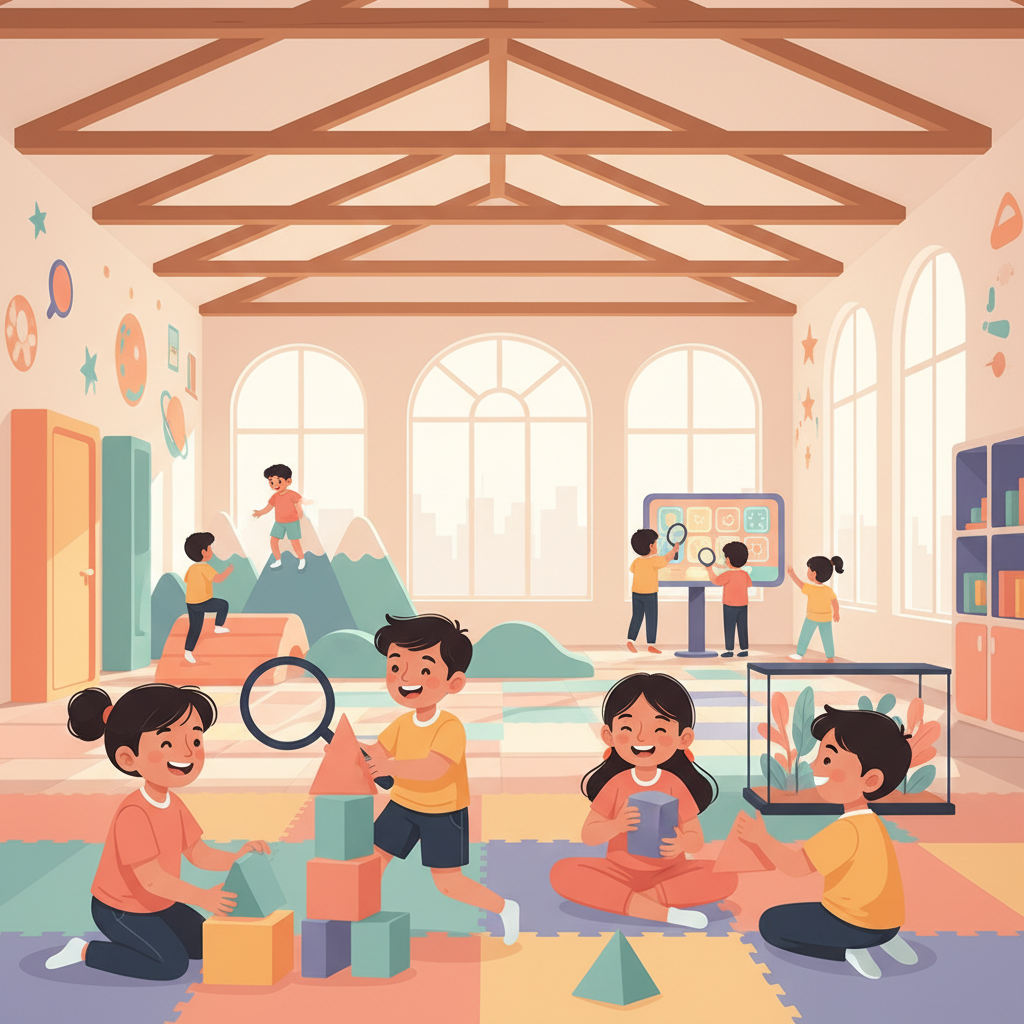
The moment your child embarks on a new adventure, like their first discovery room class, is often a mix of excitement and a little bit of apprehension for both of you. As parents, we want to ensure they have a positive experience, learn new things, and feel secure. This guide aims to walk you through what to expect and how to best prepare your little one for a joyful start, whether you're in Malviya Nagar, Jawahar Nagar, or any part of Jaipur.
Key Takeaways
- Preparation is Key: Talk to your child, visit the venue if possible, and pack appropriately.
- Ease Separation: Develop a consistent, reassuring goodbye routine.
- Understand the Coach's Role: They focus on engagement, social-emotional skills, and fostering curiosity.
- Progress is Gradual: Celebrate small victories; every child develops at their own pace.
- Observe & Communicate: Look for signs of enjoyment and discuss any concerns with the coaches.
What Exactly is a 'Discovery Room' Class?
Before we dive into preparation, let's clarify what a 'Discovery Room' class typically entails. Unlike structured sports or academic tutoring, these classes are designed for young children (often toddlers and preschoolers) to explore, experiment, and learn through play in a stimulating, safe environment.
Think of it as a curated space filled with age-appropriate materials, sensory stations, creative tools, and opportunities for imaginative play. The goal isn't to teach specific facts, but to foster curiosity, problem-solving skills, fine and gross motor development, and crucial social-emotional growth.
Activities might include building blocks, sensory bins with rice or water, art easels, dress-up corners, puzzles, and interactive story times. The emphasis is always on child-led exploration with gentle guidance from experienced facilitators.
What Should Your Child Wear and Bring?
Comfort and practicality are paramount. Children in a discovery room will be moving, sitting on the floor, getting a little messy, and engaging with various textures. Here's a simple guide:
✅ Your Child's Discovery Class Checklist
- Comfortable Clothing: Soft, breathable fabrics that allow for free movement. Avoid anything restrictive or with too many buttons/snaps. T-shirts, shorts, leggings, or track pants are ideal.
- Closed-Toe Shoes: Sneakers or soft-soled shoes that stay on securely. No flip-flops or sandals, as they can be tripping hazards during active play.
- A Small Backpack: For their personal items.
- Water Bottle: Hydration is important! Label it clearly.
- A Healthy Snack: If the class duration warrants it, or for immediately after. Check the facility's policy on snacks.
- A Change of Clothes: Especially for younger children, accidents happen, and sometimes art activities can get enthusiastic!
- Diapers/Pull-ups: If your child isn't fully potty-trained.
Parents in Malviya Nagar, with our warm Jaipur weather, might lean towards lighter fabrics. However, remember that indoor spaces are often air-conditioned, so a light layer might be useful.
Navigating Separation Anxiety: A Gentle Approach
This is perhaps the biggest concern for many parents. It's completely normal for children (and parents!) to feel anxious about separating. Here’s how you can help ease the transition:
- Talk About It: In the days leading up to the class, talk positively about the new 'play school' or 'fun class.' Describe what they might do and who they might meet.
- Visit if Possible: If the facility offers an open house or a chance to visit beforehand, take it. Familiarity can significantly reduce anxiety.
- Develop a Goodbye Ritual: A quick hug, a special wave, or a unique phrase. Make it consistent and quick. Lingering can make separation harder.
- Be Reassuring, Not Hesitant: Your child picks up on your emotions. If you project confidence and positivity, they are more likely to feel secure.
- Trust the Coaches: They are experienced in handling separation anxiety. They have strategies to comfort and engage children.
- Don't Sneak Out: Always say goodbye. Sneaking away can erode trust and make future separations even more difficult.
- Acknowledge Feelings: Say, "I know it's a little hard to say goodbye, but you're going to have so much fun, and I'll be back after story time!"
A common question from Jaipur families is, "How long will it take for my child to adjust?" There's no one-size-fits-all answer. Some children adapt in one session, others might take several weeks. Patience is key.
"Vinayak is thriving—thanks to the incredible foundation and care he received at Champions Studio! Thank you for always nurturing not just the children but also the trust of every family who walks through your doors."
Kartikeya R Sharma (parent of Vinayak)What Do Coaches Look For in Your Child's First Class?
The coaches aren't evaluating your child for future Olympic potential! Their focus is on understanding your child's personality and helping them integrate into the group. They look for:
- Engagement: Are they showing interest in any of the activities or materials?
- Social Interaction: Are they observing other children, or attempting to play near them?
- Emotional Regulation: How do they handle new situations, minor frustrations, or transitions?
- Communication: How do they express their needs or desires, even non-verbally?
- Independence: Are they comfortable exploring a little on their own?
They are there to facilitate positive interactions, offer support during moments of distress, and gently encourage participation, always respecting your child's pace.
Realistic Timelines for Progress and Development
It's natural to hope for immediate results, but development is a journey, not a race. You might not see dramatic changes after just one or two classes. Instead, look for subtle shifts over time.
Progress could look like:
- Week 1-2: Getting comfortable with the environment, observing more than participating.
- Week 3-4: Starting to engage with one or two preferred activities, perhaps playing alongside another child.
- Month 2-3: Showing more confidence, initiating play, making eye contact with coaches and peers, easier drop-offs.
- Month 4+: Actively participating, forming friendships, demonstrating problem-solving, and showing increased independence.
Remember that every child is unique. Your child's progress might be slower in some areas and faster in others. The key is consistent attendance and a supportive home environment.
How to Tell if Your Child is Enjoying the Class
Your child might not always articulate their feelings perfectly, especially if they're very young. Look for these signs of enjoyment and positive engagement:
- Excitement Before Class: Do they talk about it, or seem eager to go?
- Happy Demeanor After Class: Are they energetic, chatty, and generally in a good mood?
- Sharing Details: Even if it's just, "We played with blocks!" or "I painted!", it shows engagement.
- Asking to Go Back: The clearest sign!
- New Skills at Home: Are they trying new things, showing more independence, or demonstrating improved fine motor skills?
- Positive Body Language: Smiling, laughing, relaxed posture during class (if you get a peek or photos are shared).
Parents in Malviya Nagar, or those commuting from nearby areas like Durgapura or Pratap Nagar, might find it helpful to use the car ride home to ask open-ended questions like, "What was your favorite thing today?" instead of just "Did you have fun?"
Addressing Challenges: When Things Aren't Going Smoothly
It's not always smooth sailing, and that's okay. If your child seems consistently upset, resistant, or withdrawn, it's time to communicate. A common challenge for parents juggling commutes from Jawahar Nagar or Tonk Road is ensuring consistent attendance, which aids adjustment.
Speak to the coaches. They can offer insights into your child's behavior during class and suggest strategies. Perhaps a different activity sparks their interest, or they need a little more one-on-one attention initially. Sometimes, a child might just need a short break or a change in routine.
| Age Group | Typical Discovery Room Focus | Parental Role |
|---|---|---|
| 1.5 - 2.5 years | Sensory exploration, gross motor, early social observation | Reassurance, gentle encouragement, consistent drop-off |
| 2.5 - 3.5 years | Imaginative play, fine motor, pre-writing, parallel play | Foster curiosity, discuss class activities, manage separation |
| 3.5 - 5 years | Problem-solving, cooperative play, self-expression, early literacy/numeracy concepts | Encourage independence, listen to their experiences, support new skills |
Frequently Asked Questions by Jaipur Parents
Q: How long should my child attend a discovery class to see benefits?
A: While some benefits like increased confidence might appear quickly, consistent attendance for at least 2-3 months often yields more noticeable improvements in social skills, independence, and overall development.
Q: What if my child cries every time I drop them off?
A: This is tough, but common. Maintain your consistent, quick goodbye ritual. Trust the coaches – they are experts at comforting and redirecting children. Often, tears stop shortly after you leave. Discuss specific strategies with them.
Q: My child is very shy. Will they enjoy a discovery class?
A: Absolutely! Discovery rooms are often perfect for shy children because they offer child-led exploration without pressure. Coaches can gently encourage interaction and help them find an activity they feel comfortable with, building confidence over time.
Q: Are these classes just for fun, or do they offer real learning?
A: Discovery classes offer significant learning through play. They build foundational skills in cognitive development, fine and gross motor skills, problem-solving, creativity, and crucial social-emotional intelligence – all vital for future academic success.
Q: What's the ideal age to start a discovery class?
A: Many discovery programs cater to children from 1.5 to 5 years. The 'ideal' age depends on your child's readiness for group settings and a little independence. Observe their interest in new environments and other children.
Q: How do discovery classes compare to a more structured activity like swimming or gymnastics?
A: Discovery classes focus on broad, holistic development through unstructured and semi-structured play, fostering creativity and social skills. Structured activities, like those at Champions Studio's C-Scheme club (offering swimming, skating, and gymnastics), focus on specific skill acquisition and discipline within that activity. Both are valuable and can complement each other.
Embracing the Journey
Sending your child to their first discovery class is a wonderful step in their developmental journey. It's an opportunity for them to learn, grow, and make new friends in a supportive environment. By preparing thoughtfully, managing expectations, and communicating openly with the coaches, you can ensure this new experience is positive and enriching for your little one.
For parents in Malviya Nagar looking for a stimulating environment for their young ones, Champions Studio is opening soon with a dedicated Discovery Room and a wide range of activities for all ages. You can register your interest for the Malviya Nagar club to learn more about their offerings and how they can support your child's growth.