First Dance Class: Malviya Nagar Parent's Guide
Preparing for your child's first dance class in Jaipur? Learn what to expect, how to ease nerves, and spot genuine enjoyment. Practical tips for parents.
By Champions Studio Team · Sat May 02 2026
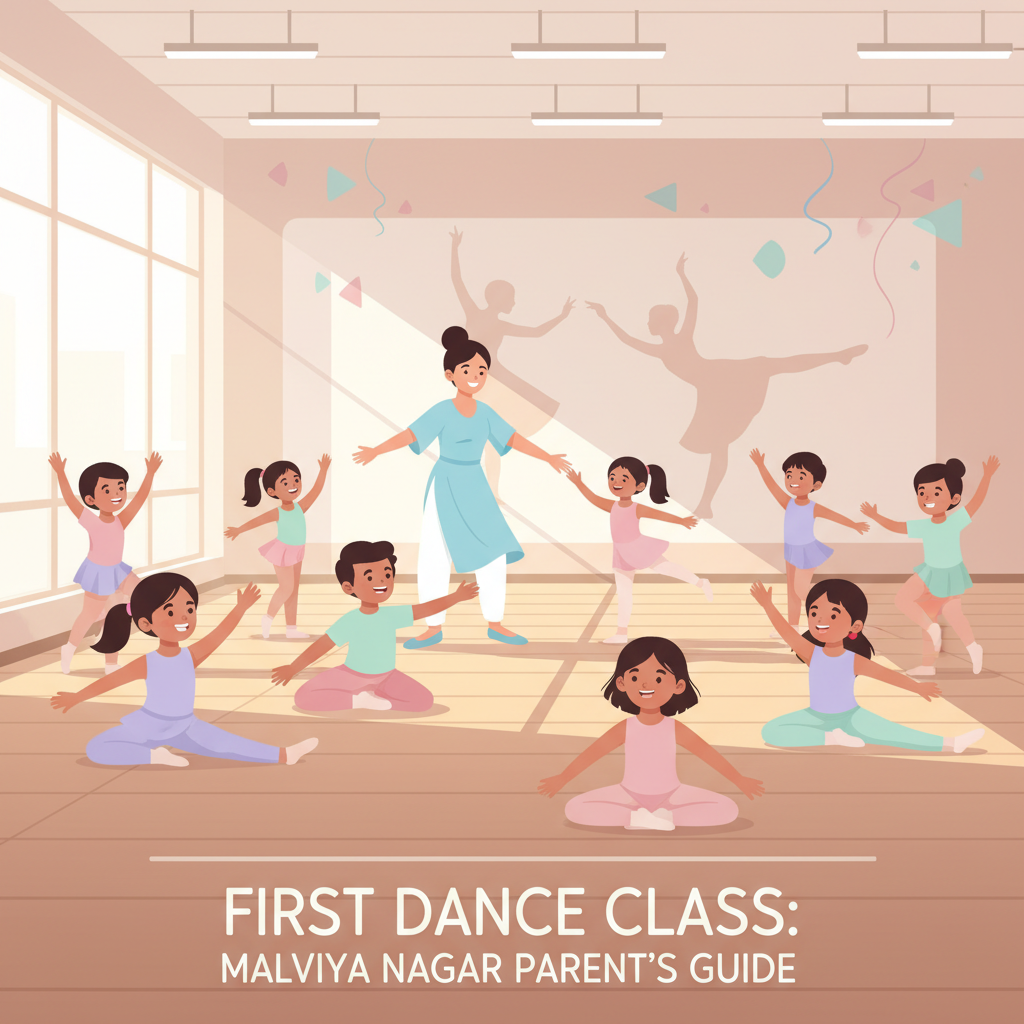
The idea of your child twirling, leaping, and expressing themselves through dance is enchanting. But for many parents in Jaipur, especially those considering their child's very first class, it can also bring a mix of excitement and apprehension. Will they like it? What do they wear? How do we handle those first-day jitters?
As a parent, you want to ensure any new activity is a positive, enriching experience. This guide aims to demystify that first dance class, offering practical insights and reassurance so you can both enjoy the journey.
Key Takeaways
- Preparation is Key: Discuss the class, try on clothes beforehand, and arrive early.
- Manage Expectations: Focus on fun and exploration, not immediate perfection.
- Separation Anxiety is Normal: Have a clear goodbye routine and trust the instructors.
- Look for Cues: Your child's enjoyment is more important than their technical skill initially.
- Patience Pays Off: Progress in dance is gradual and unique for every child.
Understanding Your Child's First Dance Experience
For young children, a dance class isn't just about learning steps; it's about developing coordination, listening skills, musicality, and social interaction. It’s a sensory experience, full of new sounds, movements, and faces. Their initial reactions can vary widely, from immediate enthusiasm to quiet observation, or even a bit of resistance.
What instructors primarily look for in these early stages is participation, willingness to try, and an ability to follow simple instructions. They understand that every child develops at their own pace. Don't expect perfect pirouettes on day one; celebrate the small victories, like staying with the group or trying a new movement.
What to Wear: Comfort, Safety, and Confidence
One of the most common questions from parents, especially those looking for classes in areas like Malviya Nagar or Jawahar Nagar, is about attire. The right clothing isn't just about looking the part; it's about allowing freedom of movement and ensuring safety.
General Guidelines for Dance Attire:
- Comfort is Key: Opt for stretchy, breathable fabrics that don't restrict movement. Think leggings, shorts, or soft track pants.
- Footwear Matters: For most beginner classes, bare feet are perfectly fine, especially for younger children. If shoes are required, ballet slippers or jazz shoes are common. Ensure they fit well and aren't slippery. Avoid regular socks as they can be a slipping hazard.
- Hair Tied Back: Long hair should always be tied back securely, preferably in a bun or ponytail, to keep it out of the face and prevent distractions or safety issues during turns and jumps.
- Avoid Baggy Clothes: While comfort is important, overly baggy clothes can hinder an instructor's ability to correct posture or see body alignment.
- No Jewelry: For safety reasons, it's best to remove all jewelry before class.
It's always a good idea to check with the specific studio for their dress code. For instance, a studio like Champions Studio, offering a variety of dance forms, might have different recommendations for ballet versus hip-hop. Don't feel pressured to buy expensive gear immediately; comfortable activewear is usually sufficient for a trial or the first few classes.
Navigating Separation Anxiety: A Gentle Approach
For many young children, especially those aged 3-6, the first time being in a new environment without a parent can be challenging. This is perfectly normal and a sign of a secure attachment. How you handle it can make a big difference.
✅ Your Separation Anxiety Action Plan
- Talk About It: Explain what will happen before class. "You'll go to dance class, I'll wait outside/do an errand, and then I'll be back to pick you up."
- Visit the Studio: If possible, visit the studio before the first class to familiarize your child with the space.
- Meet the Instructor: Introduce your child to their teacher beforehand, if feasible.
- Create a Good-Bye Ritual: A quick hug, a special wave, and a confident "I'll be back soon!" can be very reassuring. Avoid lingering, as it can make separation harder.
- Be Punctual for Pick-Up: Being there on time reinforces trust and helps build confidence for the next class.
- Trust the Process: Instructors are experienced with separation anxiety. They usually have strategies to help children settle in.
- Don't Sneak Away: Always say goodbye, even if it's difficult. Sneaking out can cause more anxiety in the long run.
Parents in Malviya Nagar, or those commuting from nearby areas like Durgapura, often juggle busy schedules. The temptation to drop and run can be strong, but a few extra minutes for a calm goodbye can prevent distress for your child and a smoother start to their class.
What Coaches Look For in Young Dancers
It's important to differentiate between what a coach looks for in a beginner versus an advanced student. For a child's first dance class, the focus is rarely on flawless technique. Instead, instructors are observing:
- Engagement: Is the child participating, even if quietly? Are they watching and trying to mimic movements?
- Listening Skills: Can they follow simple instructions like "stand still," "jump," or "turn around"?
- Musicality: Do they respond to the rhythm and beat of the music, even if it's just tapping their foot?
- Social Interaction: Are they comfortable in a group setting? Can they share space and take turns?
- Effort and Enthusiasm: Are they trying their best and showing enjoyment, even if their movements aren't perfect?
- Safety Awareness: Do they understand basic safety rules, like not running into others?
A common question from Jaipur families is, "My child just stands there; is that normal?" Absolutely. Some children are observers first. They absorb information visually before feeling confident enough to participate. Give them time.
Realistic Timelines for Progress
Patience is a virtue in dance, especially for young children. Unlike academic subjects, progress in physical activities like dance isn't always linear or immediately obvious. It's a journey of developing strength, flexibility, coordination, and confidence.
| Age Group | Typical Focus | Timeline for Noticeable Progress |
|---|---|---|
| 2-4 years | Creative movement, listening, basic coordination, musicality, following directions. | 3-6 months for improved group participation and basic movement execution. |
| 5-7 years | Introduction to foundational steps, developing rhythm, memory for simple sequences, spatial awareness. | 6-12 months for clearer execution of basic steps and increased confidence. |
| 8+ years | Building technique, complex choreography, strength, flexibility, performance skills. | 1-2 years for significant technical advancement, depending on frequency and intensity. |
Remember that every child is unique. Some might pick up steps quickly, while others will take longer to build muscle memory or overcome shyness. Celebrate effort and improvement, not just mastery.
How to Tell If Your Child is Enjoying Dance
This is perhaps the most crucial aspect. As parents, we want to ensure our child's activities are genuinely enriching. Here are some signs your child is enjoying their dance class:
- Positive Talk: They talk about class, their teacher, or their friends with enthusiasm.
- Dancing at Home: They spontaneously practice steps or dance to music at home.
- Eagerness to Go: They look forward to class and don't resist going (after the initial settling phase).
- Smiling and Engaged: You might observe them through a window (if permitted) and see them smiling, participating, and engaged.
- Improved Mood After Class: They leave class feeling happy and energized, rather than drained or upset.
- Asking Questions: They might ask questions about dance or show curiosity about different styles.
"Vinayak is thriving—thanks to the incredible foundation and care he received at Champions Studio! Thank you for always nurturing not just the children but also the trust of every family who walks through your doors. Champions Studio will always hold a special place in our hearts."
Kartikeya R Sharma (parent of Vinayak)It's okay if they have an 'off' day or a class where they're less enthusiastic. Look for consistent patterns of enjoyment. If resistance is persistent and strong after several weeks, it might be worth having an open conversation with your child and the instructor to understand the underlying reasons.
FAQs for Jaipur Parents About Dance Classes
Q: How old should my child be for their first dance class?
A: Most studios in Jaipur offer creative movement classes for children as young as 2.5 or 3 years old. These focus less on technique and more on musicality, coordination, and following directions in a fun, imaginative way. For more structured dance forms like ballet or jazz, 5-6 years old is a common starting point.
Q: What if my child is shy and just stands there during class?
A: This is very common! Many children need time to observe and feel comfortable in a new environment. Give them a few classes. Encourage them gently, but don't force participation. Often, once they see others having fun and feel safe, they'll slowly join in. Discuss this with the instructor; they have experience with shy children.
Q: How long should I commit to a class before deciding if it's a good fit?
A: It's fair to give a class at least 4-6 weeks (a month or more) before making a decision. This allows your child to move past initial shyness, get used to the routine, and build a rapport with the teacher and classmates. For parents in areas like Tonk Road or Pratap Nagar, who might have a commute, this commitment period also helps assess the logistical feasibility.
Q: Do I need to buy expensive dancewear right away?
A: No, not usually. For the first few classes or a trial, comfortable, form-fitting activewear (like leggings and a t-shirt) is perfectly acceptable. You can invest in specific dance attire, like leotards or ballet shoes, once you and your child are sure they want to continue.
Q: What's the best way to support my child's dance journey at home?
A: Encourage them to practice, but keep it light and fun. Play music they dance to in class. Ask about what they learned. Celebrate their efforts and enthusiasm more than their technical perfection. Most importantly, ensure they know you're proud of them for trying something new!
Your child's first dance class is a wonderful opportunity for growth, self-expression, and joy. By preparing thoughtfully, managing expectations, and focusing on their enjoyment, you can help lay the foundation for a lifelong love of movement.
If you're exploring dance options for your child in Jaipur, you might consider the various programs available. Champions Studio, for example, offers a range of dance classes for different age groups and skill levels, with a focus on holistic development. They are soon opening a new facility in Malviya Nagar, complementing their existing C-Scheme club, making it a convenient option for many families in the area.