How Dance Shapes Your Child's Brain and Body – Jaipur Parents' Guide
Discover how dance boosts your child's development, from cognitive skills to physical health. A guide for parents in Jaipur, including Vaishali Nagar, with practical tips.
By Champions Studio Team · Wed Jul 22 2026
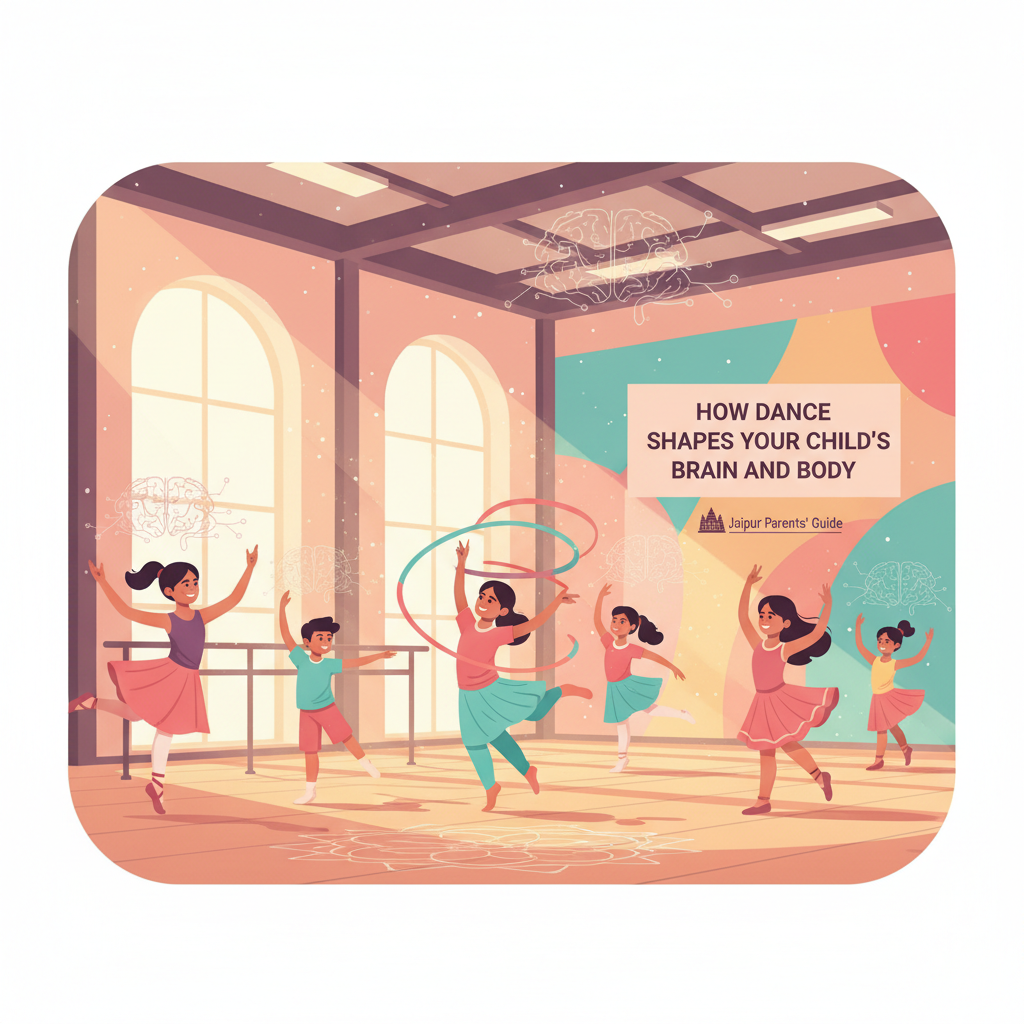
As parents in Jaipur, we’re constantly looking for activities that not only keep our children engaged but also genuinely contribute to their growth. Amidst the many choices, dance often stands out as a vibrant, expressive art form. But beyond the fun, how exactly does dance shape your child's developing brain and body? It’s more profound than you might think.
Many parents, especially those in bustling areas like Vaishali Nagar and Chitrakoot, juggle busy schedules and wonder if adding another activity is truly beneficial or just another commitment. Understanding the deep-seated benefits of dance can help you make an informed decision for your little one.
Key Takeaways
- Dance is a holistic activity that develops cognitive, physical, emotional, and social skills.
- It enhances brain functions like memory, focus, and problem-solving through movement.
- Age-appropriate dance activities are crucial for maximizing developmental benefits.
- Look for programs that prioritize fun, safety, and a nurturing environment over strict technique in early years.
- Small, consistent practices at home can significantly reinforce learning from classes.
The Brain-Body Connection: How Dance Works Its Magic
When your child moves to music, it’s not just their limbs that are active. Their brain is firing on all cylinders, creating new neural pathways. Dance requires coordination, rhythm, memory, and spatial awareness – all complex cognitive functions that are being strengthened simultaneously.
Think about it: a child learning a simple dance step must listen to the music, remember the sequence of movements, coordinate their body parts, and adapt to the space around them. This multi-sensory engagement is a powerful stimulant for brain development.
Cognitive Boosts: Beyond Memorizing Steps
Dance isn't just about repetition; it's about problem-solving. Children learn to interpret instructions, adapt to changes in tempo or choreography, and even improvise. This cultivates creative thinking and quick decision-making. The ability to switch between different types of movements and music also builds cognitive flexibility.
Moreover, the structured environment of a dance class helps children develop focus and discipline. They learn to pay attention to their instructor, follow cues, and work collaboratively with peers. These are skills that transfer directly into academic settings and everyday life.
Physical Prowess: A Wholesome Workout
In an age where screen time often dominates, dance offers a vibrant alternative for physical activity. It’s a full-body workout that improves cardiovascular health, strengthens muscles, and increases flexibility. Unlike some sports that focus on specific muscle groups, dance engages the entire body harmoniously.
For children, especially in a city like Jaipur where outdoor play can sometimes be limited by weather or space, an indoor dance studio provides a safe and stimulating environment for movement. It enhances balance, agility, and motor skills, which are foundational for all physical activities.
"Vinayak is thriving—thanks to the incredible foundation and care he received at Champions Studio! Thank you for always nurturing not just the children but also the trust of every family who walks through your doors. Champions Studio will always hold a special place in our hearts."
Kartikeya R Sharma (parent of Vinayak)Age-by-Age: What to Expect from Dance for Your Child
Just like any developmental activity, dance benefits children differently at various ages. Understanding these stages can help you choose the right program and set realistic expectations.
| Age Range | Developmental Focus | Recommended Activities |
|---|---|---|
| 1-3 years (Toddlers) | Gross motor skills, rhythm, social interaction, sensory exploration. | Parent-and-me classes, free movement, singing and dancing to nursery rhymes. Look for classes like 'Cuddle & Crawl'. |
| 4-6 years (Preschoolers) | Coordination, balance, following simple instructions, creative expression, body awareness. | Creative movement, pre-ballet, basic hip-hop. Focus on fun and imagination. |
| 7-9 years (Early School Age) | Developing technique, memory for sequences, teamwork, self-discipline, musicality. | Beginner ballet, jazz, folk dance, contemporary. Introduction to basic choreography. |
| 10+ years (Pre-Teens & Teens) | Refining technique, exploring different styles, performance skills, artistic expression, strength and flexibility. | Advanced classes in various styles, choreography workshops, opportunities for performance. |
Toddlers (1-3 years): The Joy of Movement
At this age, dance is all about exploration and joy. Structured classes might be too much. Instead, look for parent-and-me style 'Cuddle & Crawl' sessions that encourage free movement, bouncing, swaying, and simple rhythmic activities. The goal is to foster a love for movement and music, not to teach formal steps. These early experiences help develop fundamental motor skills and a sense of rhythm.
Preschoolers (4-6 years): Imagination and Coordination
For preschoolers, dance classes should still be highly imaginative and play-based. They are learning to follow instructions, take turns, and understand basic spatial concepts. Classes that incorporate storytelling, animal movements, and props are ideal. Focus should be on developing coordination, balance, and body awareness in a fun, non-pressured environment. A good instructor will prioritize creative expression over perfect form at this stage.
"Thank you so much! We're very proud of Viaan 😊 Grateful for all your support and guidance. Looking forward to the next milestone! ✨"
Swati Goyal (parent of Viaan & Vayu)Early School Age (7-9 years): Building Foundations
As children enter primary school, they can handle more structured learning. This is a great age to introduce foundational techniques in styles like ballet, jazz, or folk dance. They can memorize longer sequences and understand more complex rhythms. The social aspect of dance becomes more prominent as children learn to work together in groups and appreciate each other's efforts. Performance opportunities, even small ones, can significantly boost confidence.
Pre-Teens & Teens (10+ years): Skill and Self-Expression
Older children can delve deeper into specific dance styles, refine their technique, and explore choreography. Dance becomes a powerful outlet for self-expression and emotional release during these formative years. It also teaches perseverance, goal-setting, and resilience. For families in areas like Raja Park or Vidyadhar Nagar, finding a studio that offers a range of styles can be beneficial as your child's interests evolve.
Choosing a Dance Program: A Parent's Checklist for Jaipur
Parents in Vaishali Nagar often wonder, "How do I choose the right dance class for my child?" It's not just about the nearest studio. Consider these factors:
✅ Your Pre-Enrolment Checklist
- Age Appropriateness: Does the class content match your child's developmental stage? Avoid programs that push advanced technique too early.
- Instructor's Philosophy: Does the instructor prioritize fun, safety, and positive reinforcement, especially for younger children?
- Trial Classes: Can your child try a class before committing? This is invaluable for gauging their interest and comfort.
- Class Size: Smaller classes often mean more individual attention, which can be beneficial for learning.
- Studio Environment: Is the studio clean, safe, and welcoming? Is there adequate space for movement?
- Location and Logistics: For families in Nirman Nagar or Vaishali Nagar, consider commute time and class schedules that fit your family's routine.
- Cost and Structure: Understand the fee structure, including any hidden costs like costumes or performance fees.
A common question from Jaipur families is about the balance between technique and enjoyment. For young children, enjoyment is paramount. A child who loves dancing will naturally develop better technique over time. A strict, overly technical approach too early can stifle their natural creativity and even lead to burnout.
You might find that a place like Champions Studio, with its diverse offerings in C-Scheme, focuses on a holistic approach, blending fun with foundational skills. With activities like Dance, Gymnastics, and even Painting, they understand that children thrive when they can explore various avenues.
Bringing Dance Home: Simple Tips for Parents
Dance isn't just for the studio. You can nurture your child's love for movement and music right in your living room.
- Dance Parties: Put on your child's favorite music and just dance together. Model enthusiasm and free movement.
- Mirror Play: Encourage your child to move in front of a mirror, exploring different shapes and expressions.
- Storytelling Through Movement: Ask your child to act out a story or a character using only their body.
- Rhythm Games: Clap out rhythms, stomp your feet, or use simple instruments to explore beat and tempo.
- Watch and Learn: Watch dance videos or live performances together, discussing what you see and how it makes you feel.
These simple activities reinforce the lessons learned in a formal class and make dance a natural, joyful part of your child's life. Remember, the goal is to foster a positive relationship with movement and self-expression.
Frequently Asked Questions by Jaipur Parents
Q1: Is dance only for girls? My son wants to try.
Absolutely not! Dance is for everyone. It develops physical strength, coordination, and discipline equally for boys and girls. Many famous male dancers are incredible athletes. Encourage your son's interest; it's a fantastic activity for all children.
Q2: My child is shy. Will dance help or make it worse?
Often, dance can be incredibly beneficial for shy children. It provides a structured, safe environment for self-expression without the pressure of verbal communication. Group activities in dance also foster social skills and build confidence over time. Start with smaller classes or parent-and-me options.
Q3: What's the best age to start formal dance classes?
For structured classes focusing on technique, around 4-6 years is a good starting point. Before that, focus on creative movement and rhythm exploration at home or in very informal 'Cuddle & Crawl' type settings. The key is to ensure it's play-based and fun.
Q4: How important is the instructor's background?
Very important, especially for younger children. Look for instructors who have experience teaching children, understand child development, and prioritize a positive, nurturing environment over strict perfection. Certification and experience in their dance style are also a plus.
Q5: My child wants to try many activities. Can dance fit in?
Balancing multiple activities is a common challenge for Jaipur parents. Look for flexible programs. Some studios offer packages where you can try different activities like dance, swimming, or even a study zone, making it easier to explore interests without over-committing. Consider options like Champions Studio's Standard package (3 sessions/week, 1 activity) for an introduction.
Q6: What if my child loses interest?
It's normal for children's interests to shift. Don't force it. Try to understand why they're losing interest – is it the teacher, the style, or just a new fascination? Maybe a change in dance style or a break might help. The goal is to instill a love for movement, not to create a professional dancer.
Conclusion: A Step Towards Holistic Development
Dance offers a unique blend of physical, cognitive, emotional, and social benefits that are invaluable for your child's development. It’s an investment in their well-being, their creativity, and their ability to express themselves confidently. As parents, giving our children these opportunities is one of the greatest gifts we can offer.
If you're a parent in Vaishali Nagar or surrounding areas like Chitrakoot and Nirman Nagar, and you're considering dance for your child, know that you're choosing an activity that truly shapes their entire being. Exploring local options, like the upcoming Champions Studio in Vaishali Nagar, could be a wonderful starting point for your child's rhythmic journey. They also have an established C-Scheme club if that's closer to you.
To learn more about their programs and register your interest for the Vaishali Nagar location, you can visit their website: Register interest for Vaishali Nagar.