Choosing the Right Skating Class for Your Child in Jaipur
A parent's guide to finding the best skating class in Jaipur for your child, covering age, safety, coaching, and what to look for.
By Champions Studio Team · Wed Jun 03 2026
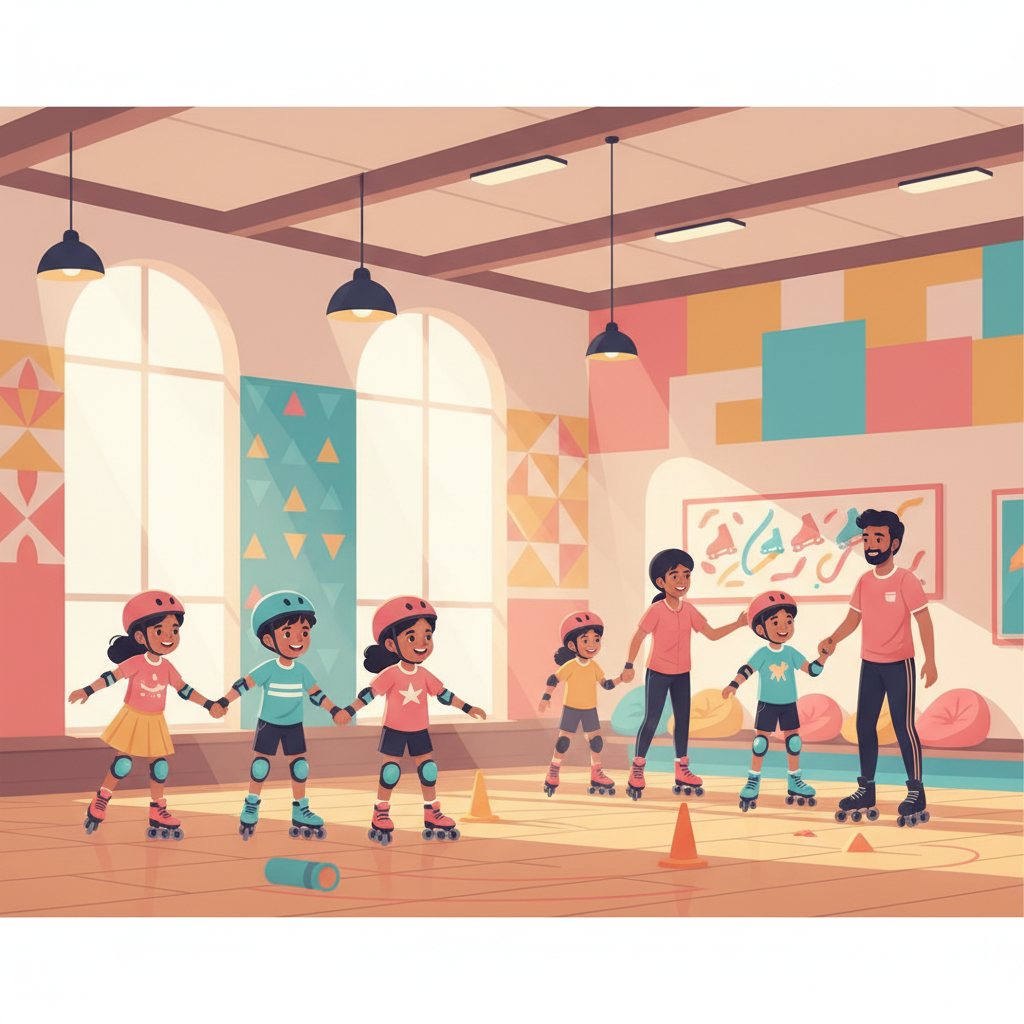
As a parent, watching your child discover a new passion is incredibly rewarding. Skating, with its blend of physical activity, balance, and fun, often captures their imagination. But once they express interest, the next question inevitably becomes: 'How do I find the right class?' Especially in a vibrant city like Jaipur, with many options, navigating the choices can feel a bit overwhelming.
This guide isn't about promoting one place over another, but rather equipping you with the knowledge to make an informed decision that truly benefits your child. We'll explore what makes a good skating program, what to look out for, and how to assess if a class is the right fit for your little one.
Key Takeaways
- Prioritize Safety First: Look for qualified coaches, proper gear requirements, and well-maintained facilities.
- Consider Age Appropriateness: Most children can start around 4-5 years old, but focus on readiness and fun over early mastery.
- Assess Coaching Style: A good coach is patient, encouraging, and understands child development, not just skating techniques.
- Visit and Observe: Don't enrol without seeing a class in action and speaking with staff.
- Logistics Matter: Location, schedule, and cost need to align with your family's lifestyle.
Why Skating? Understanding the Benefits for Your Child
Before diving into selection, let's briefly touch upon why skating is such a fantastic activity for children. It's more than just a pastime; it's a developmental tool.
- Physical Development: Skating significantly improves balance, coordination, strength (especially in the legs and core), and endurance. It's a full-body workout disguised as fun!
- Cognitive Skills: Learning to skate involves problem-solving, spatial awareness, and quick decision-making. Children learn to assess risks and adapt to changing conditions.
- Emotional Growth: Overcoming falls, mastering new skills, and persevering through challenges builds resilience and self-confidence. The sense of accomplishment after learning a new trick is invaluable.
- Social Skills: Group classes offer opportunities for interaction, teamwork, and making new friends, fostering a sense of camaraderie.
When is Your Child Ready to Skate? Age and Readiness
Parents in Jaipur often wonder, 'What's the ideal age to start skating lessons?' While there's no magic number, most children are generally ready to begin formal lessons between 4 and 6 years old.
Before this, focus on developing gross motor skills through play. Look for signs of readiness, such as:
- Good balance and coordination (can hop, skip, run without falling frequently).
- An interest in physical activity and trying new things.
- Ability to follow simple instructions from an adult.
- Comfortable wearing helmets and protective gear.
| Age Group | Developmental Focus | Typical Activities |
|---|---|---|
| 3-4 years | Pre-skating skills: balance, motor control, listening | Play-based activities, standing on skates, very short sessions |
| 4-6 years | Foundational skating: falling safely, standing up, gliding, basic pushes | Structured lessons, games, short practice sessions |
| 7+ years | Skill refinement, speed, turns, stopping, advanced techniques | Progressive lessons, longer sessions, introduction to different styles |
Remember, every child develops at their own pace. The goal is to make it a positive and fun experience, not a race to mastery.
What to Look for in a Skating Class: Key Considerations
1. Safety First: Gear, Facility, and Supervision
This is non-negotiable. Skating involves falls, especially for beginners. A reputable class will prioritize safety above all else.
- Mandatory Safety Gear: Ensure the class requires and enforces the use of helmets, knee pads, elbow pads, and wrist guards. Ask if they provide gear or if you need to purchase your own.
- Facility Condition: Observe the skating surface. Is it smooth, clean, and free of hazards? Is there enough space for children to learn safely without bumping into each other?
- Coach-to-Student Ratio: A lower ratio means more individual attention and better supervision. For young beginners, a ratio of 1:6 or 1:8 is ideal.
- First Aid Preparedness: Are coaches trained in first aid? Is there an accessible first aid kit?
2. Qualified and Engaging Coaches
The coach can make or break your child's experience. Look for someone who is not just skilled at skating but also skilled at teaching children.
- Experience with Children: Do they have a background in child development or teaching? Are they patient, encouraging, and able to adapt their teaching style to different learning paces?
- Communication: Do they explain concepts clearly? Are they approachable for both children and parents?
- Enthusiasm: A passionate coach inspires passion in their students. Observe if they make learning fun and engaging.
- In Jaipur, you might find coaches like Devanshu Gupta, who brings energy and enthusiasm to every skating session, specializing in helping beginners find their balance.
3. Curriculum and Teaching Methodology
A well-structured curriculum progresses logically, building skills step-by-step.
- Focus on Fundamentals: The initial focus should be on falling safely, standing up, balancing, and basic gliding before moving to propulsion and turns.
- Play-Based Learning: Especially for younger children, incorporating games and fun activities keeps them engaged and makes learning feel less like a chore.
- Individualized Attention: Even in a group setting, a good coach will offer feedback and encouragement tailored to each child's needs.
"Vinayak is thriving—thanks to the incredible foundation and care he received at Champions Studio! Thank you for always nurturing not just the children but also the trust of every family who walks through your doors."
Kartikeya R Sharma (parent of Vinayak)4. Class Structure and Schedule
Practical considerations are important for long-term commitment.
- Duration and Frequency: For young children, shorter, more frequent sessions (e.g., 45-60 minutes, 2-3 times a week) are often more effective than one long session.
- Batch Size: Again, smaller batches allow for more personalized instruction.
- Flexibility: Does the program offer makeup classes if your child misses a session?
- Consider the convenience. For instance, if you're in C-Scheme, a facility like Champions Studio at A-4/1, Sardar Patel Marg, C Scheme, Ashok Nagar, Jaipur, might be geographically convenient. Their skating schedule (e.g., Wednesdays 4-5 PM for 4-8 year olds) offers consistency.
5. Cost and Value
Pricing varies, and it's essential to understand what's included.
- Transparent Pricing: Are there hidden fees? Does the fee include gear rental, registration, or event participation?
- Trial Classes: Many places offer a trial class, which is an excellent way to gauge the fit before committing.
- Value for Money: Don't just compare prices; compare what you get for the price – coaching quality, facility, safety standards, and overall experience. For example, some programs might offer different tiers, like a Standard package (₹5000/month for 3 sessions/week, 1 activity) or a Premium (₹8500/month for 6 sessions/week, 4 activities), allowing you to choose based on your child's interest and your budget.
Your Pre-Enrolment Checklist: Questions to Ask
✅ Your Pre-Enrolment Checklist
- About the Coach:
- What is the coach's experience teaching children of this age group?
- Are they certified in first aid?
- About Safety:
- What safety gear is mandatory, and is it provided or rented?
- What is the coach-to-student ratio?
- What is the emergency protocol for injuries?
- About the Program:
- What is the typical class structure for beginners?
- How long is each session, and how many per week?
- Is there a trial class available?
- What are the progression paths for children as they improve?
- Logistics & Cost:
- What is the total monthly fee, and are there any additional costs?
- What is the policy for missed classes or cancellations?
- Are there sibling discounts or multi-activity packages?
Visiting a Skating Class: What to Observe
This step is crucial. Don't just rely on brochures or websites. Schedule a visit during a live class.
- Observe the Interaction: How do coaches interact with children? Are they patient? Encouraging? Do children seem happy and engaged?
- Assess the Energy: Is the atmosphere positive and fun, or overly strict and intimidating?
- Talk to Other Parents: If possible, chat with parents who are already enrolled. Their firsthand experiences can offer invaluable insights.
- Check the Facility: Re-evaluate the cleanliness, maintenance, and overall safety of the skating area.
Common Questions Parents Ask in Jaipur
Q: Are there skating classes near Malviya Nagar or Vaishali Nagar?
A: Yes, Jaipur has several academies spread across the city. Many parents living in areas like Malviya Nagar, Vaishali Nagar, or Mansarovar often find themselves travelling to central locations like C-Scheme or Ashok Nagar for specialized sports training due to better facilities and experienced coaches.
Q: What type of skates should my child use – roller skates or inline skates?
A: For beginners, especially younger children, traditional quad roller skates (with four wheels in a two-by-two configuration) are often recommended as they offer more stability. Inline skates (with wheels in a single line) are faster and more maneuverable, usually introduced once basic balance and control are established. Most beginner classes will start with quads.
Q: My child is very shy. Will they enjoy a group class?
A: A good coach understands child psychology. They will create an inclusive environment and use games to encourage interaction. A smaller class size can also be beneficial for shy children. A trial class is an excellent way to see how your child adapts.
Q: How long does it take for a child to learn to skate?
A: Learning to skate is a journey, not a destination. Most children can learn basic gliding and stopping within a few weeks to a couple of months of consistent practice. Mastering more advanced skills takes longer. Consistency and a positive attitude are key.
Q: What if my child falls a lot? Is that normal?
A: Absolutely! Falling is a natural and essential part of learning to skate. A good class will teach children how to fall safely first. It builds resilience and helps them understand how to recover and try again. As long as they are wearing proper safety gear, minor falls are part of the process.
Q: Can my child try other activities alongside skating?
A: Many centers, like Champions Studio, offer a variety of activities under one roof, such as Fitness, Swimming, Music, Basketball, Dance, and even Chess. This allows children to explore different interests and develop a range of skills without extensive travel between locations. You might find packages like their Deluxe option (₹14000/month for 6 sessions/week, 6 activities) beneficial for a diverse experience.
Making the Final Decision
Choosing a skating class is a personal decision. Trust your instincts as a parent. The best class is the one where your child feels safe, supported, and excited to learn. It's about fostering a love for activity and building confidence, not just perfecting a skill.
By considering these factors and doing your homework, you'll be well-equipped to find a skating program in Jaipur that lights up your child's world and helps them glide towards new achievements. If you're exploring options, places like Champions Studio, located conveniently in C-Scheme, offer structured programs with experienced coaches like Devanshu Gupta, focusing on a fun and safe learning environment for children aged 4-8 years, among other age groups and activities.