Choosing the Right Fitness Class for Your Child in Jaipur
A parent's guide to selecting age-appropriate and engaging fitness classes for children in Jaipur, considering safety, fun, and long-term benefits.
By Champions Studio Team · Sun May 03 2026
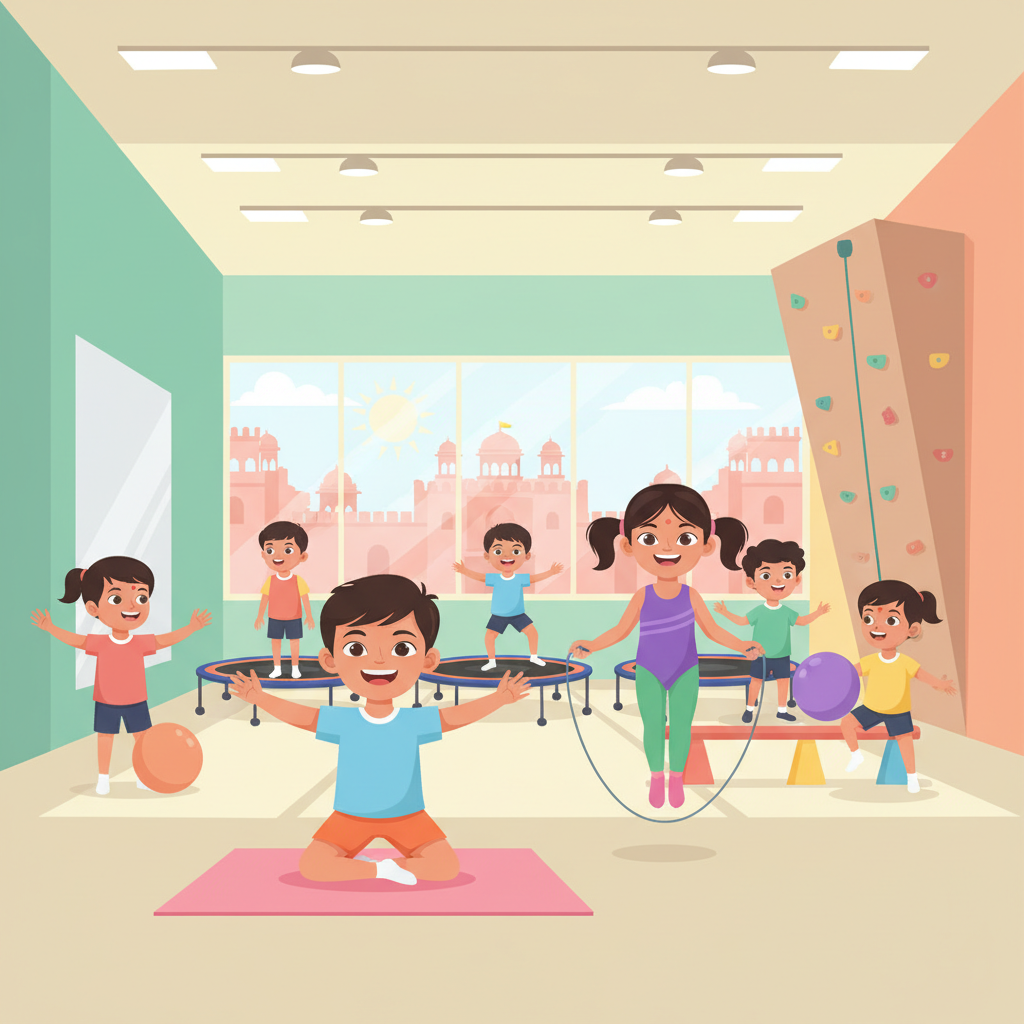
As parents in Jaipur, we constantly juggle schedules, school, and the desire to give our children the best opportunities. One area that often sparks questions is physical activity beyond school sports. How do you choose a fitness class that’s not just a time-filler, but genuinely beneficial for your child?
It’s not just about burning energy; it’s about fostering a love for movement, building confidence, and developing crucial motor skills. With so many options available across C-Scheme, Malviya Nagar, Vaishali Nagar, and Mansarovar, making an informed decision can feel overwhelming. Let’s break down what truly matters.
Key Takeaways
- Prioritize fun and engagement over intense competition for younger children.
- Look for coaches who understand child development and positive reinforcement.
- Consider the class structure, safety measures, and facility hygiene.
- Age-appropriateness is crucial for skill development and injury prevention.
- Don't be afraid to ask detailed questions and observe a class.
Why is Early Fitness Important for Children?
Childhood is a critical window for developing physical literacy – the motivation, confidence, physical competence, knowledge, and understanding to value and take responsibility for engagement in physical activities for life. Regular physical activity contributes significantly to a child's overall well-being, far beyond just physical health.
It helps in developing stronger bones and muscles, improving balance and coordination, and maintaining a healthy weight. Beyond the physical, it boosts self-esteem, reduces stress, and enhances cognitive function, which can even positively impact academic performance. For children in Jaipur, where outdoor play can be limited by heat or space, structured fitness classes offer a vital outlet.
What to Look for in a Children's Fitness Program
When you start exploring options, it's easy to get swayed by flashy marketing. Instead, focus on these core elements:
1. Age-Appropriate Curriculum and Activities
This is perhaps the most crucial factor. A program designed for a 3-year-old will look very different from one for a 9-year-old. Younger children thrive on play-based activities, imagination, and fundamental movement skills. Older children can handle more complex instructions, team dynamics, and skill-specific training.
| Age Group | Focus Areas | Example Activities |
|---|---|---|
| 2-4 Years (Toddlers/Preschoolers) | Fundamental movement, gross motor skills, imaginative play, social interaction | "Cuddle & Crawl" (parent-child), simple obstacle courses, running, jumping, throwing, catching soft balls, music & movement |
| 4-6 Years (Early Childhood) | Refining motor skills, balance, coordination, following multi-step instructions, basic sports concepts, creative expression | Gymnastics, dance, yoga, non-competitive games, "Little Makers" (creative movement), initial swimming lessons |
| 7-9 Years (Middle Childhood) | Skill development, teamwork, strategy, endurance, strength building (bodyweight), sport-specific fundamentals | Soccer, basketball, badminton, chess (for mental fitness), more structured dance/gymnastics, swimming, skating |
| 10+ Years (Pre-Teens) | Advanced skill development, endurance, strength training (supervised), strategic play, leadership, specialized sports | Team sports, individual sports like tennis/badminton, advanced dance/gymnastics, fitness classes focusing on strength/cardio, pickleball |
A good program won't push children into competitive scenarios too early. The emphasis should be on participation, effort, and personal improvement.
2. Qualified and Engaging Coaches
The coach makes all the difference. For children, a coach isn't just an instructor; they're a mentor, a motivator, and sometimes even a playmate. Look for coaches who:
- Understand Child Development: They know how children learn, what motivates them, and how to manage group dynamics positively.
- Are Enthusiastic and Patient: Energy is contagious, and patience is paramount, especially with younger or less coordinated children.
- Prioritize Safety: They should be knowledgeable about child-appropriate exercises and injury prevention.
- Communicate Effectively: Both with children and with parents, providing feedback and updates.
- Use Positive Reinforcement: Encouraging effort and progress is far more effective than focusing on mistakes.
For instance, coaches like Roshan Sikdar, known for making fitness fun and accessible, or Savita Sharma, who focuses on developing hand-eye coordination in racquet sports, exemplify the kind of dedicated and child-focused instruction that truly benefits children.
3. Focus on Fun and Engagement
If it's not fun, your child won't stick with it. Children learn and develop best through play. A fitness class shouldn't feel like a chore or a demanding training session. It should be an exciting part of their week they look forward to.
Look for programs that incorporate games, music, imagination, and variety into their routines. This keeps children engaged and helps them develop a positive association with physical activity that can last a lifetime.
4. Safety and Facility Standards
This is non-negotiable. Visit the facility before enrolling. Ask yourself:
- Is the space clean and well-maintained?
- Is the equipment appropriate for children and in good condition?
- Are there clear safety protocols in place (e.g., first aid, supervision ratios)?
- Are emergency exits clear?
- Is there good ventilation and lighting?
Especially for activities like swimming or gymnastics, inquire about instructor certifications and safety precautions specific to those disciplines.
5. Class Size and Supervision
Smaller class sizes generally mean more individualized attention and better supervision. Ask about the coach-to-child ratio, particularly for younger age groups. Adequate supervision is crucial for ensuring safety and effective instruction.
Practical Considerations for Parents in Jaipur
Beyond the program itself, logistical aspects play a big role in sustainability.
Location and Commute
Jaipur traffic can be challenging. Consider how far the facility is from your home or your child's school. A conveniently located center in areas like C-Scheme, Malviya Nagar, Vaishali Nagar, or Ashok Nagar will make it much easier to stick to the schedule. For example, a center like Champions Studio at A-4/1, Sardar Patel Marg, C Scheme, is centrally located for many families.
Schedule Flexibility
Does the program offer timings that fit your family's routine? Many centers offer classes in the late afternoon or on weekends. For example, a fitness class for 3-4 year olds might run on Monday, Wednesday, and Friday afternoons at 4:00 PM, which works well for preschooler schedules.
Cost and Value
Investment in your child's development is important, but it needs to be sustainable. Compare pricing structures. Some offer monthly packages, while others might have session-based fees. What's included? Are there trial classes? For example, some programs might offer a Standard plan with 3 sessions/week for ₹5000/month, while a Deluxe plan could offer 6 sessions/week across multiple activities for ₹14000/month. Evaluate what gives you the best value for your child's needs and your budget.
Trial Classes and Observation
Before committing, ask if your child can attend a trial class or if you can observe a session. This is invaluable. You'll get to see the coach in action, observe the children's engagement, and gauge the overall atmosphere. Your child's comfort and enthusiasm during a trial are strong indicators.
"Vinayak is thriving—thanks to the incredible foundation and care he received at Champions Studio! Thank you for always nurturing not just the children but also the trust of every family who walks through your doors."
Kartikeya R Sharma (parent of Vinayak)Questions to Ask Before Enrolling
Don't hesitate to ask questions. A reputable facility will be happy to provide detailed answers.
- What is the coach's experience and certification in working with children?
- What is the typical class size and coach-to-child ratio?
- How do you handle children who are shy or uncooperative?
- What are your safety protocols, especially for specific activities like swimming or gymnastics?
- Can we do a trial class?
- What is your philosophy on competition vs. participation for this age group?
- How do you communicate progress or concerns to parents?
- What are the procedures for illness or missed classes?
- Are there opportunities for children to try different activities, like Dance, Music, or Art, if they discover new interests?
✅ Your Pre-Enrolment Checklist
- Observe a class or attend a trial with your child.
- Confirm coach qualifications and experience with children.
- Verify safety measures and facility hygiene.
- Discuss age-appropriateness of activities.
- Understand pricing and cancellation policies.
- Check the coach-to-child ratio.
- Ensure the schedule and location are convenient.
- Talk to other parents, if possible.
Popular Activities and What They Offer
Jaipur offers a diverse range of activities. Here's a quick look at what some popular options can provide:
- Fitness & Gymnastics: Builds strength, flexibility, balance, and coordination. Great for overall physical development. Coaches like Yogesh are dedicated to engaging children through activities.
- Swimming: A crucial life skill! Develops endurance, strength, and coordination. Many places like Champions Studio offer dedicated swimming programs.
- Skating: Enhances balance, coordination, and leg strength. Devanshu Gupta, for example, brings great energy to skating sessions for beginners.
- Dance: Promotes rhythm, coordination, body awareness, and creative expression. Kaushik Ghatak's passion for movement can inspire young dancers.
- Basketball & Soccer: Excellent for teamwork, agility, speed, and strategic thinking.
- Badminton & Pickleball: Good for hand-eye coordination, reflexes, and cardiovascular health.
- Music & Art: While not strictly 'fitness', these develop fine motor skills, creativity, and cognitive abilities, often offered alongside physical activities. Vandana Siyotra introduces children to music, and Priya Suthar nurtures creativity in art.
- Chess: A fantastic mental 'fitness' activity, improving concentration, problem-solving, and strategic thinking.
- Study Zone: Some centers offer a quiet place for homework, like Sandhya Garg's focused environment, allowing children to complete academic tasks before or after their physical activities.
Parents in Jaipur often wonder if they should specialize early. For most children, especially under 10, a variety of activities is more beneficial. It helps develop a broader range of skills and prevents burnout from early specialization.
A Common Question: How many activities are too many?
It's tempting to fill your child's schedule, but over-scheduling can lead to stress and exhaustion. Aim for balance. One to three structured activities per week, combined with free play, is often ideal. Observe your child for signs of fatigue or disinterest. Their well-being comes first.
Choosing the right fitness class for your child in Jaipur is about finding a balance between fun, safety, skill development, and practical logistics. It's an investment in their physical and mental health that will pay dividends for years to come.
Remember, the goal is to ignite a lifelong love for movement, not to create an Olympic athlete overnight. By focusing on age-appropriateness, engaging coaches, and a supportive environment, you can make an informed decision that truly benefits your child.
If you're exploring options in Jaipur, consider visiting Champions Studio. Their programs, including Fitness, Swimming, Skating, Music, Dance, and various sports, are designed with child development in mind, offering a nurturing environment for children from toddlers to pre-teens. You can explore their activities and see if it aligns with your family's needs.
Frequently Asked Questions About Kids' Fitness Classes in Jaipur
Q1: At what age should my child start structured fitness classes?
A: Children can begin structured movement classes as early as 2-3 years old, often in parent-child formats like "Cuddle & Crawl." These focus on fundamental movements and social interaction. More independent classes typically start around 4-5 years, depending on the child's readiness.
Q2: How do I know if a coach is good for my child?
A: Look for enthusiasm, patience, clear communication with both children and parents, and a focus on positive reinforcement. A good coach understands child development and prioritizes safety and fun over fierce competition. Observing a class is the best way to assess this.
Q3: My child is shy. How can I help them adjust to a new class?
A: Start with a trial class. Talk positively about the new activity at home. If possible, choose a class with a friend. Arrive early to allow your child to get comfortable with the space. A supportive coach who offers gentle encouragement can make a big difference.
Q4: What's the difference between a "Standard" and "Deluxe" package at places like Champions Studio?
A: Typically, the difference lies in the number of sessions per week and the variety of activities included. For example, a Standard plan might offer 3 sessions/week for one activity, while a Deluxe plan could include 6 sessions/week across multiple activities like Fitness, Swimming, and Dance, offering more comprehensive engagement.
Q5: Are there options for academic support alongside physical activities in Jaipur?
A: Yes, some centers understand the need for academic balance. For instance, Champions Studio offers a "Study Zone" with a coach like Sandhya Garg, where children can complete homework in a focused environment before or after their fitness classes.
Q6: Should my child specialize in one sport early, or try many?
A: For most children under the age of 10-12, trying a variety of sports and activities is generally recommended. This helps develop a broader range of motor skills, reduces the risk of burnout or overuse injuries, and allows children to discover what they truly enjoy before specializing.