Choosing the Right Painting Class for Your Child in Jaipur
Discover how to pick the perfect painting class for your child in Jaipur. Learn about age-appropriate activities, what to ask, and key considerations.
By Champions Studio Team · Tue May 05 2026
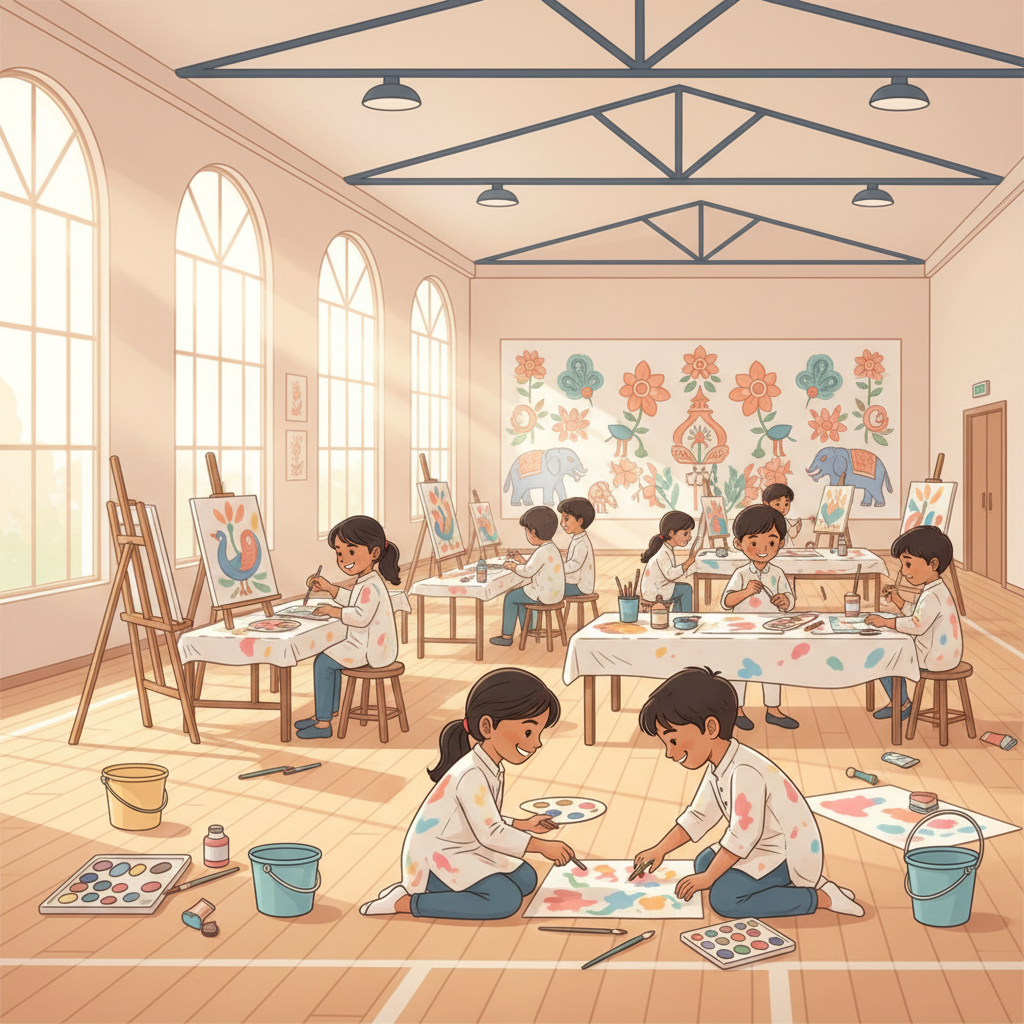
As parents, we often look for ways to spark our children's creativity and help them express themselves. Painting classes can be a wonderful avenue for this, offering much more than just learning to hold a brush. It’s about developing fine motor skills, boosting confidence, and even helping with emotional regulation. But with so many options available in a vibrant city like Jaipur, how do you choose the one that’s truly right for your child?
It’s easy to feel overwhelmed by the choices, from small home-based studios to larger activity centers in areas like C-Scheme or Malviya Nagar. This guide aims to equip you with the insights and questions you need to make an informed decision, focusing on what genuinely benefits your child.
Key Takeaways
- Focus on Process, Not Product: For younger children, the joy of creation matters more than a perfect masterpiece.
- Age-Appropriate Learning: Ensure the class curriculum and environment match your child's developmental stage.
- Observe the Instructor: A good teacher fosters curiosity and provides positive reinforcement.
- Consider Logistics: Location (e.g., Vaishali Nagar, Ashok Nagar), schedule, and class size are practical factors.
- Trial Classes are Key: Whenever possible, let your child experience a session before committing.
Why Painting Matters: Beyond Just Art
Before diving into selection, let's briefly touch upon the immense benefits painting offers. It's not just a hobby; it's a powerful developmental tool. When your child mixes colors, draws lines, or creates shapes, they are engaging multiple parts of their brain.
- Fine Motor Skill Development: Holding brushes, mixing paints, and drawing intricate details all refine hand-eye coordination and dexterity.
- Creative Expression: Art provides a non-verbal outlet for emotions and ideas, which is especially important for children who might not yet have the vocabulary to express complex feelings.
- Problem-Solving: Deciding what colors to use, how to blend them, or how to represent an object on paper involves critical thinking.
- Confidence Boost: Completing an artwork, no matter how simple, gives children a sense of accomplishment and pride.
- Sensory Exploration: The textures of paint, the feel of the brush, and the vibrant colors offer rich sensory experiences.
Understanding Age-Appropriate Art Activities
One of the biggest mistakes parents make is expecting a 4-year-old to create a landscape painting worthy of a gallery. Children's artistic development follows stages, and a good class will respect these.
For Younger Children (2-5 years: The Scribble & Explore Stage)
At this age, it's all about exploration and sensory experience. They are learning cause and effect – 'If I rub the crayon here, it makes a mark.' They enjoy the process of making a mess and experimenting with colors and textures. Focus should be on:
- Free Exploration: Lots of open-ended art, without strict instructions.
- Sensory Play: Finger painting, playdough, large brushes, and big sheets of paper.
- Simple Tools: Chunky crayons, washable paints, and safe materials.
- No Pressure: The 'product' is irrelevant; the joy of creation is everything.
"Vinayak is thriving—thanks to the incredible foundation and care he received at Champions Studio! Thank you for always nurturing not just the children but also the trust of every family who walks through your doors."
Kartikeya R Sharma (parent of Vinayak)For Middle Childhood (6-9 years: The Schematic Stage)
Children in this age group start drawing recognizable figures and objects, though often with their own unique interpretations (e.g., a house with a giant sun). They are developing fine motor control and can follow more complex instructions. They enjoy:
- Themed Projects: Creating specific art pieces, but with room for individual flair.
- Learning Techniques: Introduction to different brush strokes, color mixing, and basic drawing concepts.
- Variety of Mediums: Watercolors, tempera, pastels, and even simple crafts.
- Encouragement, Not Correction: Guiding them to improve, rather than telling them their art is 'wrong.'
For Older Children (10+ years: The Realistic Stage)
Around this age, children become more critical of their own work and often want their art to look 'real.' They can handle more detailed instructions and are ready for more advanced techniques. They benefit from:
- Skill-Building: Learning perspective, shading, figure drawing, and advanced color theory.
- Diverse Art Forms: Exploring charcoal, acrylics, oil pastels, and even sculpting or digital art.
- Portfolio Development: For those who show serious interest, creating a collection of their best work.
- Mentorship: A teacher who can challenge them and provide constructive feedback.
| Age Group | Key Focus | Typical Activities |
|---|---|---|
| 2-5 years | Sensory Exploration, Free Play | Finger painting, large scribbles, playdough, tearing paper |
| 6-9 years | Basic Techniques, Themed Projects | Watercolors, tempera, drawing recognizable figures, simple crafts |
| 10+ years | Skill Development, Advanced Mediums | Acrylics, shading, perspective, detailed drawing, art history |
What to Look for in a Painting Class in Jaipur
When you start researching options, whether it's near Mansarovar, C-Scheme, or Malviya Nagar, keep these crucial aspects in mind.
1. The Instructor: More Than Just an Artist
A great art teacher for children isn't just a talented artist; they're also a patient and encouraging educator. Look for someone who:
- Understands Child Development: They know what to expect from different age groups and tailor activities accordingly.
- Fosters Creativity: They encourage individual expression rather than enforcing a rigid 'copy-me' style.
- Provides Positive Reinforcement: They celebrate effort and progress, not just a perfect outcome.
- Is Approachable and Engaging: Children should feel comfortable asking questions and expressing ideas.
For instance, someone like Suryanshi Bandua, who coaches painting for 4-8 year olds at Champions Studio, encourages young artists to see the world through creative eyes and guides children in exploring different mediums and techniques. Similarly, Priya Suthar creates a warm and nurturing space for little ones to explore art and creativity.
2. The Curriculum and Approach: Process vs. Product
This is perhaps the most important distinction. A good children's art class emphasizes the process of creation – the exploration, the experimentation, the joy of making – over the final product. Be wary of classes that promise 'masterpieces' from very young children or focus solely on copying existing images.
- Open-Ended Projects: Do children get to make their own choices about colors, subjects, and styles?
- Variety of Mediums: Does the class introduce different materials like watercolors, acrylics, pastels, and even mixed media?
- Age-Appropriate Challenges: Are the activities stimulating but not frustrating for the age group?
3. Class Environment and Size
The physical space and the number of students can significantly impact your child’s experience.
- Safety and Cleanliness: Is the studio well-maintained, with child-safe materials and proper ventilation?
- Inspiration: Does the space feel vibrant, with examples of children's art displayed?
- Class Size: Smaller classes (ideally 8-12 children for younger groups) allow for more individual attention from the instructor.
- Materials Provided: Does the fee include all necessary supplies, or will you need to purchase them separately?
4. Location and Schedule: Practical Considerations
Parents in Jaipur often wonder about convenience. Finding a class that fits into your family's busy schedule and is easily accessible is key to long-term commitment.
- Proximity: Is the studio conveniently located near your home or work, perhaps in areas like C-Scheme, Ashok Nagar, or Vaishali Nagar?
- Flexible Timings: Do they offer various slots? For example, Champions Studio offers painting classes for 4-8 year olds on multiple days and times, like Wednesdays from 6-7 PM, Tuesdays from 4-5 PM, and Saturdays from 3-4 PM.
- Trial Classes: Can your child attend a trial session to see if they enjoy it before you commit to a full enrollment?
✅ Your Pre-Enrolment Checklist
- Observe a Class: Can you watch a session in progress?
- Meet the Instructor: Talk to them about their philosophy and approach.
- Ask About Class Size: What is the student-to-teacher ratio?
- Inquire About Curriculum: Is it process-oriented or product-oriented?
- Check Safety Protocols: Especially for younger children.
- Understand Pricing: What's included in the fee (materials, trial classes)?
- Gauge Your Child's Interest: Does your child seem excited about the prospect?
Questions to Ask Before Enrolling
Parents in Jaipur often wonder about specifics. Here are some questions you can ask the art studio or instructor:
- "What is your teaching philosophy for this age group? Do you focus more on guiding or on allowing free exploration?"
- "How do you handle children who are hesitant or get frustrated during art activities?"
- "What kind of materials and mediums will be introduced in the class?"
- "What is the typical class size, and how much individual attention can my child expect?"
- "Do you offer trial classes or single-session drop-ins?"
- "What are the safety measures in place, especially regarding art supplies and supervision?"
- "Can you share examples of children's work from previous classes?"
"Congratulations Sonam! We truly have good memories at your place and kids will never forget! Sasha is now focused on tennis and Soham exclusively on art which we discovered his talent at your place 🙏"
Diane Singh (parent of Soham & Sasha)Practical Tips for Parents
- Involve Your Child: Let them have a say in choosing the class if they're old enough. Their enthusiasm is crucial.
- Start Small: You don't need to sign up for an intensive, year-long program right away. A short course or a few trial classes are a great start.
- Manage Expectations: Remember, the goal is not to produce a prodigy, but to foster creativity and enjoyment.
- Celebrate Their Art: Display their creations at home, no matter how abstract. This validates their efforts.
- Don't Compare: Every child's artistic journey is unique. Avoid comparing your child's work to others.
Considering Champions Studio for Painting Classes in Jaipur
If you're looking for options, especially around C-Scheme or Ashok Nagar, Champions Studio is one place that focuses on nurturing creativity in a supportive environment. They offer painting classes for children aged 4-8 years, with flexible schedules throughout the week. Their instructors, like Suryanshi Bandua and Priya Suthar, are dedicated to encouraging exploration and individual expression.
Their approach emphasizes the process of art-making, providing a space where children can experiment with different mediums and techniques without pressure. They understand that for young children, the joy of creating is paramount. With options like their standard plan (3 sessions/week, 1 activity at ₹5000/month) or more comprehensive plans, you can find something that fits your child's interest and your family's schedule. This allows for a focused art experience, or even combining it with other activities like dance or fitness if your child has varied interests.
Ultimately, the right painting class is one where your child feels safe, inspired, and excited to create. By focusing on the instructor's approach, the class environment, and your child's developmental stage, you can confidently choose an art program that truly enriches their life.
Frequently Asked Questions About Kids' Painting Classes in Jaipur
Q1: What's the ideal age to start painting classes for my child?
A: Children can benefit from art exploration as early as 2-3 years old, but these classes are typically more about sensory play and free expression. Structured painting classes, where they learn basic techniques, usually start around 4-5 years old. The key is to find a class that aligns with their developmental stage, focusing on process over product for younger kids.
Q2: How do I know if a painting class is process-oriented or product-oriented?
A: A process-oriented class will emphasize experimentation, choice of colors/materials, and the joy of creation, often resulting in unique artworks from each child. A product-oriented class might have all children creating nearly identical pieces by following strict, step-by-step instructions. Ask the instructor about their philosophy and observe a class if possible. Look for classes that celebrate individual expression.
Q3: What should I look for in a painting instructor for my child?
A: Beyond artistic skill, look for patience, enthusiasm, and an understanding of child psychology. A good instructor encourages creativity, offers positive reinforcement, and makes learning fun. They should be able to guide without dictating and adapt to different learning styles. Coaches like Suryanshi Bandua and Priya Suthar at Champions Studio exemplify this approach.
Q4: Are all art supplies usually included in the class fee in Jaipur?
A: This varies by studio. Some, like Champions Studio, often include materials, especially for painting classes for younger children. Others might require you to purchase a supply kit. Always clarify this before enrolling to understand the total cost. It's a good question to ask when you call or visit.
Q5: My child is shy. Will a painting class help them open up?
A: Yes, painting can be a wonderful way for shy children to express themselves in a non-verbal, low-pressure environment. The focus on creative output can build confidence. A nurturing instructor and a smaller class size (which is often available in setups like Champions Studio in C-Scheme) can also make a significant difference in helping them feel comfortable and engaged.
Q6: How important is the location of the art class in Jaipur?
A: Location is quite important for consistency. Choosing a studio that's conveniently located, perhaps in areas like C-Scheme, Malviya Nagar, Vaishali Nagar, or Ashok Nagar, reduces travel time and makes it easier to stick to the schedule. Consider your daily commute and other commitments when making your choice. Champions Studio, for example, is centrally located in C-Scheme, making it accessible for many families in Jaipur.