Choosing the Right Music Class for Your Child in Jaipur
A parent's guide to finding the perfect music class in Jaipur, covering age-appropriate options, key questions, and practical advice.
By Champions Studio Team · Wed Jul 01 2026
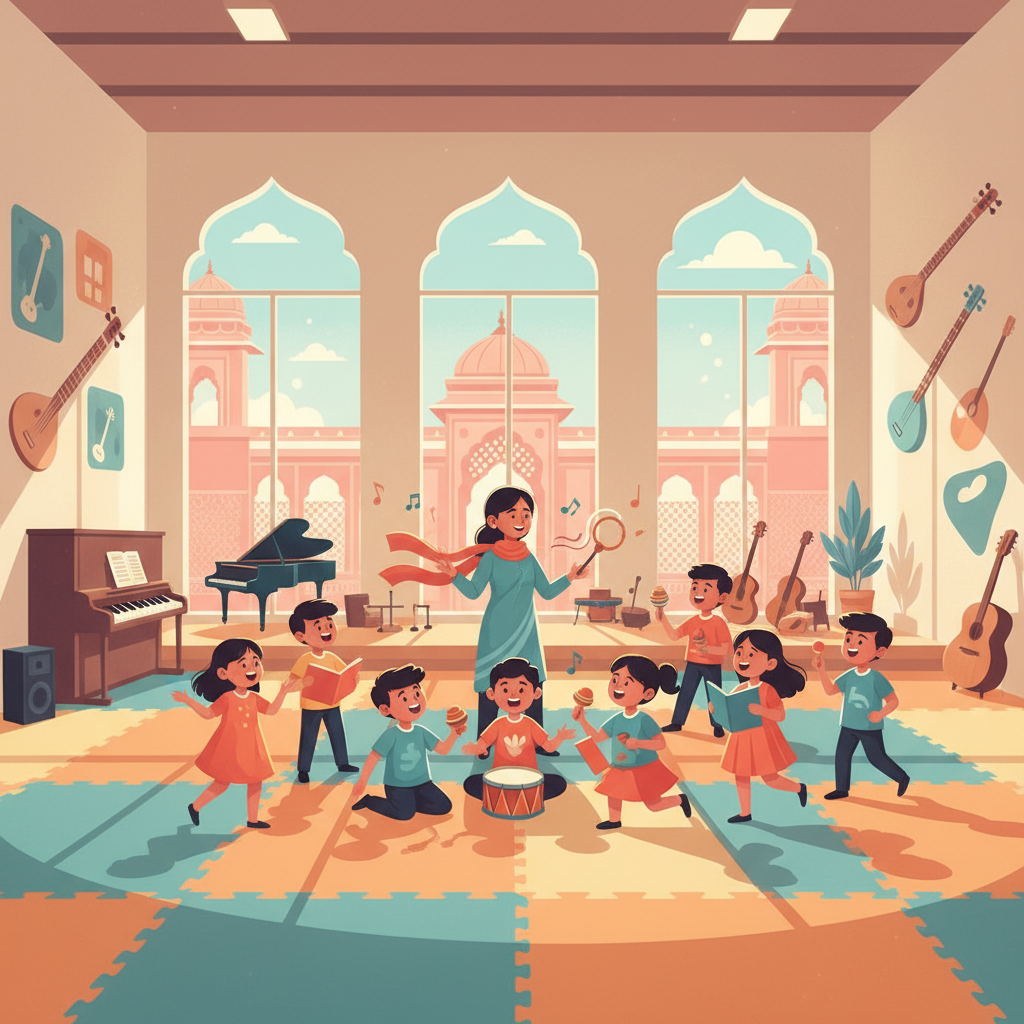
As parents, we often dream of our children discovering a passion, and for many, music holds a special allure. The idea of your little one strumming a guitar, gracefully playing the piano, or confidently singing their heart out can be incredibly appealing. But with so many options available in a vibrant city like Jaipur, deciding where and how to introduce your child to the world of music can feel a bit overwhelming.
It’s not just about finding a class; it’s about finding the right class – one that sparks joy, fosters curiosity, and lays a positive foundation for a lifelong appreciation of music, rather than turning it into a chore. This guide aims to help you navigate the choices, understand what truly matters, and make an informed decision for your child.
Key Takeaways
- Start with Play: For younger children (under 5), focus on exposure, rhythm, and fun, not formal instrument instruction.
- Consider Your Child's Temperament: Match the class style to their personality – are they collaborative or prefer individual focus?
- Look for Qualified & Engaging Teachers: A good teacher is patient, inspiring, and understands child development.
- Prioritize Accessibility: Location (e.g., near C-Scheme, Malviya Nagar, or Vaishali Nagar) and scheduling are crucial for consistency.
- Ask the Right Questions: Inquire about curriculum, class size, performance opportunities, and trial classes.
Understanding Age-Appropriate Music Exploration
One of the biggest misconceptions parents have is that 'music class' always means learning an instrument. For very young children, this isn't usually the most beneficial approach. Their developmental stages dictate how they best absorb and interact with music.
| Age Range | Focus & Approach | Example Activities |
|---|---|---|
| 0-2 Years (Cuddle & Crawl) | Sensory exposure, bonding, rhythm awareness. | Lullabies, gentle singing, tapping, listening to diverse music. |
| 3-5 Years (Early Childhood Music) | Exploration, movement, basic concepts, group interaction. | Singing, dancing, simple percussion, music and movement games, story songs. |
| 6-8 Years (Foundational Instruments) | Introduction to specific instruments, basic theory, ear training. | Keyboard, ukulele, recorder, basic drum rhythms, group singing. |
| 9+ Years (Formal Instruction) | Structured instrument learning, advanced theory, ensemble playing. | Piano, guitar, violin, vocal training, band/orchestra preparation. |
For parents in Jaipur, understanding this progression is key. A class for a 4-year-old should look very different from one for a 10-year-old. Early exposure is about igniting a spark, not mastery.
What to Look For in a Music Program
Beyond the age-appropriateness, several factors contribute to a high-quality music learning experience. Think of these as your checklist when evaluating different options around localities like Ashok Nagar or Mansarovar.
1. The Teacher's Approach and Qualifications
The instructor is arguably the most crucial element. A passionate, patient, and skilled teacher can make all the difference. Look for:
- Experience with Children: Teaching adults is different from teaching kids. Do they understand child psychology and developmental stages?
- Engaging Methodology: Do they make learning fun? Are they using creative methods, games, and positive reinforcement?
- Musical Expertise: While important, their ability to teach and inspire is often more valuable than their performance accolades.
- Patience and Encouragement: Music learning has its challenges. A good teacher builds confidence, not frustration.
"Vandana Siyotra introduces children to the joy of music with patience and care. Helps young learners discover rhythm and melody."
A parent's observation of a music coach2. Curriculum and Learning Philosophy
Does the program align with your goals for your child? Some questions to consider:
- Play-Based vs. Structured: For younger kids, play-based learning is often more effective. For older children, a structured curriculum might be better.
- Group vs. Individual: Group classes can foster social skills and ensemble playing, while individual lessons offer personalized attention.
- Instrument Focus: Are they starting with general music exploration or immediately diving into a specific instrument?
- Theory Integration: How is music theory taught? Is it abstract or integrated practically into playing?
3. Class Environment and Resources
The physical space and available tools play a role in the learning experience.
- Safety and Comfort: Is the space clean, safe, and child-friendly?
- Appropriate Instruments: Are the instruments well-maintained and sized appropriately for children?
- Technology Integration: Do they use modern tools, apps, or digital resources to enhance learning?
- Atmosphere: Does it feel welcoming, stimulating, and conducive to learning?
4. Flexibility and Logistics
Let's be real – parenting in Jaipur involves juggling many commitments. Practicality matters for long-term consistency.
- Location: Is the studio conveniently located, perhaps in C-Scheme, Malviya Nagar, or Vaishali Nagar, making drop-offs and pick-ups manageable?
- Schedule: Do the class timings fit your family's routine without causing undue stress?
- Class Size: For group classes, smaller sizes often mean more individual attention.
- Cost: Understand the fee structure, what it includes (materials, performance fees), and if it aligns with your budget. Remember, consistency is better than an expensive, short-lived experience.
Questions to Ask Before Enrolling
When you visit a music studio or speak with an instructor, come prepared with questions. This shows you're engaged and helps you gather crucial information.
✅ Your Pre-Enrolment Checklist
- What is the typical class size for this age group?
- What specific teaching methods or music philosophies do you follow?
- How do you handle children who are struggling or losing interest?
- Are there opportunities for children to perform or showcase their learning?
- What kind of practice is expected at home, especially for instrument learners?
- Can we observe a class or arrange a trial session?
- What is your fee structure, and what is included in the cost?
- What is the instructor's background and experience with children?
- How do you communicate with parents about their child's progress?
- What is your policy on make-up classes or cancellations?
Practical Tips for Parents in Jaipur
Finding the right fit often involves a bit of observation and intuition.
1. Start with a Trial Class (if available)
This is invaluable. It allows your child to experience the environment, meet the teacher, and see if it sparks their interest without a long-term commitment. Many studios, including Champions Studio, offer trial sessions for various activities like music or dance.
2. Observe Your Child's Reaction
After a trial class, ask your child about their experience. Did they enjoy it? Were they engaged? Did they talk about the teacher or the activities? Their enthusiasm (or lack thereof) is a strong indicator.
3. Don't Force It
If your child is resistant, pushing them too hard can backfire. Sometimes, a different instrument, a different teacher, or even waiting a year can make all the difference. The goal is to foster a love for music, not resentment.
4. Support Practice at Home
For instrument learners, consistent (even short) practice at home is crucial. Create a dedicated, quiet space and a routine. Make it positive, not a battle.
5. Expose Them to Diverse Music
Beyond classes, play different genres of music at home – classical, folk, pop, Indian classical, jazz. Attend local concerts or cultural events in Jaipur. The more exposure, the richer their musical world becomes.
"Vinayak is thriving—thanks to the incredible foundation and care he received at Champions Studio! Thank you for always nurturing not just the children but also the trust of every family who walks through your doors."
Kartikeya R Sharma (parent of Vinayak)A Note on Commitment and Pricing
Music education is an investment of time and money. While it's tempting to look for the cheapest option, remember that quality often comes at a price. However, a higher price doesn't automatically guarantee the best fit. Look for value:
- Standard Plan: Typically offers 3 sessions/week with 1 activity. This can be great for focused learning on one instrument or foundational music.
- Deluxe/Premium Plans: These might offer more sessions or multiple activities (like music alongside painting or dance), which can be good for exploring different interests if your child is older or has very high energy. For example, Champions Studio offers plans that include activities like Music with Vandana Siyotra, Painting with Priya Suthar, or Dance with Kaushik Ghatak.
Consider what fits your child's stage and your family's budget for sustained engagement. Consistency over time yields better results than intense, short bursts.
Conclusion
Choosing a music class in Jaipur is a wonderful step towards enriching your child's life. By focusing on age-appropriateness, teacher quality, engaging curriculum, and practical logistics, you can find a program that truly resonates with your child. Remember, the journey is more important than the destination. The goal is to nurture a love for music, providing them with a creative outlet and a skill that will bring joy for years to come.
As you explore options, consider visiting local centers like Champions Studio in C-Scheme, Ashok Nagar. They offer various activities, including music classes with dedicated coaches like Vandana Siyotra, who focuses on introducing children to rhythm and melody with patience and care. It’s always helpful to see their facility and observe a class firsthand to see if it aligns with what you're looking for.
Frequently Asked Questions About Kids' Music Classes in Jaipur
Q: At what age should my child start music lessons?
A: For formal instrument lessons, 6-8 years is often a good starting point as fine motor skills and attention spans develop. However, early childhood music programs (singing, rhythm, movement) can begin as early as infancy (Cuddle & Crawl programs), focusing on exposure and enjoyment.
Q: What’s the difference between group and individual music lessons for kids?
A: Group lessons can be more social, build ensemble skills, and are often more affordable. Individual lessons offer personalized attention and a tailored pace. For beginners, group classes can be less intimidating, while individual lessons might be better for focused instrument learning once a child shows a clear interest.
Q: How long should a music class be for a young child?
A: For children aged 3-5, classes are typically 30-45 minutes to match their attention span. For older children (6+), classes can extend to an hour, incorporating more structured learning and practice.
Q: My child wants to learn an instrument, but I'm not sure which one. How can I help them decide?
A: Encourage exposure to various instruments through videos, concerts, or introductory 'instrument petting zoo' events. Consider starting with an accessible instrument like the keyboard or ukulele, which provides a good foundation for music theory and can be a stepping stone to others. Many general music exploration classes also expose children to different sounds.
Q: How much practice is expected at home for instrument learners?
A: For young beginners, 10-15 minutes of focused practice, 4-5 times a week, is often more effective than one long session. The key is consistency and making it a positive, short activity rather than a chore. As they progress, practice times can gradually increase.
Q: Are there music classes in specific areas of Jaipur like Malviya Nagar or Vaishali Nagar?
A: Yes, Jaipur has a growing number of music schools and activity centers spread across various localities. It's worth searching specifically for 'music classes in Malviya Nagar' or 'music lessons Vaishali Nagar' to find options closest to you. Many centers, like Champions Studio in C-Scheme, serve families from surrounding areas due to their comprehensive offerings.