Finding the Right Music Class for Your Child in Jaipur
Discover how to choose the perfect music class in Jaipur for your child. Learn about age-appropriate activities, what to ask, and practical tips.
By Champions Studio Team · Mon Mar 02 2026
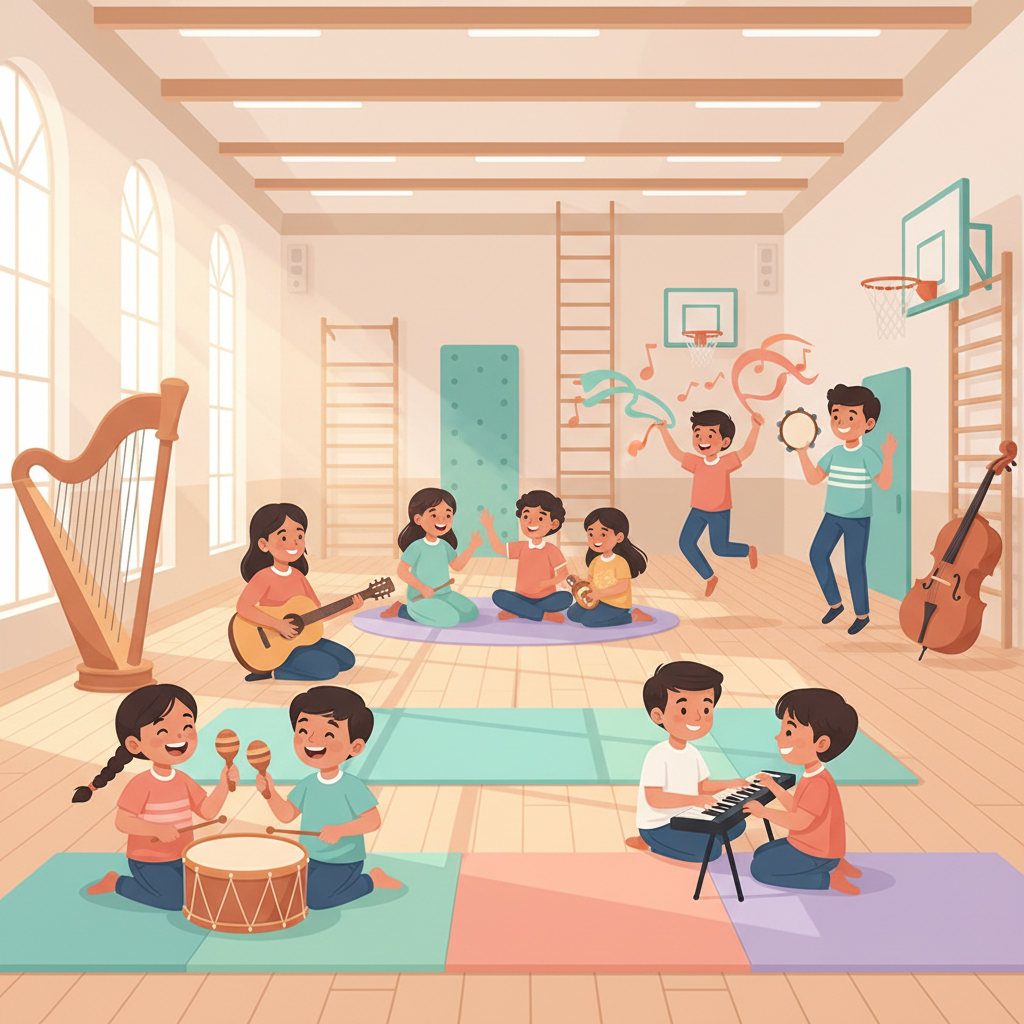
As parents in Jaipur, we’re constantly looking for enriching experiences for our children. Music, with its universal appeal and developmental benefits, often tops that list. But with various options available – from group classes to private lessons, different instruments, and teaching philosophies – how do you navigate the choices and find the right fit for your child?
Key Takeaways
- Start with your child: Observe their interests and temperament before diving into specific instruments.
- Age matters: Group classes for younger children focus on exploration; individual lessons are better for focused instruction.
- Teacher is key: Look for passion, patience, and a child-friendly approach.
- Logistics count: Location, schedule, and cost need to align with your family's reality.
- Trial and observe: A trial class can offer invaluable insight into the environment and teaching style.
Why Music? Understanding the Benefits Beyond Just Playing an Instrument
Before we even discuss specific classes, it's helpful to remember why we encourage music in the first place. It’s more than just learning to play a tune. Music education has profound impacts on a child's development.
Research consistently shows that engaging with music can boost cognitive skills, including memory, problem-solving, and mathematical abilities. The discipline of learning an instrument also fosters patience and perseverance. Beyond academics, music is a powerful tool for emotional expression, stress relief, and building confidence.
For younger children, group music classes are fantastic for developing social skills, rhythm, and coordination. For older kids, mastering an instrument can be a significant source of personal achievement and creativity. Understanding these broader benefits can help you set realistic expectations and appreciate the journey, not just the destination.
Age-Appropriate Music Exploration: What to Expect at Different Stages
One of the most common questions parents in Jaipur ask is, "When is my child ready for music classes?" The answer isn't a single age, but rather a spectrum of readiness and appropriate activities.
Toddlers (1-3 years): The Joy of Sound
For the youngest learners, music is all about sensory exploration and joyful discovery. Structured "parent-and-me" classes or early childhood music programs focus on rhythm, movement, singing, and exploring simple percussion instruments like shakers or drums. The goal here isn't formal instruction but fostering a love for music and developing basic auditory and motor skills. Look for classes that encourage free movement and playful interaction.
Preschoolers (3-5 years): Group Fun and Foundation
At this age, children can participate more actively in group settings. They can follow simple instructions, sing short songs, and understand basic concepts like fast/slow or loud/soft. Group classes often incorporate storytelling, movement, and introductory exposure to various instruments. This is a fantastic time to build a foundation for rhythm, pitch, and listening skills in a social environment. Formal instrument lessons are usually still a bit early, as fine motor skills and attention spans are developing.
Early School Years (5-7 years): First Instruments and Growing Focus
Many children show a keen interest in a specific instrument around this age. While fine motor skills are still developing, some children can begin introductory piano or ukulele lessons. Group classes remain beneficial for social interaction and broader musical understanding. The key is to keep it fun and engaging. Don't push too hard for perfection; focus on cultivating enjoyment and a sense of accomplishment.
School-Aged Children (7+ years): Deeper Dive and Specialization
By seven or eight, most children have the fine motor control, cognitive ability, and attention span to handle more structured individual lessons for instruments like piano, guitar, violin, or drums. This is also a good age for vocal training. Group classes can complement individual lessons, offering opportunities for ensemble playing and music theory. This is where parents might start considering the commitment required for practice and performance.
| Age Range | Activity Focus | Ideal Format |
|---|---|---|
| 1-3 years | Sensory exploration, rhythm, movement, singing | Parent-and-me group classes |
| 3-5 years | Group singing, basic rhythm, instrument exposure, movement | Engaging group classes |
| 5-7 years | Introduction to specific instruments (e.g., piano, ukulele), continued group activities | Group classes, short individual lessons |
| 7+ years | Formal instrument instruction, vocal training, music theory | Individual lessons, ensemble groups |
Choosing the Right Instrument: Listening to Your Child's Inner Melody
Sometimes, a child will declare a passionate interest in the guitar or the piano. Other times, it's less clear. Here's how to approach instrument selection:
- Observe their interests: Do they tap rhythmically to music? Are they drawn to singers? Do they gravitate towards certain sounds?
- Expose them: Attend local concerts, watch musical performances online, or visit a music store to see instruments up close. Many places in Jaipur, like Champions Studio, offer exposure to various instruments through group activities or introductory sessions.
- Consider practicality: Factors like instrument size (a full-sized guitar for a 5-year-old isn't practical), cost, and available teachers play a role.
- Start with a "gateway" instrument: Piano is often recommended as it provides a strong foundation in music theory. Ukulele is also great for younger children due to its size and simpler chords.
- Don't force it: If your child isn't enjoying an instrument after a reasonable trial period, it's okay to try something else. The goal is a love for music, not mastery of a specific instrument at all costs.
What to Look for in a Music Class or Teacher in Jaipur
Once you have a general idea of what you're looking for, it's time to evaluate specific options. This is where the details really matter.
1. The Teacher's Approach and Personality
This is arguably the most crucial factor. A passionate, patient, and encouraging teacher can make all the difference. Look for someone who:
- Connects with children: They should have a warm demeanor, use age-appropriate language, and understand child development.
- Makes learning fun: Especially for younger children, music should be an enjoyable experience, not a chore.
- Is knowledgeable: While personality is key, a teacher should also have a strong musical background and pedagogical skills.
- Communicates well: They should be able to provide feedback to you and your child clearly and constructively.
"Rudr misses Champions so badly...it will always be a part of his growing up as Champions was practically his second home. Champions has a major role in shaping his early years and wish we could have continued there further."
Vedika Kedia (parent of Rudr)2. Class Structure and Philosophy
- Group vs. Individual: For younger children (under 6-7), group classes are often more beneficial for social development and a playful introduction to music. For older children or those ready for focused instruction, individual lessons can provide tailored attention.
- Curriculum: Is it structured or more free-form? Does it include music theory, ear training, rhythm, and sight-reading? For very young children, a less formal, play-based approach is often best.
- Performance Opportunities: Does the program offer recitals or informal sharing sessions? These can be great motivators and confidence builders.
3. Logistics: Making it Work for Your Family
Realistically, even the best class won't work if it doesn't fit into your family's life.
- Location: Consider convenience. Is the class near your home in Malviya Nagar, C-Scheme, Vaishali Nagar, or Ashok Nagar? Long commutes can quickly lead to burnout for both parents and children. Champions Studio, for instance, is centrally located in C-Scheme, which can be convenient for many families across Jaipur.
- Schedule: Does the class time fit with school, other activities, and family time? Be realistic about your child's energy levels after a long school day.
- Cost: Music lessons can be an investment. Understand the monthly fees, any registration costs, and potential instrument rental or purchase expenses. Ensure it aligns with your budget.
- Class Size (for group classes): Smaller groups often allow for more individual attention.
Questions to Ask Before Enrolling Your Child
Don't hesitate to ask detailed questions. A good music program will be transparent and happy to provide information.
✅ Your Pre-Enrolment Checklist
- What is the teacher's background and experience with children of this age?
- What is the typical class size (for group lessons)?
- What is the curriculum or teaching methodology? What will my child learn?
- Are there opportunities for parents to observe a class? (A trial class is ideal!)
- What are the practice expectations at home?
- Are there performance opportunities?
- What is the policy for missed classes or make-up sessions?
- What is the monthly fee, and are there any additional costs (materials, registration)?
- How does the program communicate with parents about their child's progress?
Practical Tips for Parents in Jaipur
- Start with a trial class: Many institutes offer a single trial session. This is an invaluable way to gauge your child's interest and the class environment without a long-term commitment.
- Talk to other parents: Word-of-mouth recommendations from parents in your community (e.g., in Mansarovar or C-Scheme) can be very helpful.
- Be patient: Learning an instrument takes time. There will be frustrating moments. Encourage effort over perfection.
- Create a supportive home environment: Designate a quiet space for practice. Make music a part of your daily life – listen to different genres, sing together.
- Manage expectations: Your child might not become a virtuoso, and that's okay. The goal is appreciation, enjoyment, and the developmental benefits.
Finding Music Classes in Jaipur
Parents in Jaipur often wonder where to start their search. Many local cultural centers, private music academies, and enrichment hubs offer music programs. For instance, Champions Studio located in C-Scheme, offers music activities as part of its broader developmental programs, often integrated with other creative and physical pursuits. This can be a great option for children who enjoy a variety of activities and for parents looking for a holistic approach to their child's development.
While Champions Studio offers a range of activities including dance and art, their approach often incorporates musicality and rhythm into various forms of expression. For example, dance classes inherently involve rhythm and musical interpretation, fostering a love for music in a dynamic way. They also highlight different coaches and their specialties, like Kaushik Ghatak, a dedicated dance instructor with a passion for movement and rhythm, who guides students through beginner dance, which naturally incorporates musicality.
FAQ: Common Questions Parents Ask About Music Classes
Parents in Jaipur often wonder…
Q: At what age should my child start formal instrument lessons?
A: While early exposure to music is always beneficial, most children are ready for formal individual instrument lessons (like piano or guitar) around 6-8 years old, when fine motor skills and attention spans are more developed. Group movement and rhythm classes can start much earlier, even for toddlers.
Q: How much practice is enough for a young child?
A: For beginners, short, consistent practice sessions (10-15 minutes daily) are far more effective than one long session once a week. The goal is to build a habit and avoid burnout. Make it fun, not a chore!
Q: What if my child loses interest after a few months?
A: It's common for interests to wax and wane. First, talk to your child and their teacher to understand the reason. Is it boredom, difficulty, or something else? Sometimes, a change in teaching approach, a new song, or even a different instrument can rekindle interest. It’s also okay to take a break and revisit music later.
Q: Is it better to learn in a group or one-on-one?
A: Both have benefits. Group classes are excellent for social interaction, peer learning, and a playful introduction to music, especially for younger children. One-on-one lessons offer personalized attention and tailored instruction, which can be ideal for older children ready to focus on a specific instrument.
Q: How do we choose between so many instruments?
A: Observe your child's natural inclinations. Do they sing a lot? Do they tap rhythms? Expose them to different sounds and instruments through videos, concerts, or even visiting a music store. Often, starting with a foundational instrument like the piano or ukulele can be a good entry point.
Q: Should I buy an instrument right away?
A: For many instruments, especially larger ones like pianos or drums, renting or borrowing for the first few months is a smart idea. This allows you to gauge your child’s sustained interest before making a significant investment. For smaller instruments like a ukulele or a basic keyboard, the initial investment might be more manageable.
Choosing a music class is a personal journey for every family. By considering your child's age, interests, and temperament, and by asking the right questions, you can find a program that not only teaches notes and rhythms but also fosters a lifelong love for music. Remember, the journey of musical discovery is as important as the destination.