Your Child's First Skating Class: A Malviya Nagar Parent's Guide
Preparing for your child's first skating class in Jaipur? This guide covers gear, anxiety, progress, and how to know if they're loving it. Essential tips for parents.
By Champions Studio Team · Tue Jul 07 2026
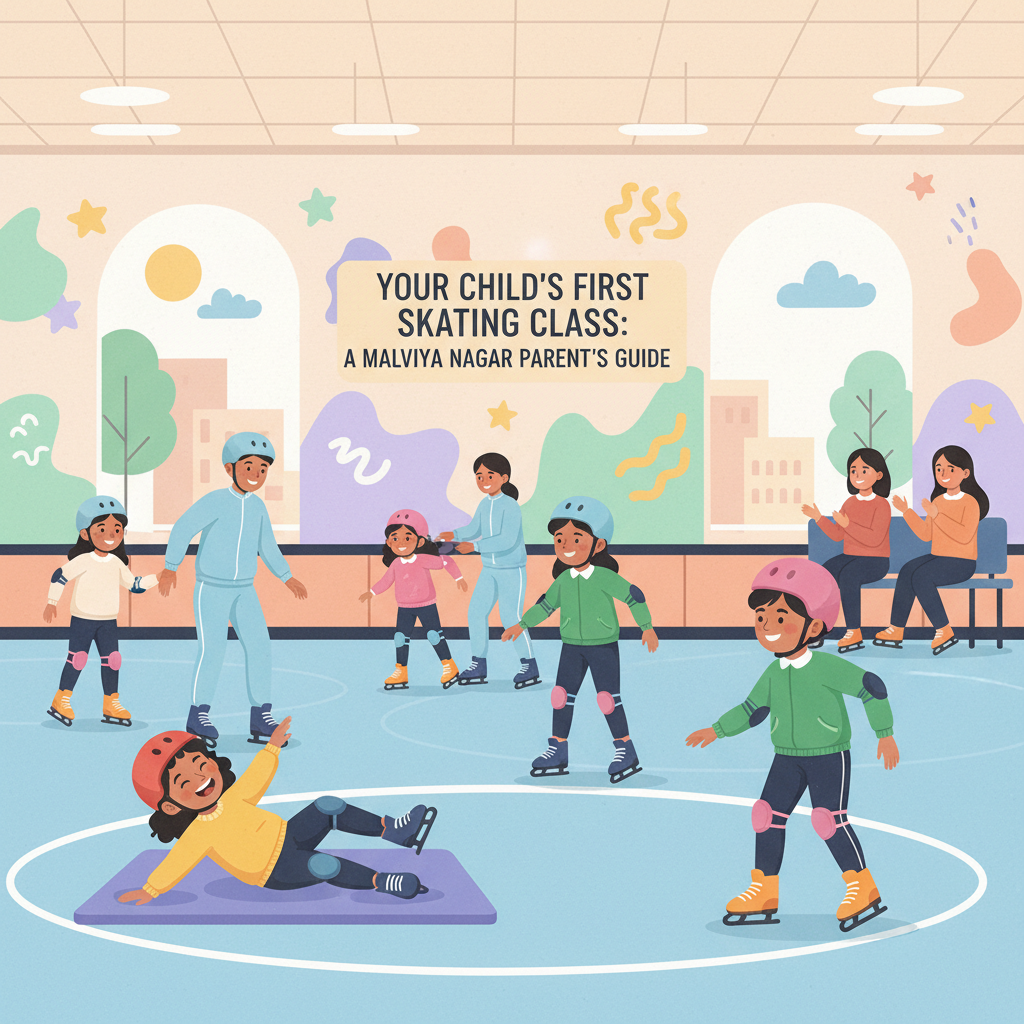
The idea of your child gliding gracefully on skates can be exciting, but the journey to get there often starts with a mix of anticipation and a few parental jitters! Whether you're in Malviya Nagar, Jawahar Nagar, or anywhere across Jaipur, introducing your child to a new activity like skating comes with questions. How do you prepare? What should you expect? And perhaps most importantly, how do you ensure they have a positive, safe, and fun experience?
Key Takeaways
- Preparation is key: Proper gear (helmet, pads, well-fitting skates) prevents injuries and builds confidence.
- Manage expectations: Progress in skating is gradual; focus on effort and small wins, not perfection.
- Handle anxiety gently: A consistent routine, clear communication, and a calm demeanor help ease separation worries.
- Observe for enjoyment: Look for smiles, enthusiasm to attend, and a willingness to practice as signs of a good fit.
- Find the right fit: A supportive, experienced coaching environment makes all the difference.
Getting Ready: Essential Gear & What to Wear
Before your child even steps onto the rink, the right equipment is paramount. This isn't just about safety; it's also about comfort and confidence. Ill-fitting gear can be distracting and even painful, making the experience less enjoyable.
The Non-Negotiables: Helmet, Pads, and Skates
- Helmet: This is the most crucial piece of safety equipment. Opt for a multi-sport helmet that fits snugly, covering the forehead without wobbling. A good fit means it stays in place even when your child shakes their head.
- Pads: Knee pads, elbow pads, and wrist guards are essential. Falls are inevitable when learning to skate, and these protect fragile joints and bones. Look for pads that are comfortable and don't restrict movement too much.
- Skates: Skates should fit well – snug but not tight, with enough room for toes to wiggle slightly. Avoid buying skates that are too big for them to 'grow into,' as this makes learning much harder and increases the risk of falls. Many places, including some excellent facilities in Malviya Nagar, offer rental skates initially, which can be a good way to test the waters before investing.
Clothing Choices for Comfort and Movement
Your child will be moving, sweating, and likely falling a few times. Choose clothing that allows for a full range of motion and provides a bit of cushioning.
- Layers: A comfortable t-shirt and track pants or leggings are ideal. In Jaipur's cooler months, a light jacket or sweatshirt might be useful, especially for indoor rinks.
- Socks: Thick, calf-length socks are a must to prevent blisters and add comfort inside the skates. Avoid short ankle socks.
- No baggy clothes: Loose clothing can get caught in wheels or create tripping hazards.
Navigating Separation Anxiety: A Gentle Approach
It's completely normal for children, especially younger ones, to experience some anxiety when starting a new activity without you. Parents in Malviya Nagar often share concerns about their child clinging to them or crying. This isn't a sign of weakness; it's a natural response to a new environment and unfamiliar faces.
Tips for a Smooth Transition
- Talk about it beforehand: Explain what will happen. "You'll put on your skates, the coach will help you, and I'll be right outside watching/waiting."
- Visit the facility: If possible, take your child to the skating rink beforehand to simply observe a class. This familiarizes them with the sounds, sights, and atmosphere.
- Establish a goodbye routine: A consistent, quick, and confident goodbye works wonders. A hug, a kiss, and a cheerful "Have fun! I'll see you soon!" is much better than a prolonged, tearful farewell.
- Trust the coaches: Good coaches are experienced in handling separation anxiety. They know how to engage children and provide comfort. Resist the urge to rush back in unless absolutely necessary.
- Be punctual for pick-up: Knowing you'll be there right when class ends helps build trust and reduces anxiety for the next session.
"Vinayak is thriving—thanks to the incredible foundation and care he received at Champions Studio! Thank you for always nurturing not just the children but also the trust of every family who walks through your doors."
Kartikeya R Sharma (parent of Vinayak)What Coaches Look For & Realistic Progress Timelines
When your child first steps into a skating class, especially in a structured environment like Champions Studio, coaches aren't expecting immediate Olympic-level talent. Their focus is on building fundamental skills and fostering a positive attitude.
Initial Focus of Coaches
- Safety first: Ensuring children understand how to fall safely and get back up.
- Balance: Learning to stand upright on skates without holding onto anything.
- Basic movement: Taking small, controlled steps, then gliding.
- Listening and following instructions: Crucial for group classes and safety.
- Enthusiasm: A willingness to try, even after a fall.
Realistic Timelines for Progress
Every child is different, but here's a general idea of what to expect:
| Timeframe | Typical Milestones (Beginner) | Parental Expectation |
|---|---|---|
| First 2-4 Classes | Getting comfortable on skates, standing independently, falling safely, getting up. | Focus on attendance & willingness to try. Don't expect much 'skating.' |
| 1-3 Months | Basic forward motion (shuffling/gliding), stopping (snowplow), maybe some backward movement. | Notice small improvements in balance and confidence. Celebrate effort. |
| 3-6 Months | More fluid forward skating, confident stopping, turning, building stamina. | They should be enjoying classes and showing visible progress in basic skills. |
| 6+ Months | Developing speed, control, more advanced turns, perhaps learning crossovers. | Consider if they want to pursue skating further or try other activities. |
A common question from Jaipur families is about how quickly their child will become proficient. Remember, the goal at this stage is participation, physical development, and enjoyment, not competitive mastery. Patience is your best friend here.
How to Tell If Your Child is Enjoying Skating
Ultimately, the success of any activity lies in whether your child genuinely enjoys it. You're investing time, effort, and resources (whether it's at a local rink or a dedicated facility near Tonk Road or Durgapura), so knowing if it's a good fit is important.
Signs of Enjoyment
- Excitement for class: Do they look forward to skating days? Do they talk about it positively?
- Smiling and laughing: Observe their demeanor during class. Are they engaged and having fun?
- Willingness to practice: Do they ask to go skating or voluntarily practice at home (even without skates)?
- Talking about their coach/friends: This indicates a positive social connection.
- Resilience to falls: Do they get up quickly after a fall and try again, rather than getting discouraged?
When to Re-evaluate
If your child consistently expresses dread for class, cries often, or seems disengaged even after several weeks, it might be time for a gentle conversation. Sometimes, a different coach, a different time slot, or even a break might be all that's needed. It's okay if an activity isn't the right fit; there are many other wonderful options for physical development.
✅ Your Pre-Enrolment Checklist for Skating
Research facilities: Look for experienced coaches and a safe environment (e.g., Champions Studio in C-Scheme, or their upcoming Malviya Nagar location).
Check class sizes: Smaller groups often mean more individualized attention.
Ask about trial classes: A trial class can be a great way for your child to experience it without full commitment.
Understand the gear requirements: Confirm what's needed and if rentals are available.
Consider logistics: How does the class schedule fit with your family's routine, especially with Jaipur's traffic?
FAQs for Jaipur Parents About Skating Classes
1. What's the best age to start skating lessons in Jaipur?
While some children start as young as 3 or 4, most instructors recommend starting between 5 and 7 years old. At this age, children typically have better balance, coordination, and the ability to follow instructions, making the learning process smoother and more enjoyable. However, it largely depends on the individual child's readiness and interest.
2. How much do skating classes typically cost in Malviya Nagar?
The cost of skating classes in Jaipur, including areas like Malviya Nagar and Pratap Nagar, can vary significantly based on the facility, class duration, frequency, and whether it's group or private lessons. Expect a range from ₹2000 to ₹8000 per month. Some centers, like Champions Studio, offer various packages that bundle activities or provide more frequent sessions, which can be more cost-effective if your child is keen on multiple pursuits.
3. My child is hesitant. Should I push them to continue?
It's natural for children to have moments of hesitation, especially with new challenges. Gentle encouragement is good, but pushing too hard can backfire. Try to understand the root cause of their hesitation. Is it fear of falling? Separation anxiety? Or simply a lack of interest? If it's a persistent aversion after several classes, it might be better to explore other activities rather than force one that causes distress.
4. Are indoor or outdoor rinks better for beginners in Jaipur?
For beginners, indoor rinks are generally preferred. They offer a controlled environment, free from weather distractions (like Jaipur's summer heat or monsoon rains), and often have smoother surfaces and better lighting. Indoor facilities also tend to have more structured classes and safety measures in place, which is ideal for foundational learning.
5. How often should my child attend skating classes for good progress?
For consistent progress, attending 2-3 sessions per week is often recommended. This frequency allows for skill reinforcement without overwhelming the child. Less frequent attendance might lead to slower progress as skills need to be re-learned each time. If your child is very enthusiastic, some facilities offer daily sessions or longer packages.
Introducing your child to skating can be a wonderful journey of physical development, discipline, and fun. With the right preparation, realistic expectations, and a supportive environment, your child can truly embrace the joy of gliding. If you're looking for a place that prioritizes holistic development and offers skating alongside a variety of other activities like swimming, basketball, and art, you might want to explore options like Champions Studio. They have an established club in C-Scheme and are bringing their unique approach to Malviya Nagar soon, offering diverse programs designed to nurture young talent. You can register your interest for their upcoming Malviya Nagar location to stay informed as they open their doors.